


Black vs. Brown
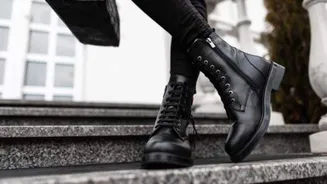
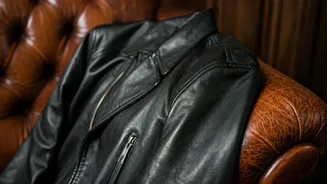
The debate between black and brown leather is a timeless one, with each shade offering unique aesthetic qualities. Black leather often exudes a sense of sleekness,
sophistication, and modernity. It's frequently associated with a polished look, suiting both formal and casual settings. It can be paired with almost anything, creating a streamlined, bold silhouette. On the other hand, brown leather brings forth a sense of warmth, earthiness, and vintage charm. Brown leather articles can project a rugged, relaxed appeal, often associated with a more casual style. The different shades of brown, from light tan to dark chocolate, allow for diverse styling possibilities. The choice ultimately depends on personal preference and the desired effect; both shades offer timeless appeal in different ways.
Classic Aesthetic Elements
Several elements contribute to the classic aesthetic of leather. The type of leather significantly influences its appearance and feel. Full-grain leather, known for its durability and natural characteristics, is often considered the pinnacle of quality, aging gracefully and developing a unique patina over time. The finish of the leather, such as a smooth, matte, or textured surface, further defines its aesthetic. Stitching details, including the type of thread, stitch density, and pattern, can elevate the look of a leather item, adding character and visual interest. Hardware, such as buckles, zippers, and rivets, also plays an important role. High-quality hardware adds to the overall value and can enhance the visual appeal. The color palette also defines the leather aesthetic, with classic hues like black, brown, and tan being consistently favored for their versatility and enduring style. All of these factors combined create a distinct and lasting aesthetic.
Choosing Right Pieces
Selecting the right leather pieces involves considering several aspects to match personal style and needs. Assess the purpose of the item to determine the appropriate type of leather. For example, a leather jacket might benefit from a more supple leather for comfort, while a bag might require a more robust leather for durability. Think about the style. A classic leather jacket can be a versatile wardrobe staple, appropriate for varied outfits. Look at the construction and details, paying attention to stitching, hardware, and overall finish. These elements indicate quality and impact the item's longevity. Also, think about the item's color; black and brown provide flexibility, whereas other shades can create statement looks. Consider the fit and comfort, ensuring that the leather item fits comfortably and complements the body shape. Make sure to assess how the item integrates with your existing wardrobe, ensuring it can seamlessly integrate with the other pieces. Quality leather items are an investment, so consider these factors to make a lasting choice.
Versatility and Value
Leather's versatility and enduring value make it a sought-after material in fashion. Leather items can transcend seasons and trends, easily adapting to different styles. A classic leather jacket can pair with a casual outfit or can be dressed up with a formal one. Leather accessories such as belts, wallets, and bags can add finishing touches. Leather's longevity also contributes to its value. With proper care, a high-quality leather item can last for decades, often aging gracefully. This durability makes leather a smart investment, as it outlives fast-fashion trends. The timeless appeal of leather, combined with its ability to adapt to a wide range of styles, further enhances its value. The ability to express individuality through color, texture, and style makes leather pieces a worthwhile investment.