


Skin Prep Pitfalls
A significant reason for makeup transforming into a cakey mess within hours often stems from inadequate skin preparation, especially concerning your local
climate. In warmer or more humid conditions, applying excessively rich moisturizers can create a dense layer that hinders foundation from adhering evenly. Similarly, sunscreens that leave a noticeable white residue or dry inconsistently on the skin can cause foundation to cling unevenly, preventing a smooth blend. Overlapping multiple skincare products before makeup, such as several serums and creams, can lead to product build-up. When more than two layers are present between your skin and foundation, the base struggles to find a stable grip and begins to separate as the day wears on, compromising the overall finish.
Foundation Formula Faux Pas
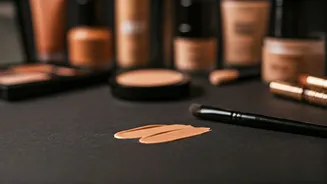
One of the primary contributors to a cakey makeup base is selecting a foundation finish that conflicts with your unique skin type. A recurring error involves using matte foundations on dry skin, while simultaneously opting for dewy, radiance-boosting formulas on oily skin. This often results in the exact opposite of the desired outcome. Dry skin typically accentuates texture and flakiness when paired with matte, powder-heavy foundations, as these formulas tend to cling to dry patches. Luminous foundations, conversely, are more effective as they allow the makeup to move naturally with the skin. Oily skin, on the other hand, benefits significantly from matte formulas that help control excess shine, unlike dewy foundations which can inadvertently stimulate more oil production.
Application Errors
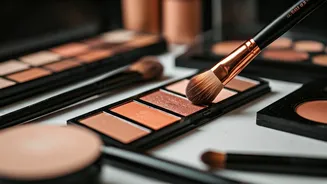
Even with the perfect foundation, incorrect application techniques can render it heavy and prone to cakiness. Applying foundation in thick layers prevents it from properly meld into the skin, increasing the likelihood of it settling into fine lines and texture. Inadequate blending is another significant issue. When foundation is swiped or dragged across the face rather than gently pressed or buffed in, it can accumulate unevenly around pores and creases. The choice of tools is also crucial; dense brushes, sponges, or even fingers each distribute product differently, and using the wrong tool for a specific formula can lead to patchy coverage. It's best to prioritize thin, buildable layers, starting with a minimal amount and adding coverage only where necessary to achieve a natural, lived-in appearance.
Setting Spray Solutions
The overuse of setting powder is a common mistake that leads to makeup appearing cracked and textured. Techniques like 'baking,' which involves leaving a thick layer of loose powder on the skin before brushing it off, can quickly make the makeup look heavy, particularly in delicate areas such as under the eyes. Instead of effectively setting makeup in place, this excessive powder often causes the foundation to dry out and separate. A more effective approach is to apply powder sparingly, focusing only on areas prone to shine, typically the T-zone. A light dusting is usually sufficient to control oil without making the complexion look flat. Complementing powder with a setting spray can also help reintroduce a fresh, natural finish to the skin.