
The Chunky Origins
The fashion world's fascination with chunky styles is not a new phenomenon; the trend has roots in various historical periods. The 1990s witnessed the initial
rise of chunky elements, characterized by oversized silhouettes, platform shoes, and bold accessories. This era marked a shift towards a more relaxed and expressive fashion, where comfort and statement pieces converged. Designers experimented with exaggerated proportions and textures, leading to the creation of iconic pieces that have significantly influenced contemporary fashion. This period saw the embracing of styles that departed from the more streamlined aesthetics of prior decades. The aesthetic was a response to the trends and offered a contrasting alternative, helping define the decade’s distinct style.
Modern Interpretations Emerge
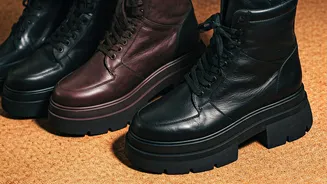
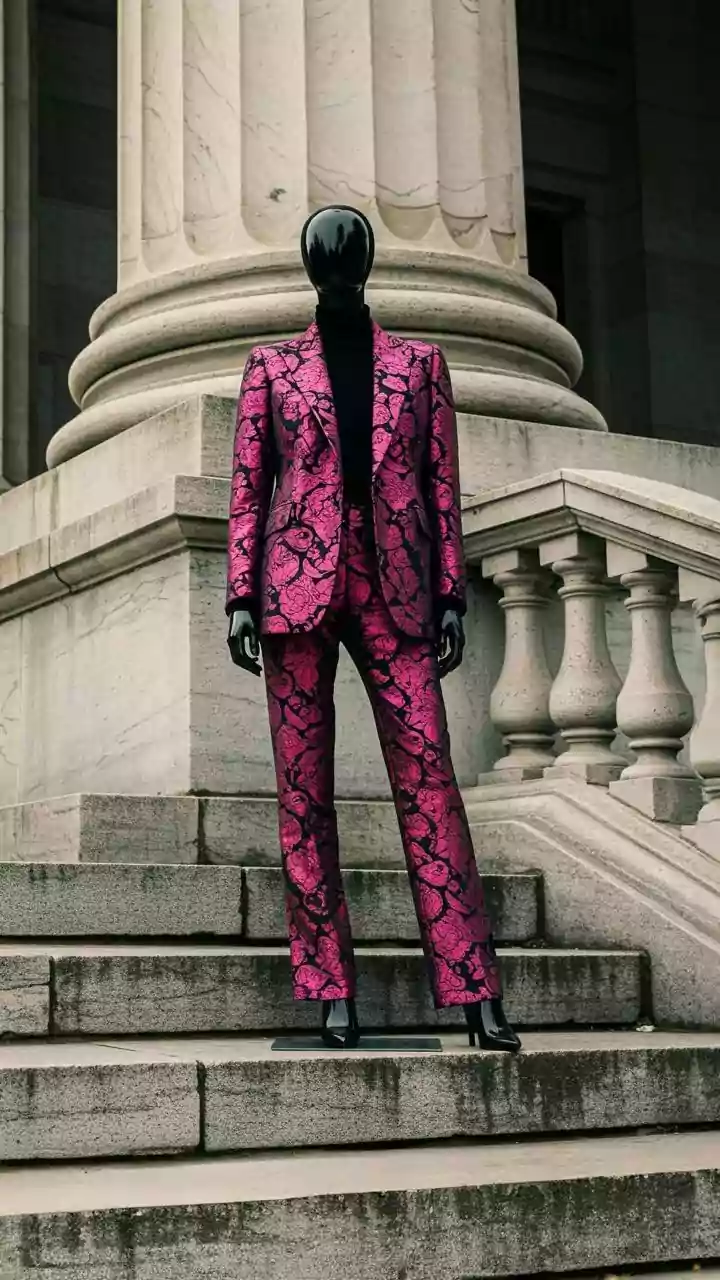
Today’s chunky fashion scene sees a modern transformation of past trends, reflecting current preferences. The modern take embraces new materials, designs, and styling approaches. Designers incorporate chunky elements into a variety of looks, from chunky sneakers to bold jewelry and wide-leg trousers. The emphasis is on creating a sense of balance and sophistication. Instead of solely relying on bold statements, contemporary chunky styles integrate these elements with refined tailoring and muted colors to create a polished aesthetic. This approach makes chunky pieces more versatile and wearable, appealing to a wider demographic. The use of innovative fabrics and construction techniques is also becoming prominent, pushing the boundaries of what is considered ‘chunky’ fashion.
Celebrity Influence Amplifies
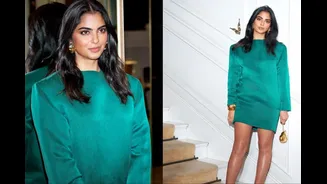
Celebrity endorsements are important catalysts for the resurgence of chunky fashion. High-profile figures, known for influencing trends, are increasingly seen wearing chunky pieces, driving their popularity. Their choices, from the red carpet to social media, help to showcase how chunky elements can be integrated into various styles. As celebrities are frequently photographed wearing chunky footwear, accessories, and clothing, the fashion quickly gains visibility. This exposure generates a sense of aspirational appeal, inspiring fans to explore these styles. This constant promotion helps to cement the trend's staying power and ensures that it remains at the forefront of the fashion conversation. Fashion houses often capitalize on this momentum, collaborating with celebrities to create collections that amplify the chunky aesthetic.
Chunky Style Versatility
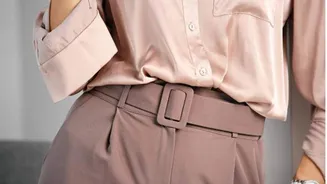
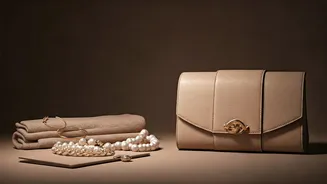
One of the reasons for the continued success of the chunky aesthetic is its versatility. Designers have integrated chunky elements into diverse styles, from casual wear to formal attire. Chunky sneakers are paired with everything from jeans and tees to skirts and dresses, while chunky jewelry can add a bold finish to an evening look. This adaptability has allowed the chunky trend to transcend specific subcultures and become mainstream. Individuals can incorporate chunky elements into their personal style in ways that complement their unique tastes and preferences. The key is in the layering and coordination to ensure that the chunky pieces enhance the overall look instead of overwhelming it. Whether it is adding a thick belt to cinch a waist or choosing a statement bag, this adaptability makes the chunky style a go-to choice.
The Future of Chunky
The chunky trend’s future looks promising, with many factors supporting its long-term appeal. The emphasis on individuality and self-expression within fashion ensures that styles which allow for personalization remain important. As the fashion industry embraces sustainability and inclusivity, chunky styles, which can be adapted to various body types and personal preferences, will likely continue to evolve. Designers will continue to push the boundaries, experimenting with new materials, technologies, and designs. Collaborations between fashion houses and artists or other influencers can introduce new perspectives and ensure that the chunky aesthetic stays fresh. The trend's ongoing success will depend on its capacity to evolve and adapt to shifts within the fashion landscape, embracing innovation and meeting the changing needs of consumers.