




Innate Goodness: A Child's Natural State
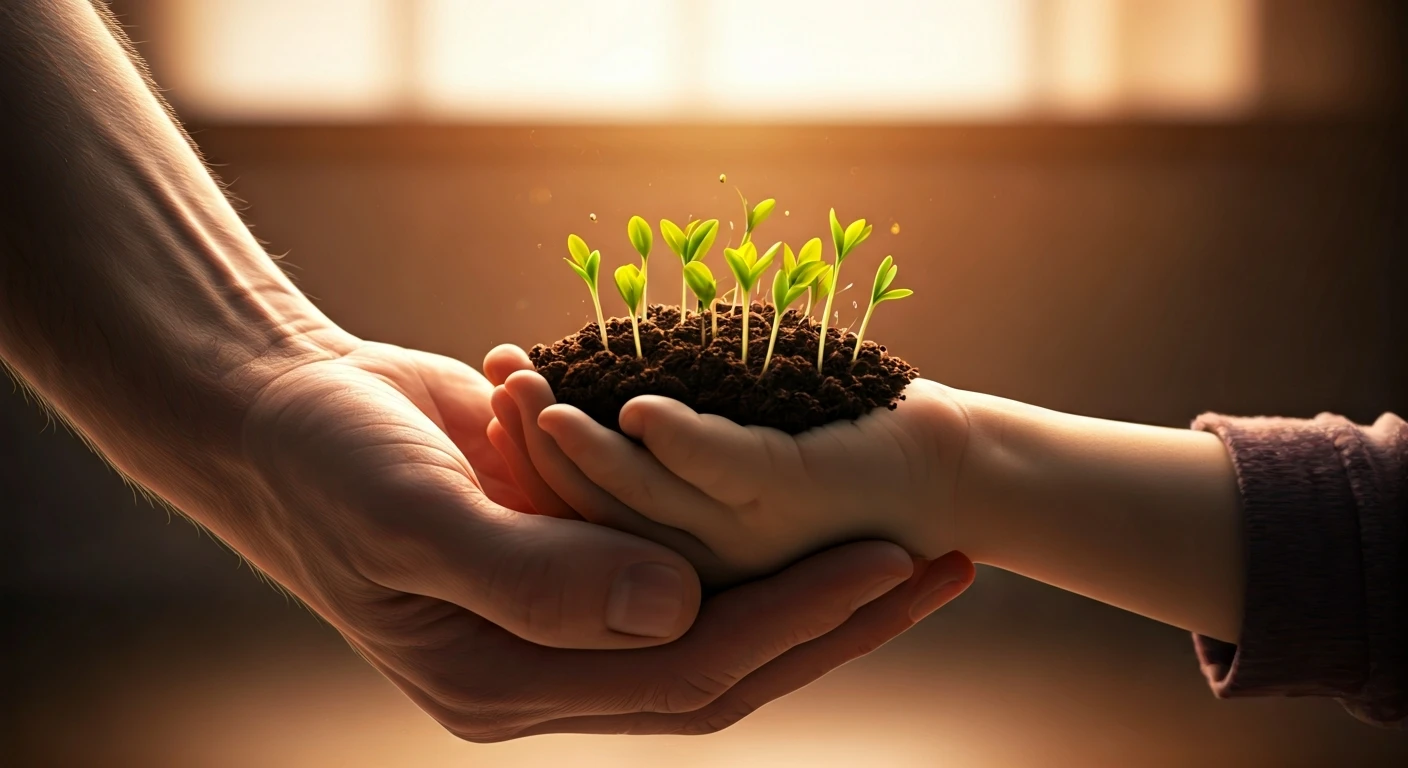
Children arrive in the world with an inherent purity, devoid of prejudice or animosity. Observe a young child, and you'll witness effortless smiles, quick
forgiveness even after moments of anger, and a natural inclination to share. These beautiful traits aren't instilled through direct instruction; rather, they emerge organically from a baby's core character, which is free from the contamination of negative emotions from the very start. This foundational goodness is a testament to our innate capacity for positive connections and empathy before the complexities of the external world begin to influence them.
The Learned Nature of Negativity
The notion that 'hate is taught' extends beyond explicit lessons; it encompasses the subtle yet powerful influence of a child's surroundings. When children witness judgmental remarks, observe parents reacting with anger, or are exposed to constant negativity, they begin to internalize these behaviors as acceptable. This learning process isn't always overt. It can be through comparisons made, labels assigned, or the general atmosphere of criticism that permeates their environment. These observations shape their understanding of how to interact with the world and others, inadvertently teaching them to adopt negative emotional responses.
Cultivating Love and Respect
Fostering an environment built on trust and love is paramount for a child's emotional well-being. When children feel heard and genuinely respected, they are more likely to retain their innate ability to love and show compassion. Such an atmosphere allows them to navigate their emotions constructively, learning to manage them effectively without suppression. In the whirlwind of modern life, it's easy for parents to overlook the profound influence their actions have. This understanding serves as a crucial reminder to pause, reflect, and realign parenting strategies to nurture this inherent positive disposition in their children.