






Know Thyself Academically
Before you even think about the meeting, take some quiet time to really look at how you've been doing in school. Think about what subjects you've found
easy and where you've really impressed yourself. Also, consider the areas where you might need a little more help or practice. Asking yourself questions like, 'What am I good at?' and 'What could I do better?' helps you take ownership of your learning journey. This kind of self-assessment makes it easier to understand what your teacher will be discussing and builds a strong sense of personal accountability for your academic performance. It's all about understanding your own strengths and areas for development, making you an active participant in your own education rather than just a passive recipient of information during the PTM.
Tidy Up Your Schoolwork
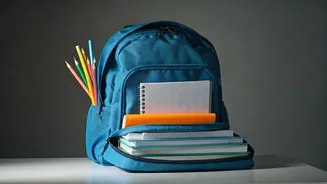
Getting your school materials in order is a super practical step that makes a big difference. Gather all your notebooks, completed assignments, and any other school-related papers. This not only shows your teacher and parents that you're organized and serious about your studies, but it also means you can quickly pull out examples of your work if needed. Going through your organized materials can also highlight any mistakes you might have made or areas where you struggled, giving you insights into specific challenges. This act of tidying up isn't just about neatness; it's about developing discipline and being prepared to demonstrate your efforts, making the PTM a more productive discussion about your actual work.
Listen Up, Speak Up
Parent-teacher meetings shouldn't be a scary event. Think of them as a conversation where you get to listen to what your teachers observe and, if you feel comfortable, share your own thoughts. It's important to be open to hearing feedback, even if it points out things you need to work on. Accepting constructive criticism gracefully is a sign of maturity. At the same time, don't be afraid to voice your opinions politely. If there's a subject you particularly enjoy or one that you find challenging, sharing this with your teacher can provide valuable context for your performance. This two-way communication builds confidence and strengthens your relationship with your educators.
Set Your Sights High
Remember that a PTM is fundamentally a positive space designed to help you grow. Instead of feeling anxious, view it as an excellent opportunity to learn more about yourself and how you can improve. Being receptive to your teacher's feedback, including suggestions for improvement, is key. It shows you're committed to developing. Alongside this, consider setting personal goals for yourself based on the discussions. Perhaps you want to focus more on a specific subject, improve your classroom participation, or develop better study habits. Having clear goals in mind makes the PTM more than just a report; it becomes a roadmap for your future success and personal development.
Embrace the Opportunity
It's perfectly normal to feel a bit nervous before a parent-teacher meeting, but try not to let those jitters overshadow the benefits. The PTM is a fantastic chance to have a constructive conversation about your academic journey. Everyone has areas where they can improve, and recognizing this is a sign of strength, not weakness. Approaching the meeting with a positive outlook, understanding that it's a collaborative effort to support your education, will make the experience much more rewarding. View it as a chance to celebrate your achievements and identify pathways for further growth, reinforcing your confidence and your commitment to learning.