



A Drape Rooted in Tradition
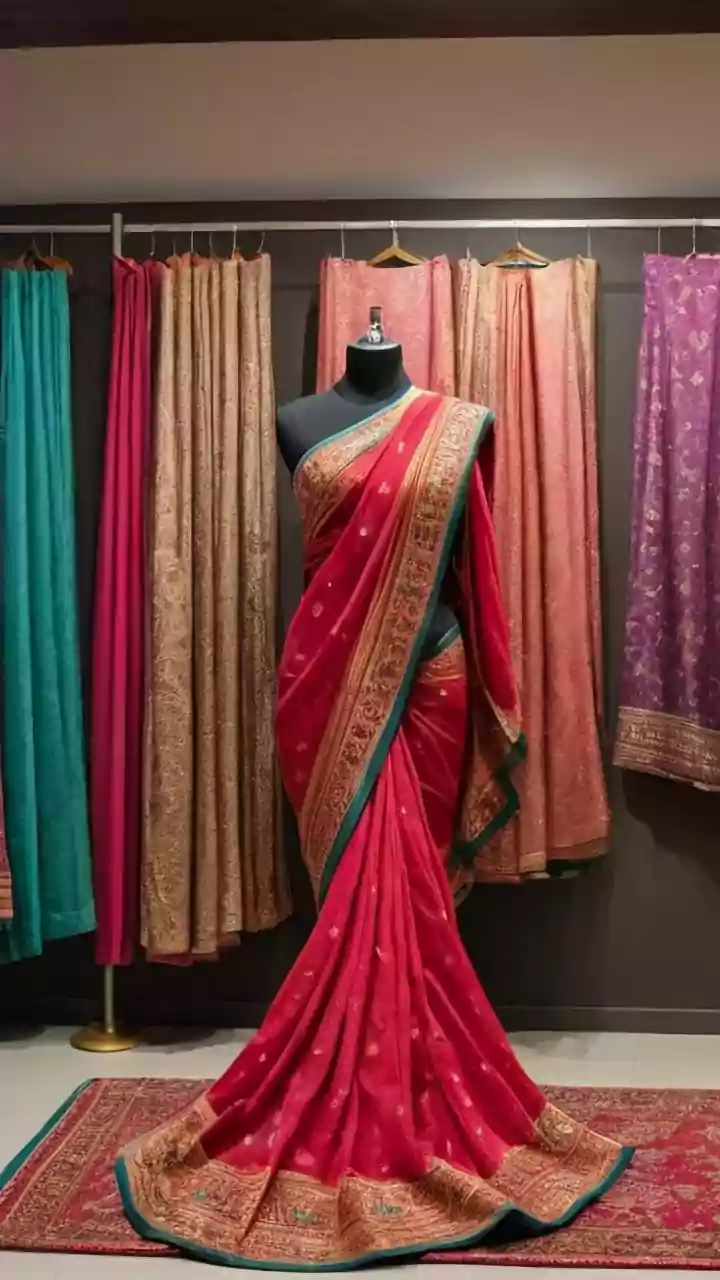
The Coorgi saree drape, also known as the Kodava drape, is a distinctive style observed in Mandanna's hometown of Kodagu. Unlike the common method where
the pallu flows over the left shoulder, this traditional form involves wrapping the fabric around the body and securing the pallu over the right shoulder. This technique lends the saree a structured, elegant appearance while ensuring practicality and ease of movement. It stands out among Karnataka's various saree styles, reflecting the grounded and strong character of the Kodava people. The drape’s unique front-falling pallu and neat knot at the back are not merely stylistic choices but are imbued with meaning and represent a strong sense of identity.
Mythological Threads Woven In
The origins of the Coorgi drape are intertwined with ancient myths and deeply held traditions. One prominent legend speaks of Goddess Kaveri, believed to be the wife of Sage Agastya, who transformed into the Kaveri River to nurture the land and its inhabitants. It is said that the river's powerful flow pushed her saree pleats backward, creating a unique falling pattern. This captivating imagery is thought to be the inspiration behind the distinct Coorgi drape, with its pleats falling in the opposite direction. Over time, this visual characteristic evolved beyond mere aesthetic difference, becoming a significant cultural emblem that subtly evokes Kaveri's strength, grace, and life-giving essence, forging a profound connection between the drape, the land, and its mythology.
Practicality for a Warrior Spirit
The Kodava community's historical association with a martial lifestyle also influenced the design and wearability of the Coorgi saree drape. The style was meticulously crafted to facilitate unrestricted movement, allowing women to go about their daily activities with comfort and freedom. Whether engaged in tending coffee plantations, preparing meals, or participating in community celebrations, the drape ensured that women were neither hindered nor inconvenienced by their attire. This emphasis on functionality underscores the drape's role in supporting the active and resilient lifestyle characteristic of the Kodava people, blending tradition with everyday practicality.