






What is Trichoderma?
Trichoderma refers to a diverse group of beneficial fungi naturally present in soils worldwide, often referred to as 'friendly fungi' due to their symbiotic
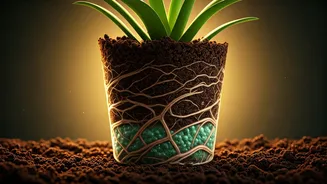
relationship with plant roots. Unlike detrimental fungi that can harm plant structures, Trichoderma actively supports plant roots by offering a robust biological defense against pathogens. This symbiotic action also significantly contributes to improved plant development. Consequently, organic growers and home gardeners widely adopt Trichoderma as an effective tool. It efficiently colonizes the rhizosphere, the crucial soil zone surrounding plant roots influenced by root secretions, fostering a thriving and nutrient-rich environment essential for plant vitality.
Guard Against Root Rot
A primary benefit of introducing Trichoderma to your plants is its function as a biological fungicide. Specifically, strains like Trichoderma harzianum (such as the T-22 strain) actively defend against root rot by actively preying on and consuming harmful pathogenic fungi, including Pythium and Rhizoctonia. This process is known as mycoparasitism. For home use, applying Trichoderma as a soil drench or by mixing it directly into potting soil is the most effective method. This proactive application ensures the beneficial fungi are established within the rhizosphere before pathogens can inflict damage, creating a protective barrier around the plant roots. Furthermore, Trichoderma serves as an effective biostimulant. Studies, including one published in the indicated that ornamental plants treated with Trichoderma asperellum exhibited increased dry weights and higher chlorophyll content compared to untreated counterparts. This means your indoor plants not only remain healthy but also display accelerated growth and a richer green hue. Research suggests Trichoderma actively assists plants in making soil nutrients more accessible, or 'solubilising' them, allowing roots to absorb minerals that might otherwise be out of reach.
Application Methods
Integrating Trichoderma into your plant care routine is straightforward. When preparing new plants, a root soak for 10-15 minutes in a slurry mixture of Trichoderma powder (one part powder to ten parts water) can significantly ease their transition to a new environment, mitigating transplanting shock. For conditioning existing or new potting soil, ensure the Trichoderma powder is thoroughly mixed into dry or slightly damp soil before planting. A light watering afterwards will help settle the mixture. To maintain a consistent presence of this beneficial fungus, reapply Trichoderma every four to six weeks. This can be done via a high-volume 'drench' applied to the soil surface, ensuring the fungus remains active in the root zone of potted plants.
Cultivating Trichoderma
For Trichoderma to thrive and effectively protect your indoor plants, it requires a conducive environment. This beneficial fungus flourishes in soil conditions that maintain adequate moisture levels and specific temperatures, ideally between 68°F and 86°F (20°C to 30°C). If you're incorporating Trichoderma as a soil amendment, ensuring the soil's temperature and pH are within a favorable range is crucial for its growth. Crucially, to prevent harming the Trichoderma population, avoid using any chemical fungicides for at least 7 to 10 days following its application. Research indicates that Trichoderma species exhibit optimal growth in environments rich in organic matter, such as compost and coco-peat. This organic material provides the essential energy source the fungus needs to establish and proliferate effectively.