







Festival Sparks Controversy
An event inspired by Spain's famous tomato-throwing festival, La Tomatina, is set to launch in Gurugram on May 16, 2026. While intended to be an exhilarating
experience, details shared on platforms like BookMyShow have triggered widespread apprehension among the public. Concerns are not just limited to the fun aspect but extend to critical issues like attendee safety, the overall hygiene of the venue, and the considerable environmental impact of food wastage. Social media has become a hub for these discussions, with many expressing doubts about the practicality and wisdom of hosting such an event in the prevailing conditions, particularly for an age group starting from 12 years old, suggesting a lack of foresight from the organizers regarding potential negative consequences.
Safety and Hygiene Woes
The planned outdoor nature of La Tomatina 2026 in Gurugram, coupled with the region's intense summer heat, has amplified worries regarding participant safety and venue cleanliness. Discussions on social media platforms highlight potential hazards such as slippery surfaces resulting from the thrown tomatoes, posing a risk of falls and injuries, especially for younger attendees. Beyond physical risks, there are significant apprehensions about the general state of hygiene during and after the event, with many envisioning a messy and unsanitary environment. Furthermore, some individuals have voiced concern about the international perception of such an event, fearing it could lead to negative stereotyping and exacerbate existing prejudices against India if videos of the festival go viral globally, underscoring a potential reputational risk alongside immediate safety concerns.
The Food Waste Dilemma
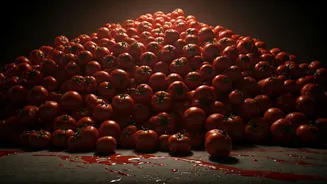
The core activity of throwing tomatoes for entertainment has ignited a passionate debate about food wastage, particularly within a country where equitable food distribution remains a pressing issue. Critics argue that utilizing tons of edible produce for a brief, recreational purpose is ethically questionable and irresponsible, especially when many face food insecurity. The act of discarding perfectly good (even if overripe) tomatoes is seen as a stark contrast to the daily struggles of those lacking basic sustenance. Moreover, the logistical challenges of managing decaying food in an outdoor, summer setting add another layer of concern, with potential for attracting pests and creating unsanitary conditions. This perspective emphasizes the disconnect between frivolous consumption and the critical need for food conservation and accessibility.