
Fashion's Creative Canvas
Fashion, much like any art form, is deeply intertwined with creativity. From the initial spark of an idea to the final garment, it is a process of translating
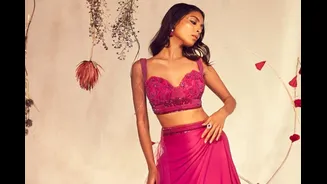
imagination into tangible form. Designers draw inspiration from various sources, including art, nature, culture, and personal experiences. They meticulously craft collections that often reflect contemporary social trends or even challenge traditional norms. The fashion industry encourages individuals to experiment and discover their unique style. It provides a means to express individuality and self-discovery through carefully chosen outfits. The creative process is a constant cycle of inspiration, design, production, and presentation, driving the ever-changing landscape of fashion.
Trendsetters and Influences
The fashion world is heavily influenced by trendsetters and various cultural phenomena. Celebrities, influencers, and street style play significant roles in shaping what's considered fashionable. Social media platforms have further accelerated this process, enabling trends to spread globally at an unprecedented rate. Each season brings new collections from leading fashion houses, which heavily influence consumer choices. These collections, along with street style, music, and art, all converge to inform and guide fashion trends. It is important to remember that fashion is cyclical; what was once considered out-of-style may resurface years later, reinvented for a new audience. The industry constantly evolves, with designers and consumers constantly seeking fresh and innovative styles.
Building Your Style
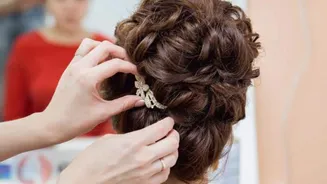
Developing a personal style is an important part of exploring fashion. This is achieved by understanding what resonates with you and what you feel confident wearing. This journey begins with self-awareness: assessing your body shape, lifestyle, and preferences. Experimenting with different styles and silhouettes helps define your taste. Incorporating pieces that reflect your personality adds authenticity. This can be achieved through understanding colors, patterns, and fabric textures. Building a wardrobe of versatile basics that can be mixed and matched is essential for creating multiple outfits. Accessories play a critical role, as they can elevate any look and reflect personal taste. Personal style should evolve over time as you experiment with new trends and adapt to changes.
Sustainable Fashion Ethics
In recent years, the fashion industry has faced increased scrutiny concerning its environmental and social impact. This has led to a growing emphasis on sustainable practices and ethical production. This includes reducing waste, using eco-friendly materials, and ensuring fair labor practices throughout the supply chain. Consumers are becoming more aware of these issues and are actively seeking brands committed to sustainability. The fashion industry must adapt and embrace circular models, promote transparency, and invest in innovation to promote lasting environmental and social responsibility. This shift is crucial for preserving the planet while also providing consumers with ethically-sourced fashion.
The Future of Fashion
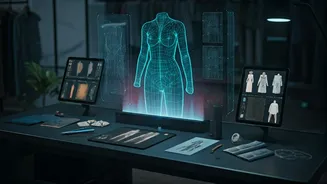
The future of fashion is likely to embrace technology and inclusivity more than ever. Digital fashion, virtual try-ons, and personalized shopping experiences will become common. Advancements in materials science will lead to innovative fabrics, allowing for greater comfort and function. Inclusivity will continue to be a significant focus, with the fashion world becoming more representative of all body types, ethnicities, and gender identities. This involves diversifying models, designers, and marketing campaigns. The industry must prioritize accessibility and cater to a wider range of customers. Collaborations between fashion and technology, such as wearable technology and artificial intelligence, are also expected to play a bigger role in shaping the future of fashion.