
Introduction: Steaming Traditions
Steaming, a cooking method that has been a significant part of Indian culinary traditions for ages, stands as a testament to the country's diverse and healthful
food culture. This technique involves cooking food in steam, which is created by boiling water, allowing the food to cook gently without direct contact with the water. The method maintains the food's moisture, ensuring the preservation of essential nutrients and offering a light, easily digestible meal. Indian cuisine, with its rich assortment of dishes, features steamed options that reflect both regional tastes and health-conscious choices. This culinary method is not only a technique for preserving the natural flavors but also promotes healthy eating practices. The upcoming sections will delve into ten popular, steamed Indian breakfast dishes, exploring their origins, ingredients, and the methods used in their preparation. These breakfasts exemplify how Indian cuisine melds taste and well-being, providing a wholesome and nourishing start to one's day.
Idli: South Indian Staple
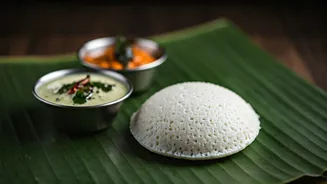
Idli, a steamed rice cake, holds a prominent position in South Indian cuisine, celebrated for its light and fluffy texture. This popular breakfast dish is made from a fermented batter of rice and urad dal (black lentils). The fermentation process gives the idli its characteristic tang and makes it easier to digest. To prepare idli, the batter is poured into molds and steamed, resulting in soft, round cakes. Often served with sambar (a lentil-based vegetable stew) and coconut chutney, idli is a complete meal, providing carbohydrates, protein, and fiber. Its simplicity and nutritional value make it a favorite across all age groups and a staple in many South Indian households. Idli exemplifies how simple ingredients can come together to create a wholesome, satisfying, and culturally significant breakfast option.
Dhokla: Gujarati Delight
Dhokla, a beloved Gujarati snack and breakfast, is a steamed savory cake known for its spongy texture and slightly tangy flavor. It is prepared from a fermented batter, typically made from gram flour (besan), semolina, and spices like ginger, chilies, and turmeric. The fermentation process is critical, as it contributes to the lightness and the characteristic sour taste. Dhokla is steamed until it becomes light and airy. The cooked dhokla is often tempered with mustard seeds, curry leaves, and sometimes a sweet and sour chutney, enhancing the flavors. This breakfast item is not just popular in Gujarat but also in various parts of India, appreciated for its taste and suitability as a light, easily digestible meal. The dish demonstrates the versatility of Indian cuisine, offering a flavor-rich and nutritious breakfast.
Khaman: Another Gujarati Favorite
Khaman is another popular Gujarati snack and breakfast that shares similarities with dhokla. It is a steamed, savory cake made primarily from gram flour (besan). The preparation involves fermenting the batter and then steaming it until it becomes light and fluffy. However, khaman is distinguished by its slightly different texture and flavoring. It is often seasoned with a blend of spices, including mustard seeds, green chilies, and asafoetida. The tempering of khaman, similar to dhokla, uses mustard seeds, curry leaves, and often includes the addition of grated coconut and chopped coriander. This dish, like dhokla, is not only popular in Gujarat but also enjoys widespread appreciation across India. Both dhokla and khaman emphasize the use of fermentation and steaming to offer light and flavorful options suitable for a nutritious breakfast.
Puttu: Kerala's Breakfast Staple
Puttu, a steamed cylindrical cake made from rice flour and grated coconut, is a traditional breakfast dish from Kerala. The dish consists of layers of steamed rice flour and coconut, creating a distinctive texture and taste. The preparation involves layering these ingredients in a puttu kutti (a special steamer) or using bamboo stems to give it its unique cylindrical shape. Steaming is the key to cooking puttu, resulting in a soft, fluffy texture. Typically, puttu is served with kadala curry (black chickpea curry), or with banana and sugar. Puttu's simplicity and the balance of flavors make it a favorite breakfast in Kerala. This breakfast highlights Kerala's unique culinary heritage, which focuses on fresh ingredients and straightforward cooking methods.
Modak: Maharashtrian Sweet Treat
Modak is a sweet dumpling, primarily associated with the state of Maharashtra, traditionally prepared and offered during the Ganesh Chaturthi festival. This delightful treat is made from rice flour dough that is filled with a mixture of grated coconut, jaggery, and other aromatic spices like cardamom. The dough is shaped into small dumplings and then steamed until cooked. The steaming process ensures that the filling is soft and the outer shell becomes tender. Modak can be enjoyed both as a sweet treat and as a breakfast item. Its connection to religious festivities makes it more than just a dish; it is a symbol of culture and tradition, with its sweet taste and unique presentation.
Idiyappam: String Hopper Delight
Idiyappam, also known as string hoppers, is a popular breakfast dish in South India and Sri Lanka. These delicate, noodle-like strands are made from rice flour, which is steamed until soft and fluffy. The rice flour dough is pressed through a sieve to create thin strands, which are then steamed, creating a light and airy texture. Idiyappam is usually served with vegetable stew, or with sweetened coconut milk. The preparation method and the lightness of the dish make it a versatile breakfast choice. The dish highlights the skill of Indian culinary practices and the appreciation of simple yet flavorful breakfasts.
Momos: Himalayan Influence
Momos, steamed dumplings that have their origins in Tibet and Nepal, are also a popular breakfast item in many parts of India, particularly in the northern and northeastern regions. These dumplings are made from a simple dough, filled with a savory mixture of vegetables or minced meat that is seasoned with spices. They are traditionally steamed in a specialized momo steamer, which allows them to cook evenly. The steaming preserves the juicy filling and provides a light meal. Momos are usually served with a spicy tomato-based chutney. Their popularity reflects a cross-cultural culinary exchange, blending Himalayan flavors with Indian taste preferences, offering a unique and tasty breakfast option.
Vada: Savory Fried Treat
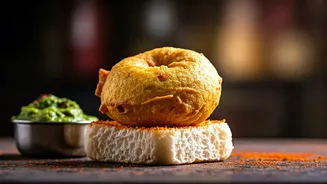
Vada, a savory, deep-fried fritter made from various lentils and spices, is a popular breakfast and snack across South India. Though not steamed, it deserves a mention as a companion breakfast food often eaten with other steamed dishes like idli. It is made from a batter of soaked and ground lentils, mixed with spices and herbs and then deep-fried until golden and crispy on the outside, and soft inside. Vadas can be round, doughnut-shaped, or of different shapes depending on the region and the ingredients used. Served with sambar and chutney, vada provides a combination of textures and flavors. It provides a filling breakfast, balancing fried and steamed foods, to provide a satisfying meal.
Poha: Flattened Rice Breakfast
Poha, made from flattened rice, is a common breakfast dish throughout India, particularly in Maharashtra and Madhya Pradesh. Though not entirely steamed, the cooking method involves steaming the flattened rice to soften it and absorb the flavors. The flattened rice is rinsed and then tempered with mustard seeds, curry leaves, onions, and spices. It's often garnished with coriander and lemon juice. The light cooking process preserves the nutrients in the rice, making it a healthy and easily digestible option. It is a quick and versatile breakfast option, reflecting regional variations. Poha exemplifies how simple ingredients can be transformed into a delicious and healthful meal, loved across India.