






Suit's Rise in India
The power suit, historically a symbol of corporate authority, is undergoing a transformation within India's fashion landscape. No longer confined to the
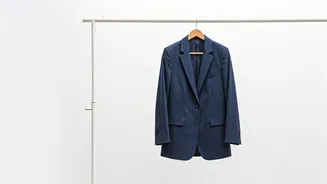
strict formality of boardrooms, the suit has evolved to fit a broader range of settings. Initially, power suits in India were perceived as strictly professional attire. However, contemporary designers and style influencers have reimagined the suit, introducing new silhouettes, fabrics, and styling options. This evolution reflects changing attitudes towards workwear and a growing desire for fashion that seamlessly blends professionalism and personal expression. The Indian woman's power suit now serves as a versatile garment, appropriate not just for formal work environments, but also for social gatherings and even relaxed weekend events.
Reimagining the Power Suit
The shift in how Indian women perceive the power suit is significant. Traditional tailoring, often associated with structured blazers and matching trousers, is being updated with softer lines and more creative designs. The introduction of vibrant colours, bold patterns, and diverse fabrics has expanded the suit's aesthetic appeal. Consider linen suits for warmer climates or velvet for evening events. These suits now reflect individual style and personality. Modern power suits are designed with adaptability in mind, allowing wearers to mix and match separates to create various looks. This adaptability encourages personal expression and makes the power suit a foundational item in a versatile wardrobe. This approach to suits allows women to adapt their style from one setting to the next, embracing both work and personal lives.
Workwear's Evolution
The modern power suit in India represents more than just a fashion statement; it symbolizes a shift in the definition of workwear. As workplaces become less rigid in their dress codes, power suits have adapted. The suit helps women to create a balance between professionalism and personal expression. Designers now focus on the needs of the modern Indian woman, creating suits that are comfortable, stylish, and suitable for a variety of occasions. This new approach to work attire acknowledges the multi-faceted roles that women play in society. This change in workwear norms is especially noticeable in the corporate sector, where suits are often paired with more casual pieces like sneakers or statement accessories. It encourages individuality, allowing women to present themselves authentically.
From Boardroom to Brunch
The versatility of the Indian woman's power suit is a key element of its widespread appeal. The same suit that commands respect in a boardroom can also transition seamlessly to a brunch setting with the right styling. By swapping a formal button-down shirt for a silk camisole or a simple tee, and changing heels for flats, the suit adopts a completely new character. This adaptability allows women to manage their schedules with greater ease, providing a wardrobe solution that works across different activities. Accessories play a vital role in this transformation. The addition of a vibrant scarf, bold jewellery, or a stylish handbag can drastically alter the suit's look. The power suit's ability to evolve with minimal changes underscores its adaptability and lasting value in a contemporary wardrobe.
Empowering Women
The power suit's transformation in India has significant implications for female empowerment. It is no longer just a garment, but a symbol of professionalism, confidence, and authority. By embracing the power suit, women are able to assert their presence in professional spaces while still honoring their personal style. This is especially significant in a society where traditional gender roles have influenced the perception of women in business. This trend is a clear indicator of the increasing influence of Indian women in various fields. The power suit becomes a tool for self-expression and an important element in creating an equal playing field. By choosing to wear the power suit, women are not just adopting a particular style, but actively redefining it.