







Clothing as Psychological Shield
It's common to view fashion as superficial, a mere obsession with fleeting trends or vanity. However, visionary photographer Bill Cunningham understood
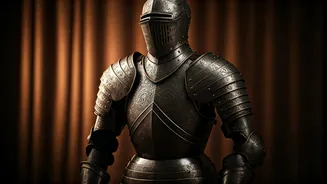
its deeper role as a crucial psychological defense. Just as physical armor protects a soldier from harm, a thoughtfully chosen outfit acts as an emotional and mental barrier. This creates a distinct boundary, shielding our vulnerable inner selves from the unpredictable external world. The act of dressing in the right attire can significantly alter one's mindset, leading to a more confident posture and projecting an image of composure, even amidst internal stress or anxiety. Modern psychology even supports this notion through the concept of 'enclothed cognition,' suggesting that the clothes we wear directly influence our mood, cognitive functions, and overall performance throughout the day, allowing us to embody the characteristics of our chosen garments.
The Street: A Democratic Runway
To truly appreciate Bill Cunningham's famous quote, one must understand his perspective as a person. Far from being an exclusive fashion elite, Cunningham was a beloved New York City figure, recognized for his bicycle-borne explorations and candid photography of everyday people. He championed a style philosophy that was accessible to all, finding inspiration not in high-fashion designer showrooms, but on the bustling city sidewalks. His lens treated everyone with equal respect, whether a wealthy socialite or an unconventional youth. For Cunningham, the streets were the only true runway, a place where genuine style was on display for everyone to see and appreciate, irrespective of social standing or economic status.
Creativity Transcends Cost
In an era often dominated by a fixation on luxury brands and designer labels, Cunningham's personal ethos remains remarkably refreshing. He led a deliberately simple life, his typical daily attire consisting of an inexpensive, functional blue jacket—originally designed for French street cleaners. He firmly believed that genuine creativity far outweighed the importance of an expensive price tag. In his memoir, 'Fashion Climbing,' he expressed disbelief that wealth automatically equates to good taste. True style, he argued, is a swift, non-verbal communication of one's identity, current emotional state, and cultural background. It's entirely possible to convey who you are to the world without needing a substantial fortune. Therefore, the next time someone dismisses attention to wardrobe as trivial, remember Cunningham's viewpoint: we all require a form of protection to navigate life's daily complexities, and sometimes, that protection looks exceptionally stylish.