


Cooling Ice Apple Delights
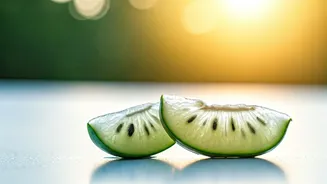
Ice apple, known locally as 'tadgola' in western India and 'nungu' in the south, originates from the Palmyra palm tree. Encased within a dark, sizable
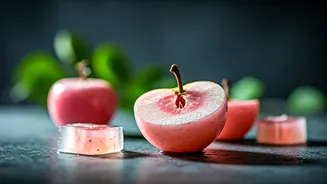
shell are translucent, jelly-like segments that are the edible part. These segments possess a subtly sweet flavor and a texture reminiscent of tender coconut flesh, making them incredibly hydrating and cooling. Their high water content is a significant draw during intensely hot weather, offering natural refreshment. Typically consumed fresh, ice apples are often prepared and served immediately by vendors due to their delicate nature, which limits long-term storage and transport.
Aromatic Litchi's Sweetness
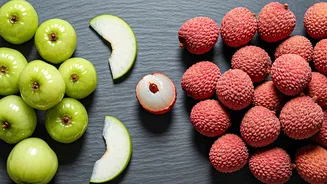
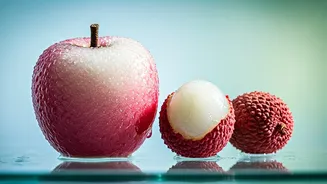
Litchi, or lychee, is a product of tropical evergreen trees, distinguished by its rough, red outer peel that must be removed to reveal the succulent white pulp. This flesh encases a single brown seed and offers a more pronounced, sweeter taste and a captivating aroma compared to ice apple. Its juicy consistency and fragrant profile make it a versatile ingredient, frequently incorporated into juices, desserts, fruit salads, and refreshing summer beverages. Litchi cultivation in India is notably concentrated in regions like Bihar, and the fruit is distributed widely across markets during its harvest season.
Taste and Texture Contrasts
The sensory experience of ice apple is characterized by a mild, delicate sweetness and a soft, jelly-like texture that feels exceptionally cooling. Its abundant water content makes it a prime choice for those seeking natural hydration and a cooling effect on hot days. Litchi, conversely, presents a much sweeter and juicier profile. Its flesh, while smooth, is firmer than that of the ice apple. Upon peeling, it releases a distinct floral scent that enhances its appeal. Consumers often gravitate towards ice apple for its light, hydrating qualities, while those who prefer a bolder, sweeter flavor lean towards litchi.
Nutritional Profiles Compared
While both fruits offer distinct health advantages, their nutritional contributions differ. The primary benefit of ice apple lies in its exceptional hydration due to its high water content, which is crucial for cooling the body and preventing dehydration during summer. Litchi, though not a standalone source of all essential nutrients, is a good source of Vitamin C and contains antioxidants that bolster the immune system. Additionally, the natural sugars present in litchi provide a quick energy boost, making it a revitalizing summer treat.
Seasonal Availability Insights
The availability of both ice apples and litchis is generally confined to the warmer months, though geographical location can influence exact timings. Ice apples typically appear from late spring into early summer, wherever Palmyra palm trees are found. Their perishable nature means they are primarily found in local markets close to their harvesting sites, limiting wider distribution. Litchis also emerge during early summer. Although they are more robust and can withstand transportation better than ice apples, their availability is also seasonal, ensuring they reach markets across the country during their peak season.
Choosing Your Summer Fruit
Ultimately, the selection between ice apple and litchi hinges on individual preference and desired refreshment. If you're seeking a light, intensely hydrating, and cooling option, the ice apple is an excellent choice. Its subtle sweetness and water-rich pulp are perfect for a gentle cooling effect. For those who enjoy a more pronounced sweetness, a vibrant flavor, and additional nutritional benefits like Vitamin C, the litchi offers a more robust and aromatic experience. Both fruits serve as delightful and beneficial ways to stay refreshed during the summer season.