



Wetland Origins
The genesis of Eco Park lay in an expansive tract of undeveloped land, characterized by marshy wetlands and sparse vegetation. In its nascent stages, the
area was far from the bustling park it is today. Early associates recall it as a landscape dominated by water bodies with a distinct absence of mature trees. Initial efforts focused on establishing basic infrastructure, with only a couple of gates and a small operational area. The journey from this uncultivated expanse to a planned recreational zone was a gradual process, marked by phased development and the introduction of various elements over time.
Gradual Development
The park's transformation accelerated with systematic plantation drives and the meticulous development of themed gardens. The introduction of a rose garden and a rainforest area marked significant milestones in its evolution. While visitor numbers were initially modest, averaging three to five thousand on weekends, particularly during the winter months from November to March, the park's popularity began to surge. This growing influx of visitors necessitated rapid infrastructure expansion, with parking management becoming a critical logistical challenge, often accommodating between 1,000 to 1,500 vehicles daily. The administrative setup, initially lean with just a curator, manager, and a few office staff, had to scale up to manage the increasing crowds and operational demands, even experiencing extraordinary footfalls of up to one lakh visitors on a single day, like Christmas.
Modern Recreational Hub
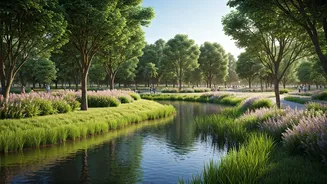
Today, Eco Park stands as one of India's largest urban parks, a meticulously designed multi-zone recreational area centered around a vast water body. It seamlessly integrates diverse themed gardens, dynamic activity zones, and expansive open spaces for leisurely strolls, attracting thousands of visitors weekly. Popular attractions like the miniature toy train that winds through its various sections and the convenient Eco-carts have become major draws, especially for families. The park also boasts distinct themed gardens, such as a serene Japanese garden and a vibrant Prajapati garden, which have garnered significant appreciation. Infrastructure enhancements, including the construction of a bridge to previously inaccessible areas, have further improved accessibility and visitor experience, transforming the island into a more integrated part of the park.
A Multifaceted Escape
Eco Park has evolved into a versatile destination catering to a wide range of visitor preferences, offering a unique blend of activities and tranquil escapes. It has become a favored spot for everyday leisure, with many residents utilizing its grounds for regular walks and family outings. The park's appeal lies in its ability to offer diverse experiences within a single location, from exploring the solar dome and admiring an Eiffel Tower replica to enjoying a casual tea, playing golf, or grabbing a snack. Its inclusion of a zoo adds another layer of attraction. For some, it's a place for active engagement, while for others, it serves as a peaceful retreat by the water, embodying a perfect balance between entertainment and relaxation, mirroring the city's own growth and development.
Cultural Significance
The profound transformation of Eco Park symbolizes Kolkata's dynamic cultural landscape and its capacity for reinvention. It has successfully converted former wetlands and undeveloped land into a vital green lung for the rapidly expanding New Town area, providing essential public space. The park's unique offerings, including its charming toy train, varied themed gardens, picturesque lakeside walks, and engaging activity zones, have cemented its status as a cherished weekend ritual for families across the city. Moreover, Eco Park mirrors the developmental narrative of New Town itself, evolving from an empty expanse into a thoughtfully planned urban environment that prioritizes leisure, culture, and community interaction, proving that even in a bustling metropolis, there is always space for a tranquil haven.