






The Health Hurdle
Namita Thapar, a prominent figure in the Indian business world and a judge on Shark Tank India, recently shared her personal battle with significant health
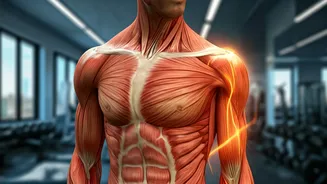
setbacks. For a period of six months, she found herself unable to engage in her usual fitness routines, including gym workouts, dancing, yoga, and Pilates. This prolonged inactivity was primarily due to the dual challenges of menopause and a severely limiting frozen shoulder. Thapar described this time as incredibly tough, forcing her to put her physical activities on hold. Her candid admission highlighted the profound impact these health issues had on her daily life and well-being, setting the stage for her eventual comeback and a renewed appreciation for her body's resilience.
The Comeback Strategy
Despite still being only halfway through her recovery, Namita Thapar has made a triumphant return to her fitness regimen, declaring, "Baby, I'm back!" Her current gym sessions are strategically designed to accommodate her shoulder's limitations, allowing her to focus on exercises that target her legs and core without requiring extensive shoulder movement. This approach underscores her commitment to rebuilding strength and emphasizes a key principle for post-injury or recovery fitness: focusing on muscle mass. Thapar's return highlights the understanding that while full recovery takes time, maintaining engagement with physical activity, even in modified ways, is crucial for progress and overall health. Her journey illustrates that progress isn't always linear but persistence and smart adaptation lead to significant gains.
Muscle's Crucial Role
Consultant dietitian and fitness expert Garima Goyal sheds light on why maintaining muscle mass is paramount, particularly for individuals in their 40s and 50s. Beyond mere aesthetics, muscle plays a foundational role in metabolic health, enhancing insulin sensitivity and improving the body's ability to regulate blood sugar. It also provides vital joint support, acting as a buffer against injury and wear. Furthermore, adequate muscle mass is intrinsically linked to bone density, helping to prevent osteoporosis and maintain skeletal strength as we age. Goyal explains that as people enter their mid-40s and beyond, the body naturally begins to experience a decline in lean muscle tissue if it's not actively stimulated through resistance training. Proactive efforts to preserve and build muscle are therefore essential for overall resilience and robust health throughout later life.
Rebuilding Strength Safely
The period of inactivity experienced by Namita Thapar, especially when it stems from injury or recovery, can unfortunately lead to a gradual depletion of muscle mass and a noticeable decrease in functional strength. This makes the process of rebuilding muscle a critical priority once the body is sufficiently healed and ready to resume physical activity. Garima Goyal advises that the return to training after a significant break should not be about immediately replicating past performance levels. Instead, the primary objectives should be to gradually restore mobility, enhance stability, and re-engage muscle groups effectively. This progressive approach, combined with consistent strength training, appropriate protein consumption to support muscle repair and growth, and ample recovery time, is the most effective strategy for regaining lost muscle while significantly minimizing the risk of re-injury.
Beyond Aesthetics
Fitness expert Garima Goyal offers a valuable perspective shift: exercise should no longer be solely conceptualized through the lens of weight loss or outward appearance. Instead, she advocates for viewing regular physical activity as a crucial investment in building and maintaining muscle as a protective reserve for long-term well-being. This strategic focus on muscle preservation transforms exercise into a proactive measure for ensuring a higher quality of life as one ages. Rebuilding muscle after a period of dormancy, like Namita Thapar's experience, is far more than just a physical comeback to the gym; it represents a profound commitment to enhancing metabolic health, securing functional independence for daily living, and embracing a future of healthy, active aging.