
Saree's Historical Roots
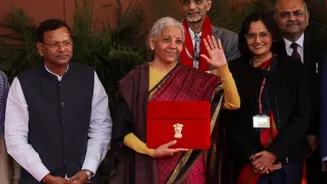
The sartorial selection of the Finance Minister, Nirmala Sitharaman, at the Union Budget 2026, became an interesting topic of discussion. She chose a purple
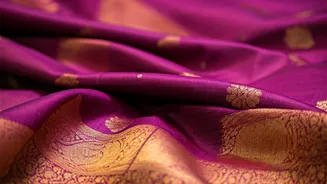
saree that harked back to the 1,300-year-old weaving heritage of the Pallava dynasty. The Pallavas, who reigned in South India from the 3rd to the 9th centuries, were great patrons of art and architecture, and their impact extended to weaving. The intricate designs and techniques of this period continue to influence Indian textiles. This regal connection highlights the blend of tradition and modernity inherent in Indian attire. The selection served as a tribute to the rich cultural background and showcased the timeless relevance of the weaving legacy of the Pallavas.
Pallava Dynasty's Weaving
The Pallava dynasty played a pivotal role in the advancement of South Indian art and craftsmanship. Their patronage led to the development of unique weaving styles. The Pallava era brought about an evolution in weaving practices, creating complex patterns and using vivid colors. Skilled artisans of this time utilized techniques passed down through generations. These weaving traditions were a key element of the socio-economic life. The enduring influence of the Pallavas’ textile designs is observable in the continued use of traditional methods and motifs. The legacy is maintained through the weaving designs seen even today, representing the continuing link between past and present.
Fashion's Cultural Reflection
The Union Budget 2026 offered more than just financial insights; it highlighted the confluence of fashion and history. The purple saree, rooted in the Pallava weaving legacy, is more than a garment; it is a symbol. This represents India’s rich cultural heritage. The deliberate choice by the Finance Minister communicates the significance of tradition. The choice also acknowledges the enduring power of heritage crafts. It emphasized the need to acknowledge and celebrate these age-old crafts. This instance showcases how fashion can be used to showcase and celebrate India's diverse legacy, encouraging a sense of appreciation for the skills passed down through centuries. The saree thus became a symbol of cultural pride.
Modern Weaving Techniques
The ancient weaving techniques have evolved over time. Contemporary weavers continue to incorporate Pallava-era patterns while using modern methods. The blend of conventional and new-age techniques is a testament to the versatility of Indian textiles. The use of digital tools and modified looms has increased the efficiency of weaving while keeping the integrity of the original designs. Several designers now incorporate traditional motifs with modern fabrics. This blending of classic designs and contemporary materials provides a fresh approach to the aesthetic and practical features of sarees. The modern weaving practices continue to honor the historical significance of the Pallava dynasty.
Budget's Fashion Statement
Nirmala Sitharaman's choice of attire at the Union Budget 2026 was a strong statement. It highlighted the connection between fashion and heritage. The selection of a saree that echoed the 1,300-year-old weaving legacy of the Pallavas brought attention to Indian craftsmanship. This sartorial choice served as a celebration of culture. It also underscored the significance of preserving and promoting the skills of artisans. The event drew attention to the significance of supporting traditional crafts. This deliberate choice of attire promoted a sense of national pride, demonstrating the ability of fashion to convey significant cultural narratives. The saree worn by the Finance Minister went beyond mere clothing; it was a potent representation of India's cultural history.