




Runway's New Voices
The fashion runway, the breeding ground for creativity, now hosts a plethora of emerging talents and established designers. This season saw a clear emphasis
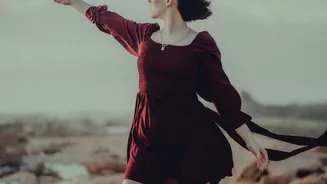
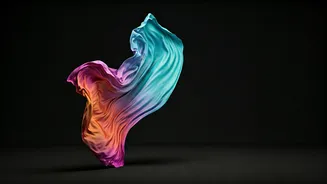
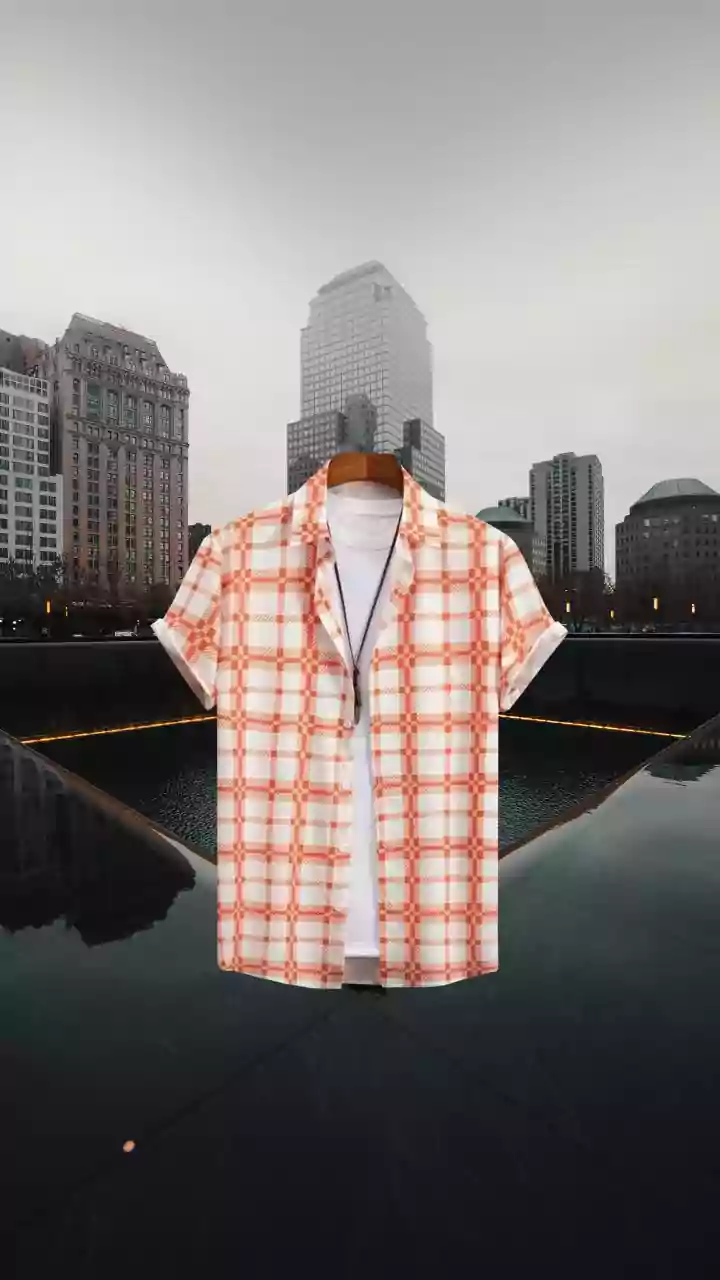
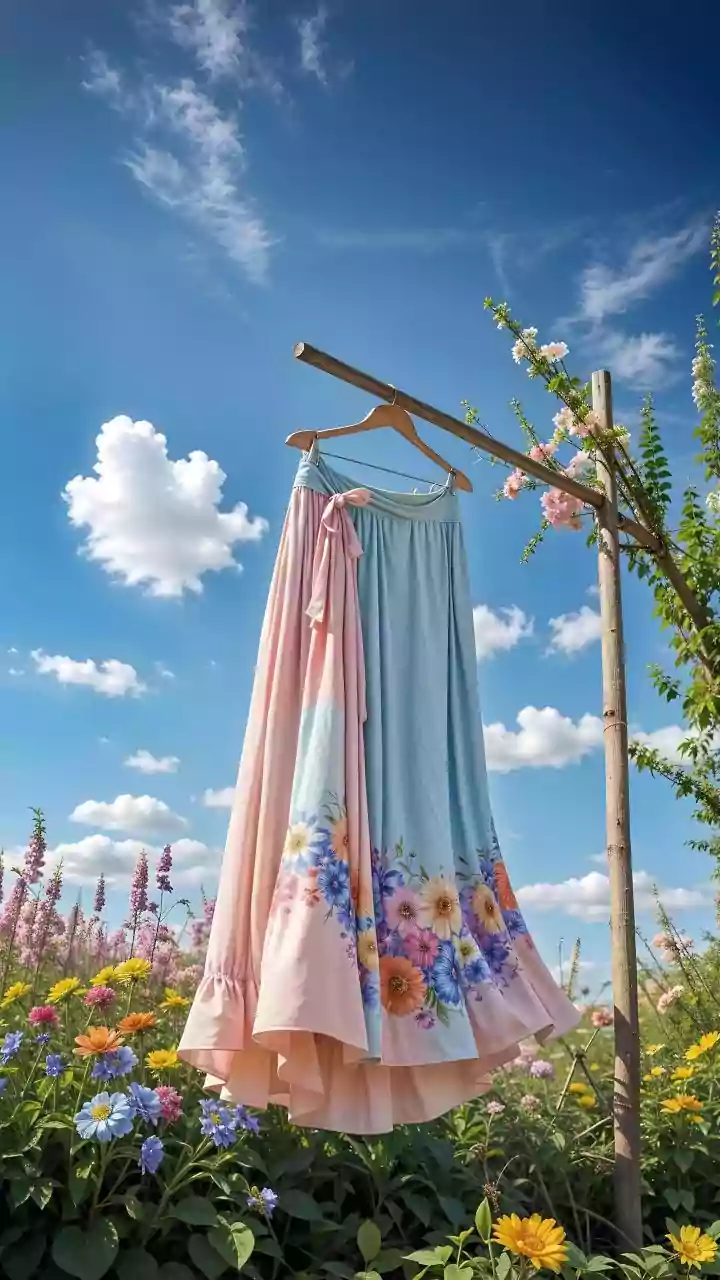
on sustainability, with designers incorporating upcycled materials, organic fabrics, and eco-friendly practices. Bold colors, once reserved for accent pieces, took center stage, with vibrant hues like fuchsia, cobalt blue, and emerald green dominating collections. Furthermore, oversized silhouettes and fluid designs celebrated comfort and individuality. These trends not only change what's considered fashionable but also reflect a shift in consumer values towards ethics and self-expression. Many shows included models of diverse backgrounds and body types, promoting inclusivity within the fashion industry. The focus is shifting from unattainable ideals to realistic aesthetics.
Revivals and Reinventions
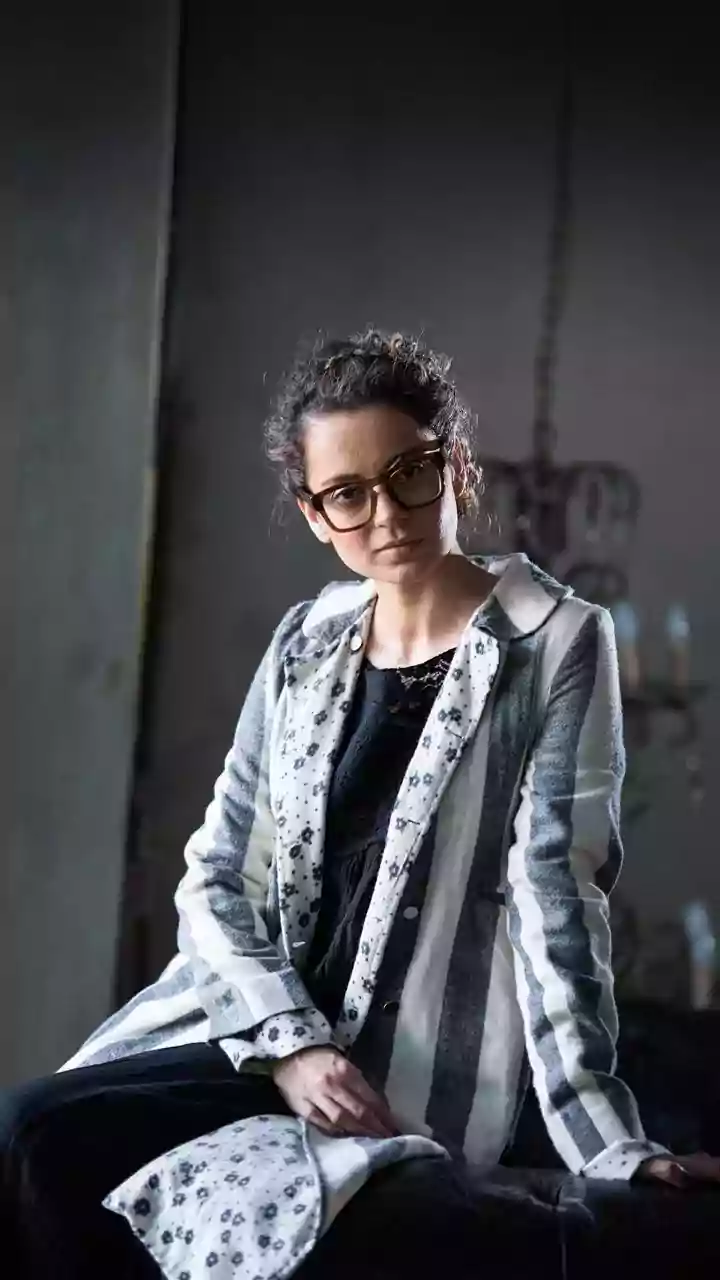
Nostalgia played a significant role this season, with designers revisiting iconic styles from the past. The 1970s made a striking comeback, with flared jeans, bohemian blouses, and platform shoes making their way back onto the runways and into stores. The '90s influence continues strongly, and minimalism with sleek slip dresses and tailored blazers. However, these revivals are not mere copies of past trends; instead, designers reinvent them with a contemporary twist. For example, a vintage-inspired piece might incorporate modern fabrics or updated silhouettes. This fusion of past and present provides fresh aesthetics that celebrate both history and innovation. Accessories also played a vital role in these revivals; statement belts, chunky necklaces, and oversized sunglasses added personality and flair to each look.
Street Style's Influence
Street style is no longer just a source of inspiration; it has become an integral part of the fashion cycle. Trends that originate on the streets of major cities quickly filter into the mainstream. For this season, the streetwear influence is undeniable, with oversized hoodies, graphic tees, and sneakers gaining more acceptance in high fashion. However, these street-inspired pieces are not solely casual; designers integrate them into more elevated ensembles, often paired with luxury items. The emphasis on comfort and practicality continues, as fashion embraces casual aesthetics. These trends reflect how culture shapes design, with social media acting as a catalyst for ideas to rapidly circulate and influence wider audiences. It reflects the democratization of fashion, where individual expression and casual wear take center stage.
Sustainability in Practice
Sustainability is no longer a niche concept but a core value that is reshaping the fashion industry. Consumers are increasingly aware of the environmental impact of fashion and want to support brands that prioritize responsible practices. The incorporation of sustainable materials, like organic cotton, recycled polyester, and innovative fabrics, is becoming more prevalent. Brands are also focusing on transparency in their supply chains, providing information about the origin of their materials, their production processes, and labor conditions. Many fashion labels are embracing circular design, creating garments designed to last, to be recycled, or repurposed. This dedication to sustainability addresses environmental concerns while also allowing designers to innovate and create new aesthetic ideas and solutions.
Tech's Fashion Fusion
Technology and fashion are merging to transform how we create, experience, and consume garments. Digital fashion is emerging, with virtual clothing and accessories that exist only in the digital world. These virtual pieces provide a platform for experimentation and self-expression. Artificial intelligence is also playing an essential role, assisting designers with pattern creation, trend forecasting, and customer personalization. E-commerce platforms are using virtual reality (VR) and augmented reality (AR) to offer immersive shopping experiences. Fashion brands are also using social media to engage with consumers, using interactive content, live streams, and virtual try-ons to enhance engagement. The integration of technology is enabling exciting ways to experience and interact with fashion, opening doors for innovation and creativity within the industry.