

The Psychology of Perception
It's a common feeling: the slight unease when you reach for a beloved outfit you wore just days ago, worrying about being noticed. However, the reality
of how we perceive others' attire is quite forgiving. Experts explain that people don't recall exact outfits; instead, they register an overall impression. By subtly altering just one visible component – be it your footwear, outerwear, accessories, or the way you wear a garment – you disrupt that established impression sufficiently to make the ensemble feel entirely novel. This psychological principle supports the idea that frequent restyling of existing garments is linked to reduced consumption patterns and more environmentally conscious wardrobe habits, proving that creativity trumps constant acquisition.
The One-Element Swap Rule
The most effective strategy for refreshing your wardrobe without acquiring new items is remarkably straightforward: change just one visible element each time you don an outfit. You needn't reinvent the entire ensemble daily. For instance, if you paired black trousers with a white shirt on Monday, repeating this combination on Thursday becomes a fresh look simply by swapping your trainers for ankle boots. This singular alteration creates a distinct impression, as even minor adjustments in visible components significantly enhance the perceived novelty. Our brains register visual contrast rather than demanding absolute newness, which is why even small tweaks make an outfit feel revitalised. Think of your core outfits as a blank canvas; the one change you make acts as the decisive brushstroke that breathes new life into the look.
What Counts as 'One Thing'?
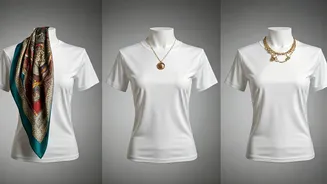
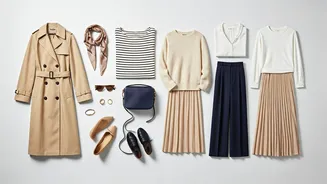
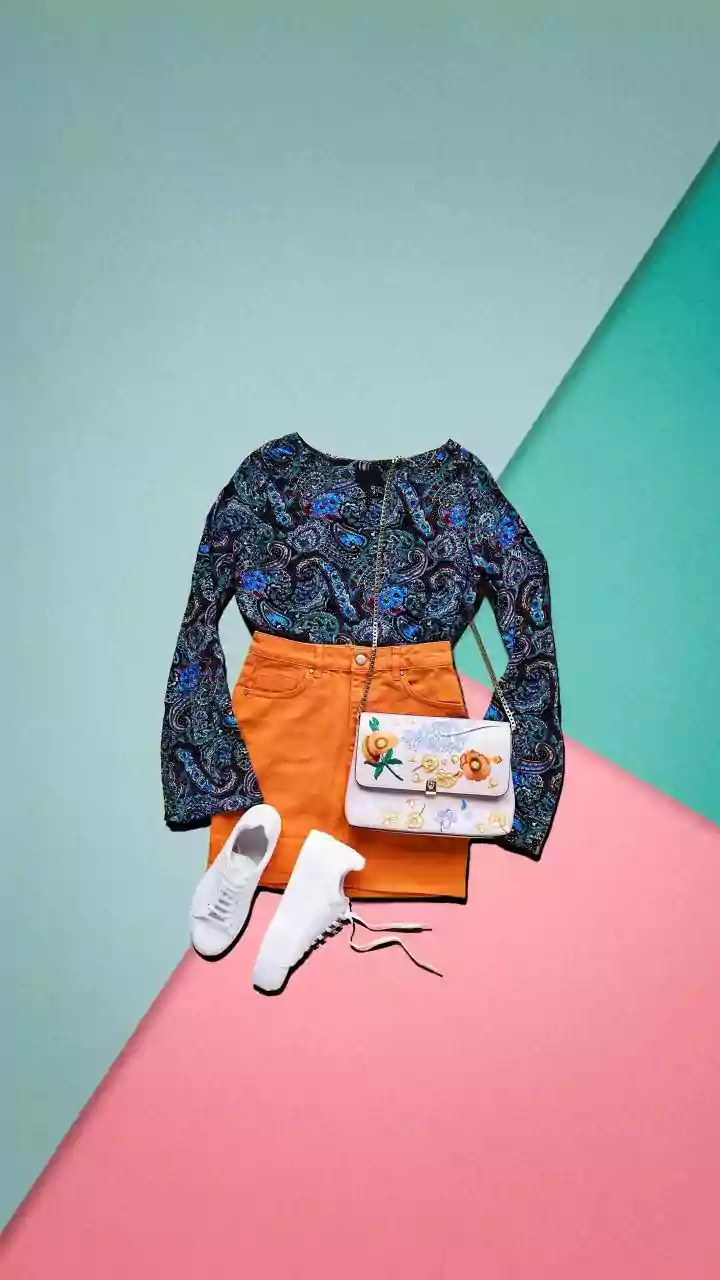
The beauty of this styling method lies in its adaptability, as virtually any visible item can serve as your point of variation. Key elements that offer the most impact include footwear; changing from casual sneakers to elegant flats or sophisticated heels can dramatically alter an outfit's mood. Outerwear is another significant player, with a switch from a formal coat to a relaxed puffer jacket instantly transforming a look. Accessories, often underestimated, can also wield considerable influence: a bold necklace versus delicate chains, or a structured tote compared to a crossbody bag, can make an outfit appear entirely different. Furthermore, silhouette tweaks offer a cost-free method; simply tucking in a shirt or belting a loose dress changes its character. Even alterations in hair or makeup can subtly influence how an outfit is perceived, contributing to the overall sense of novelty.