


Ovulation Isn't Fixed
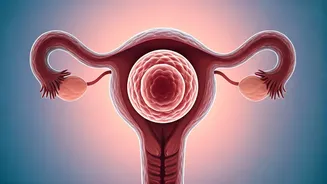
A widely held belief suggests ovulation precisely occurs on the 14th day of a menstrual cycle, often based on idealized 28-day cycles. However, real biological
processes are far more varied. Menstrual cycle lengths can differ significantly, ranging from 24 to over 30 days, and ovulation can happen much earlier or later than the mythical "day 14." Factors like stress, travel, illness, and even sleep disturbances can influence the timing of ovulation, potentially shifting it earlier or later. Therefore, relying solely on this fixed day can cause couples to miss their actual fertile window. To accurately pinpoint fertility, methods like tracking cervical mucus changes, utilizing ovulation predictor kits, or observing cycle patterns over several months are much more reliable than a simplistic calendar rule.
Conception Takes Time
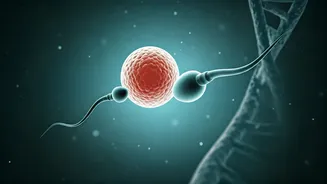
Many couples anticipate immediate conception once they decide to try for a baby, perhaps expecting pregnancy to occur within the first month. The reality, however, often involves a longer journey. Scientific data indicates that even for healthy couples with optimal timing, it can take several months to achieve pregnancy. In many instances, up to a year of consistent, unprotected intercourse may be required. Conception is a complex interplay of biological factors, including the release of viable eggs, the health and motility of sperm, hormonal balance, and precise timing. Patience is a crucial element in this process, and understanding this can alleviate undue pressure and disappointment.
Positions Don't Guarantee
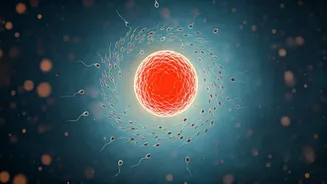
Whispered advice often circulates among friends, suggesting that specific sexual positions can significantly increase the chances of pregnancy. Some theories propose that certain poses help sperm reach the egg more rapidly, while others advocate for lying still after intercourse to improve success rates. Scientifically, sperm are remarkably robust swimmers, and once ejaculation occurs, millions embark on their journey through the cervical mucus towards the fallopian tubes. While comfort during intercourse is important, the physical position itself plays a minimal role in the actual mechanics of conception. The most critical factor remains timing intercourse strategically around the period of ovulation.
Stress Impact Overstated
A common piece of advice given to couples trying to conceive is to "just relax," implying that stress alone is the primary barrier to pregnancy. While chronic or severe stress can indeed affect overall health and, in some cases, hormonal balance, everyday pressures from work or daily life are unlikely to halt fertility entirely. This myth can unjustly place blame on couples, suggesting their pregnancy isn't occurring due to excessive stress. In reality, fertility is a multifaceted biological process influenced by numerous factors. While managing stress is beneficial for overall well-being, conception is rarely solely dependent on achieving a state of complete relaxation.
Youth Isn't Automatic
While age is undeniably a factor in fertility, with younger reproductive systems generally offering higher chances of conception, being young does not automatically guarantee immediate pregnancy. Many couples are surprised and concerned when conception takes time, despite being youthful and seemingly healthy. Fertility is not solely determined by age; it also encompasses the overall reproductive health of both partners. Understanding that other factors contribute significantly helps couples proactively seek professional guidance if needed, rather than solely relying on age as a determinant of fertility.
Regular Periods Aren't Enough
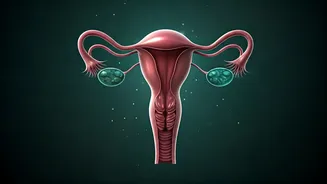
The presence of regular menstrual cycles is often misinterpreted as a definitive sign of perfect fertility. While consistent cycles are a positive indicator, they are only one piece of the larger fertility puzzle. The quality of eggs, the health and patency of the fallopian tubes, the viability of sperm, and the intricate balance of hormones all play crucial roles in conception. It's entirely possible for someone to have predictable periods and still encounter challenges in getting pregnant. Comprehensive fertility assessments typically involve a range of tests beyond just cycle tracking to understand all contributing factors.