



Magnesium's Silent Role
Many of us associate fruit with simple enjoyment and hydration, but a deeper nutritional benefit often goes unnoticed: magnesium. This crucial mineral
acts as a backstage conductor, orchestrating over 300 bodily enzyme reactions. It's instrumental in ensuring our muscles relax properly, our nerves transmit signals effectively, and our heart maintains a steady rhythm. Furthermore, magnesium plays a significant part in regulating mood and promoting restful sleep. Despite its profound importance, a substantial portion of the population doesn't consume enough magnesium through their regular meals. Symptoms of deficiency can manifest as persistent fatigue, uncomfortable muscle cramps, and a general feeling of poor sleep quality. While nuts and seeds are frequently highlighted for their magnesium content, fruits are often overlooked, yet they offer a gentle, natural source of this indispensable nutrient, combined with beneficial fiber, antioxidants, and hydration.
Papaya: Digestive Aid
Papaya, a single small serving, offers approximately 33 mg of magnesium, in addition to the papain enzyme that aids digestion. It's often the go-to fruit when someone feels sluggish or bloated, a reputation supported by its digestive enzymes. Papain is recognized for its ability to ease gastrointestinal discomfort. The fruit's soft texture makes it easy for individuals, including older adults or those with sensitive stomachs, to incorporate into their diet without any issues. Papaya offers a calm, consistent support to the body, emphasizing the value of steady nourishment over fleeting trends. Its understated presence in our diets highlights how simple, consistent food choices contribute significantly to our health without demanding attention.
Dried Figs: Sweet Powerhouse
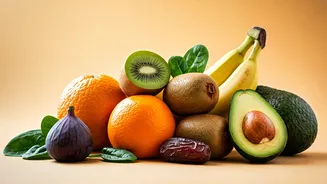
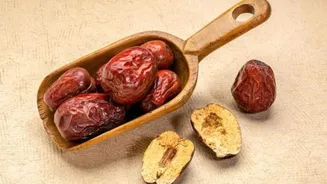
Though not always a prominent feature in health discussions, dried figs are a remarkable source of magnesium, providing about 101 mg per cup. Their nutritional profile is impressively balanced, offering natural sweetness alongside beneficial fiber, potassium, and calcium. This combination supports digestive health and assists the body in maintaining optimal muscle and nerve function. For those seeking a healthier alternative to sugary snacks during an energy dip, a few dried figs paired with plain yogurt or nuts can satisfy cravings while delivering genuine nutritional value. However, due to their concentrated natural sugars, mindful portion control is essential, particularly for individuals monitoring their blood sugar levels.
Bananas: Beyond Potassium
While famously known for their potassium content, medium-sized bananas also contribute around 32 mg of magnesium. This is significant because magnesium and potassium work synergistically, especially in regulating muscle function and maintaining hydration equilibrium. This synergy is why bananas are a favorite among athletes and those recovering from exertion. Their universal appeal stems from being affordable, easily digestible, and widely available. In many households, bananas are a staple, consumed without much thought, demonstrating how simple, daily healthy habits can be the most impactful. They may lack the exotic allure of superfoods, but their consistent contribution to our nutritional needs is undeniable.
Blackberries: Antioxidant Rich
A cup of blackberries delivers approximately 29 mg of magnesium, complementing its fiber and antioxidant properties that contribute to overall health. What sets blackberries apart is their complex flavor profile—a delightful blend of sweet and tart notes—offering a refreshing contrast to overly processed, sugary foods and helping to reawaken appreciation for natural tastes. The vibrant color of blackberries comes from anthocyanins, plant compounds that have been investigated for their antioxidant capabilities. While fresh blackberries might not be available year-round everywhere, frozen varieties retain most of their nutrients and can be easily added to smoothies or breakfast cereals. Often, enhancing one's diet is about making small, consistent improvements rather than drastic changes.
Avocado: Healthy Fat Plus
Avocado is celebrated for its healthy fats, but its magnesium content, around 43.5 mg per cup of cubed fruit, deserves equal recognition. Unlike quick-fix snacks that cause energy spikes and crashes, avocado provides a slow, sustained release of energy, making it an excellent choice for breakfast or lunch according to many nutritionists. The added magnesium further enhances its benefits by supporting muscle repair and nerve signaling. Emerging research also highlights the potential positive impact of magnesium-rich diets on cardiovascular health. Avocado's creamy texture encourages a more mindful eating experience, making a simple slice on toast with seasoning feel far more satisfying than mindlessly consuming highly processed alternatives.
Guava: Vitamin C & More
Guava is frequently cited for its high vitamin C content, but it also provides a notable amount of magnesium, approximately 36.4 mg per cup. This tropical fruit boasts a refreshing tartness that is particularly pleasant in warmer climates. Nutritionally, guava is a powerhouse, combining fiber, antioxidants, and magnesium in a low-calorie package. Its popularity in many regions, often enjoyed simply with a sprinkle of salt and chili powder, speaks to its satisfying nature without being heavy. Despite not being marketed with premium branding, guava offers substantial nutritional benefits, punching well above its perceived weight in terms of health contributions.
Modern Diet & Magnesium
Contemporary eating habits have shifted dramatically, leading to meals that are faster, more processed, and often deficient in natural minerals. Coupled with increased stress levels, which some research suggests can deplete magnesium stores, ensuring adequate intake is becoming more challenging. While immediate supplementation isn't always necessary for everyone, improving dietary choices can naturally bolster magnesium levels. Though fruits alone might not cover the entire daily magnesium requirement, they are significant contributors, simultaneously supplying essential hydration, fiber, and antioxidants. This synergistic effect is vital, as nutrients seldom function in isolation within the human body. A vibrant fruit platter, seemingly simple, performs complex biological work to support our health.