



Physician-Approved Menus
Emperor Akbar's daily meals were not merely about indulgence; they were meticulously curated by his royal physicians, known as hakims. These learned individuals
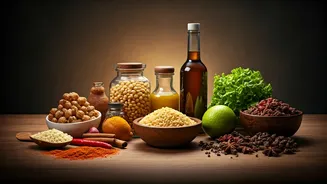
were responsible for selecting ingredients not just for taste, but primarily for their purported health benefits and medicinal properties. This ensured that every dish served contributed to the Emperor's well-being. For instance, it's noted that even individual grains of rice intended for biryani were coated in a special silver oil, believed to aid digestion and act as an aphrodisiac. The service itself was a highly structured affair, managed by eunuchs operating within a strict chain of command, underscoring the importance placed on both the purity and the scientific preparation of the royal repast. This approach merged the realms of gastronomy and medicine, creating a dining experience that was both luxurious and health-conscious, a hallmark of Akbar's progressive approach to imperial sustenance.
Pampered Palace Poultry
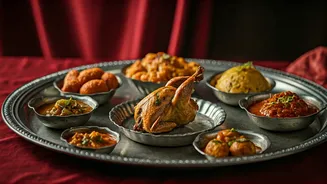
The chickens destined for Emperor Akbar's royal table were treated with an unparalleled level of care and luxury, a practice detailed in historical accounts of Indian cuisine. To guarantee the absolute best quality and purity of flavour, these birds were not simply raised; they were pampered. They were hand-fed specially prepared pellets that were infused with fragrant saffron and rosewater, lending a subtle floral note to their diet. Furthermore, their daily routine included massages performed with musk oil and sandalwood, aimed at enhancing their well-being and, presumably, the tenderness and flavour of their meat. This extraordinary attention to detail extended to the vast kitchen staff, which comprised over 400 cooks from both Indian and Persian backgrounds, supported by tasters, clerks, and storekeepers. Even the logistics of keeping drinks cool were monumental, involving couriers relaying ice from the distant Himalayas, all served in ornate gold and silver vessels wrapped in protective cloth.
Vegetarianism and Sacred Water
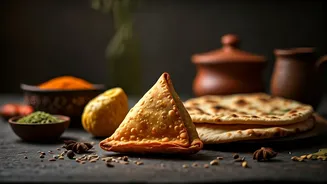
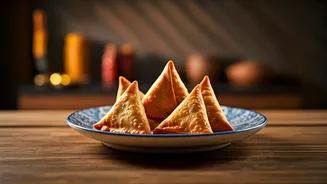
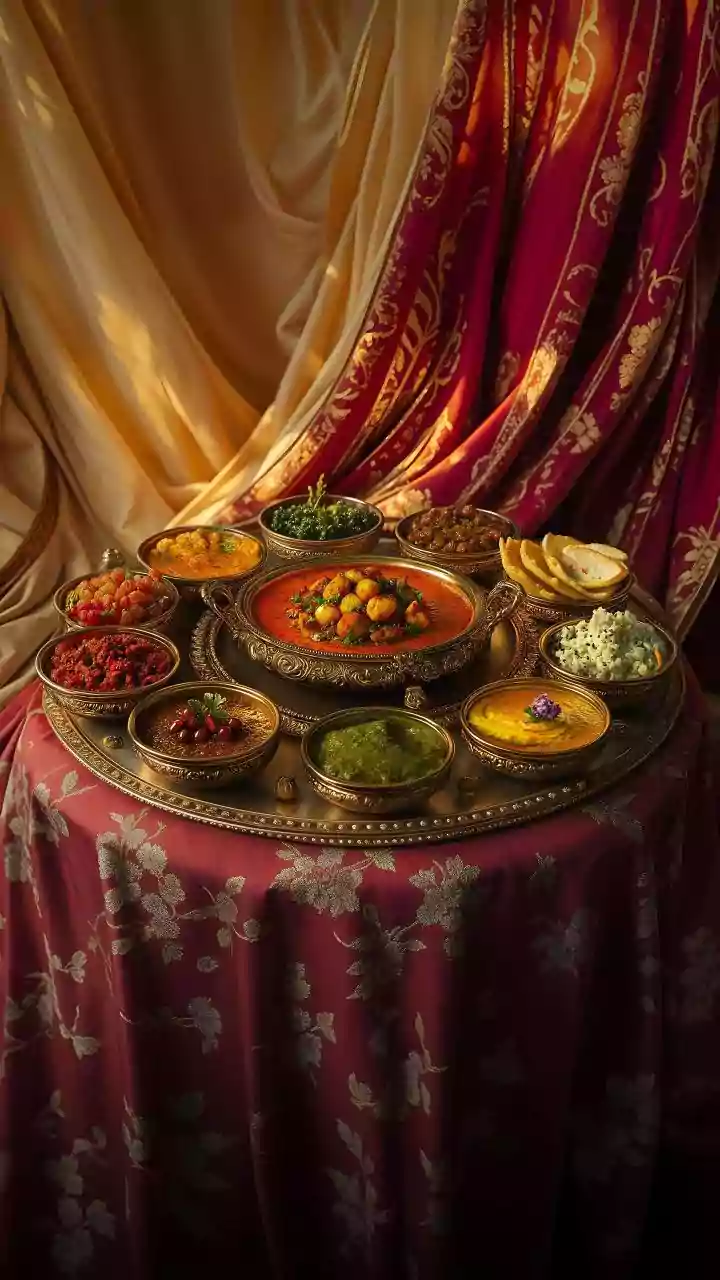
Emperor Akbar incorporated specific religious and spiritual practices into his dietary routine, demonstrating a deep respect for various faiths within his empire. Notably, he observed a commitment to vegetarianism, abstaining from meat three days out of every week. This practice reflected a conscious effort to align with the dietary customs of his Hindu and Jain subjects, fostering goodwill and inclusivity. In addition to his meat-free days, Akbar adhered to the purity of drinking water by consuming only water drawn from the sacred River Ganga. His personal involvement extended to his kitchen garden, where he would sometimes tend to vegetables himself, even going so far as to water them with rosewater. This meticulous attention was intended to imbue the produce with a more enhanced and fragrant aroma when they were eventually cooked and served. The popular dishes of his era included items like sanbusas (samosas), saag, harisa, halim, yakhni stew, and whole roasted lambs, showcasing a diverse culinary landscape.
Beef Ban and Inclusivity
A significant dietary decree enacted by Emperor Akbar was the complete prohibition of beef consumption within the royal court and presumably across his empire. This policy was a direct manifestation of his profound respect for the religious beliefs of his subjects, particularly the Hindu and Jain communities, for whom cattle hold sacred significance. By banning beef, Akbar demonstrated a sophisticated understanding of his diverse populace and a commitment to fostering harmony and mutual respect. This decision ensured that no subject would be offended by the royal menu, a testament to his enlightened governance. The culinary landscape under Akbar was rich and varied, featuring dishes such as sanbusas (samosas), saag (spinach cooked with spices), harisa (a meat and grain dish), halim (a vegetarian pulse preparation), yakhni stew, and entire roasted lambs. This broad spectrum of food offerings catered to a wide range of tastes while upholding the principles of inclusivity that defined his reign.
Fortified Against Poison
The royal kitchens of Emperor Akbar were a fortress against the ever-present threat of assassination through poisoning, a concern that had historically impacted Mughal rulers, notably Babur. To mitigate this risk, an elaborate and multi-layered security system was implemented for every meal. Cooks, tasters known as bakawals, and the head of the kitchen staff, the Mir-Bakawal, were all involved in rigorously tasting the food before it reached the Emperor. Dishes were meticulously sealed with the Mir-Bakawal's personal mark, and clerks maintained detailed records of all preparations. Even the bread and pickles were not exempt from this stringent protocol. Escorted by a retinue of staff, meals were served on carpeted floors, often under protective cloth covers. The Mir-Bakawal conducted a final tasting of the food just before Akbar began to eat, a critical last line of defence. Often, Akbar would commence his meal with curds and would set aside a portion of the food to be distributed to mendicants, further emphasizing his charitable nature amidst these security measures.