
Tailoring's New Era
Tailoring has undergone a remarkable transformation in recent years, moving beyond its traditional roots to embrace modernity. Designers are now experimenting
with new silhouettes, fabrics, and techniques, resulting in a fresh aesthetic that appeals to a diverse audience. The shift reflects a broader cultural change, with fashion reflecting a desire for both elegance and practicality. Modern tailoring has taken inspiration from various sources, including street style, athletic wear, and technology, making the garments versatile and adaptable for various lifestyles. The focus is on creating clothing that not only looks good but also feels good, emphasizing comfort and individuality. The rise of modern tailoring signals a move away from rigid, formal wear to more relaxed yet sophisticated styles that allow for self-expression.
Key Silhouette Shifts
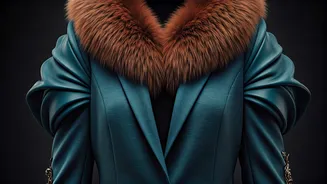
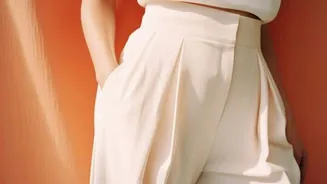
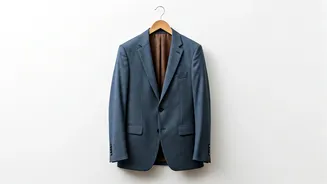
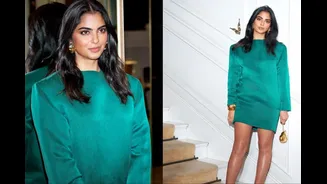
The shift in silhouettes is a key indicator of the evolution of tailoring. Traditional boxy cuts are giving way to more sculpted and streamlined shapes that flatter the body. The introduction of softer tailoring fabrics adds to this change, allowing for greater movement and comfort. One of the trends is the rise of the oversized blazer, paired with tailored trousers or skirts, and is a staple in many modern wardrobes. Another is the exploration of deconstructed tailoring, where traditional construction methods are tweaked to create a more relaxed look. This includes unstructured jackets, asymmetrical designs, and innovative layering. These elements offer a more flexible approach to dressing, enabling individuals to create unique looks that reflect their personalities. These shifts demonstrate an ongoing trend of tailoring being adapted to meet the demands of contemporary lifestyles.
Fabrics and Textures
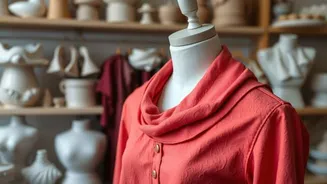
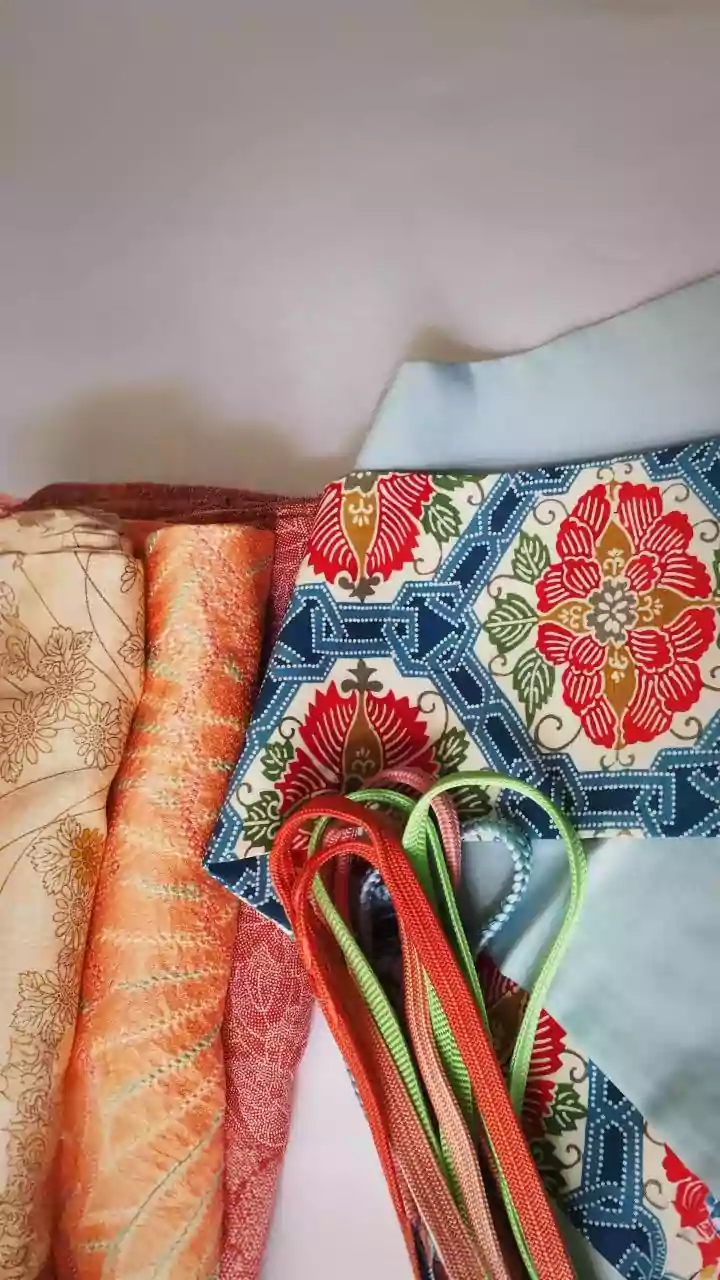
The choice of fabric is crucial in defining the character of modern tailoring. Designers are increasingly using innovative materials to achieve both aesthetic and functional goals. Fabrics such as technical wools, performance blends, and recycled materials are making their mark, providing enhanced comfort and sustainability. The use of natural fibers like linen, cotton, and silk remains popular, but with a focus on their sustainable sourcing. Textural variations are also vital. This includes the exploration of different weaves, finishes, and treatments. These fabric choices allow for greater creative expression. The focus on textures gives depth and interest to the garments. Fabrics must be durable, comfortable, and, increasingly, environmentally friendly.
The Influence of Color
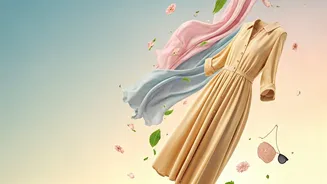
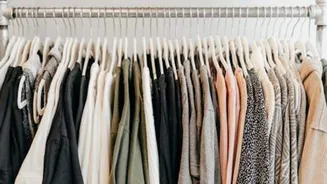
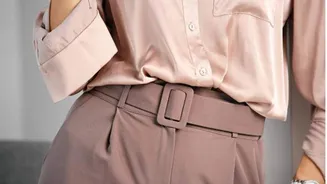
Color plays a vital role in modern tailoring. Classic colors such as navy, black, and gray remain staples, but a wider palette is being explored to offer garments that stand out. Bold and vibrant colors are frequently used to challenge traditional norms. Pastel shades and earthy tones are used for a softer aesthetic. The use of patterns, from subtle stripes to bold prints, also adds visual interest and uniqueness. Designers are using color to create a sense of mood, expressing the wearer's individuality. The interplay of color and silhouette makes modern tailoring an exciting and expressive form of fashion.
Sustainable Practices
Sustainability is becoming an essential element of modern tailoring. Fashion houses are under pressure to reduce their environmental impact, leading to changes in production and design. The usage of organic cotton, recycled materials, and innovative fabrics is growing. Ethical manufacturing practices, including fair labor standards, are becoming increasingly important. Brands are working to minimize waste and promote circular fashion systems, where garments are designed to last and can be recycled. These steps are a response to a global need to minimize fashion's environmental impact. Consumers are becoming more conscious of the origins and ethics of the garments they purchase, so this trend will drive further evolution in the industry.
Modern Tailoring Icons
Several figures have significantly influenced the direction of modern tailoring, setting trends and inspiring designers. These individuals often blend traditional tailoring skills with their unique aesthetic to create innovative designs. They are using their influence to address issues in the fashion industry. The designers are also contributing to a broader shift towards more inclusive and sustainable fashion practices. These figures demonstrate how modern tailoring can adapt to changing tastes and societal values.
Beyond the Runway
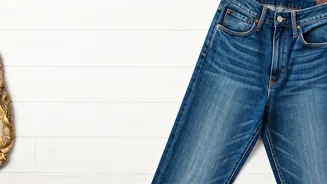
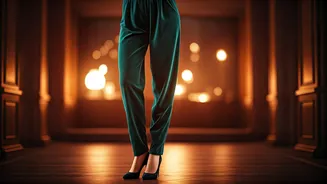
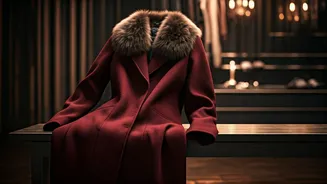
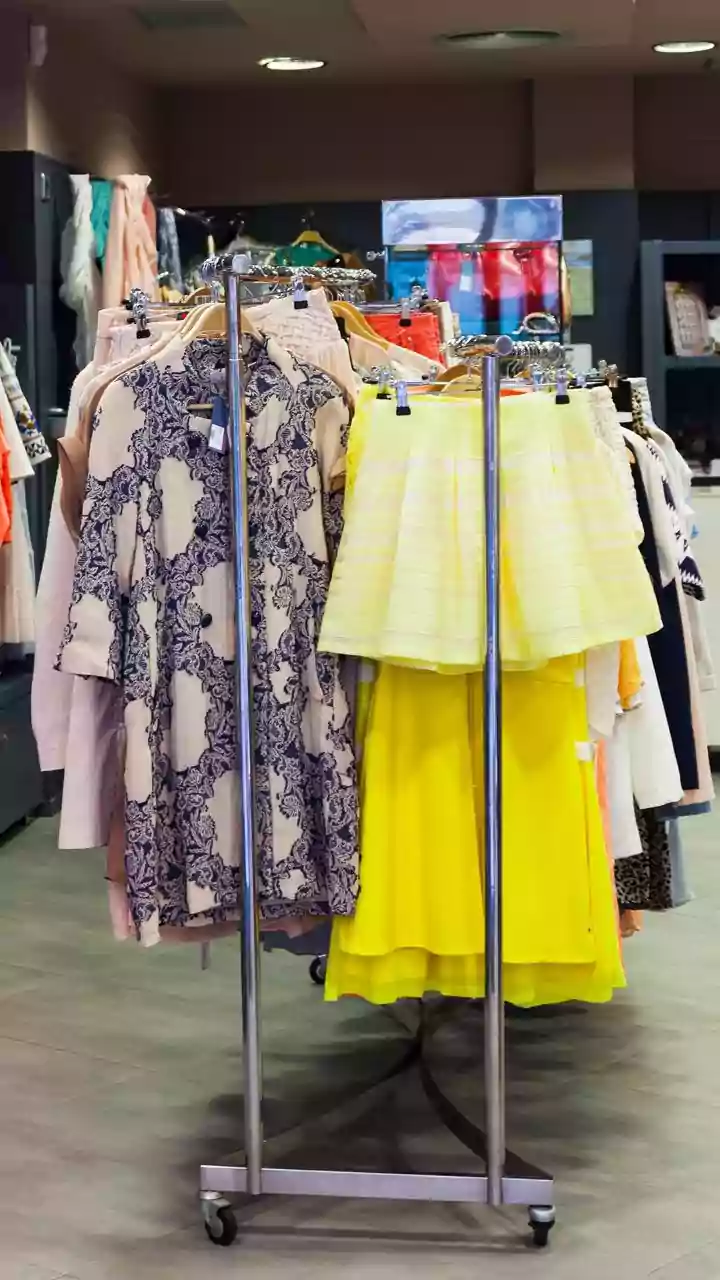
Modern tailoring has extended beyond high fashion and is becoming a major element of everyday style. The trend toward more relaxed styles has made tailored pieces a favorite for work and leisure. This has led to the adoption of tailored elements by many brands. Tailored trousers, blazers, and coats are now wardrobe staples. Modern tailoring is not just about fashion; it also involves self-expression and the freedom to create a personal style. The focus on versatility and comfort makes it an ideal choice for the contemporary lifestyle.