






South Korea's Elder Respect
In South Korea, the hierarchy of age dictates dining protocol, emphasizing profound respect for elders. It's customary for the oldest person at the table
to take the very first bite of any meal presented. This tradition isn't merely about waiting; it's a deeply ingrained cultural practice that honors seniority and acknowledges the elder's position within the family or social group before anyone else begins their meal. This gesture signifies respect and sets a tone of deference, ensuring that the youngest members of the party wait for their elders to commence eating. It's a subtle yet powerful demonstration of familial and social structure, making every meal a lesson in respect.
Italy's Cappuccino Conundrum
In the heart of Italy, the timing of your cappuccino consumption is more significant than you might think. Italians generally steer clear of drinking cappuccinos after midday, as it's widely believed that this frothy, milky coffee can hinder digestion and suppress appetite for later meals. Coffee, in general, isn't typically consumed on an empty stomach; rather, it's often savored alongside breakfast pastries like croissants or as a light accompaniment to a snack. This nuanced approach to coffee drinking highlights a focus on balancing nourishment and enjoyment, ensuring that beverages complement, rather than interfere with, the day's eating patterns.
Philippines' Generosity Signal
While many cultures view finishing one's plate as a compliment to the host, the Philippines presents a unique perspective on this custom. Here, deliberately leaving a small amount of food on your plate serves as a subtle yet significant indicator of satisfaction. It conveys that the host has been exceptionally generous and has provided more than enough sustenance for the guests. Conversely, clearing your plate entirely might inadvertently suggest that you are still hungry, which could be perceived as a lack of fulfillment or even a subtle criticism of the quantity served. This practice transforms the act of eating into a delicate dance of appreciation and politeness.
France's Visible Hands
French dining etiquette places a peculiar emphasis on the visibility of your hands while seated at the table. It is considered proper form to keep your hands, or at least your wrists, visible above the table at all times during the meal. The reasoning behind this seemingly arbitrary rule is to prevent guests from resting their hands on their laps, a practice that can be perceived as impolite or suggestive of disinterest. This focus on keeping hands in plain sight encourages a more engaged and present demeanor, ensuring diners are fully participating in the dining experience and presenting a refined image.
Japan's No-Tipping Rule
In stark contrast to many Western dining traditions, the act of tipping servers in Japan is considered a gesture of disrespect. Japanese culture values impeccable service as a fundamental aspect of hospitality, not an add-on that requires additional financial reward. Providing exceptional service is simply the standard expected from restaurants and their staff. Attempting to tip can be seen as implying that the service was not adequate or that the establishment cannot adequately compensate its employees. This reflects a deep-seated cultural belief in inherent service quality and professional pride.
Chile's Utensil Mandate
Chilean dining etiquette mandates the use of cutlery for virtually all foods, regardless of their typical handheld nature elsewhere. From French fries and pizza slices to simple sandwiches, the expectation is that these items should be consumed using a knife and fork. This rule is rooted in a desire for neatness and formality at the table, ensuring that meals are eaten with decorum and without any potential messiness. It elevates even the most casual of foods to a more refined dining experience, emphasizing a consistent approach to table manners.
India's Plate Purity
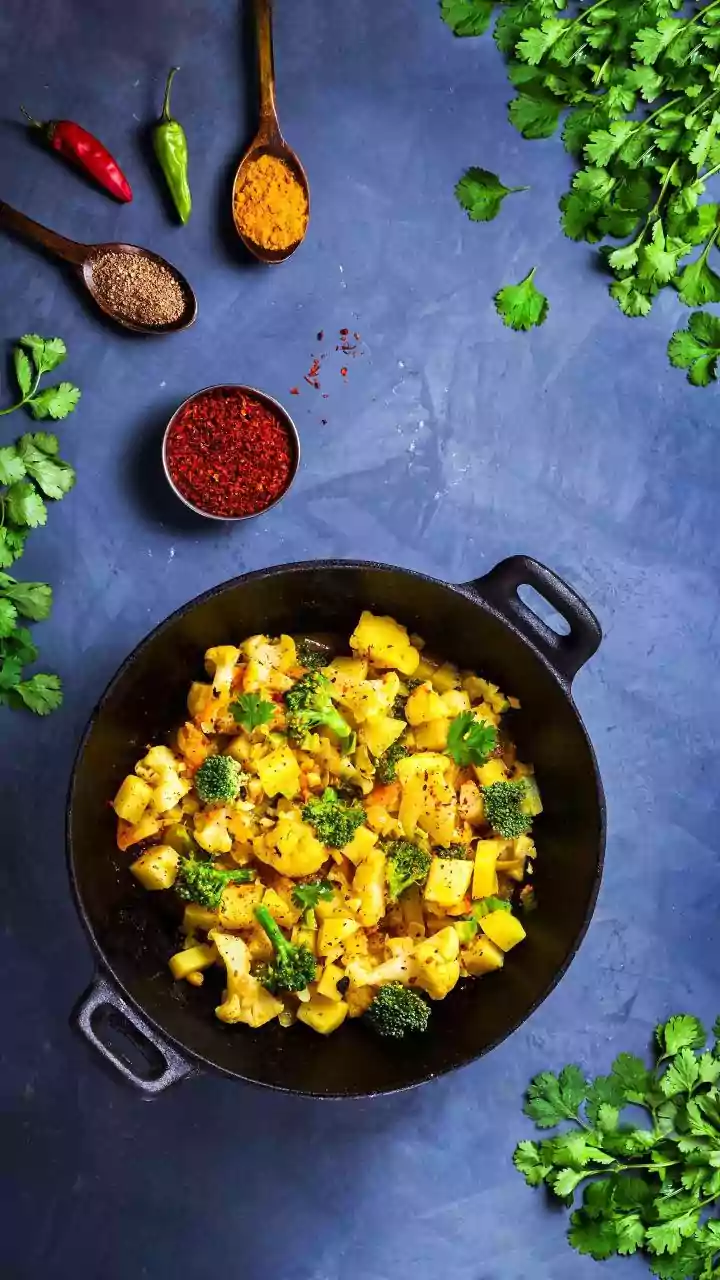
In India, the principle of finishing all the food presented on your plate is a cornerstone of dining etiquette, reflecting deep cultural values of respect and gratitude. Leaving food uneaten is considered disrespectful to both the host and the sustenance provided. Beyond this, Indian dining customs emphasize cleanliness and consideration: washing and drying hands thoroughly before the meal, offering compliments to the host after eating, and waiting for everyone at the table to rise before departing are all essential elements of polite dining. These practices underscore a holistic approach to meals, encompassing respect for food, host, and fellow diners.
Thailand's Spoon Transfer
Thailand presents a unique challenge for fork aficionados: the proper way to eat often involves transferring food from a fork to a spoon before it reaches your mouth. This method is considered the correct table etiquette, with the spoon acting as the primary utensil for conveying food. While chopsticks are also used for certain dishes, and a spoon can be used independently, placing a fork directly into one's mouth is seen as uncivilized or improper. This practice highlights a distinct culinary tradition that prioritizes a specific, elegant method of consumption for many common foods.
China's Satisfied Burp
In a surprising departure from many global norms, a gentle burp after a meal in China is often interpreted as a positive affirmation. It serves as a polite signal that the diner has thoroughly enjoyed the food and is deeply satisfied with the culinary experience. While this behavior might be considered impolite in other cultures, in China, it's viewed as a genuine expression of appreciation for the host's efforts and the quality of the meal. It's a unique way to communicate contentment and acknowledge the deliciousness of the food served.