







The HbA1c Illusion
For years, the HbA1c test has been the cornerstone of diabetes diagnosis, offering a three-month average of blood glucose levels without requiring fasting.
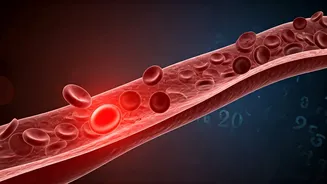
However, recent research highlights significant limitations, particularly within the Indian population. Conditions prevalent in India, such as iron deficiency anemia (affecting an estimated 53% of adults) and G6PD deficiency (found in about 8.5% of the population), can drastically alter HbA1c readings. Anemia can artificially inflate the results, suggesting higher blood sugar than present, while G6PD deficiency can shorten red blood cell lifespan, leading to falsely low readings. This creates a 'glycation gap,' where the HbA1c number doesn't accurately represent the body's actual glucose status, potentially delaying diagnosis and treatment.
Indian Context Matters
The nuances of diabetes presentation in India necessitate a more tailored diagnostic approach. Indian individuals often develop diabetes at younger ages, with a higher proportion of abdominal fat and increased metabolic risks even at lower BMIs compared to Western populations. This unique demographic profile, coupled with the high prevalence of hematological abnormalities, means that relying solely on HbA1c can be detrimental. The issue is compounded by variations in HbA1c testing methods across numerous Indian laboratories, many of which do not adhere to certified standards, further contributing to inaccurate results and a potential underestimation of the true diabetes prevalence across the nation, impacting public health resource allocation.
A Multiparametric Approach
Experts advocate for a sophisticated, 'precision medicine' approach to diabetes care, moving beyond a single numerical value. This involves integrating HbA1c with other diagnostic tools. Key additions include fasting plasma glucose (FPG) and post-meal glucose levels, offering more immediate insights. Continuous Glucose Monitoring Systems (CGMS) provide real-time data, capturing crucial glucose spikes that HbA1c often misses. For specific cases, markers like fructosamine or glycated albumin (GA) are also valuable; GA, for instance, is unaffected by anemia or hemoglobin variants as it measures sugar attached to serum proteins rather than red blood cells. Basic hematological screenings, such as checking Red Cell Distribution Width (RDW) and ferritin, are also recommended to ensure the HbA1c reading is indeed reflective of actual glucose levels.
Bridging the Diagnostic Gap
Studies, such as one in South India involving over 1,100 adults, have revealed significant discrepancies, with the Oral Glucose Tolerance Test (OGTT) identifying prediabetes in 88% of participants compared to HbA1c's 45%. This underscores the critical need for diverse testing strategies. For rural and resource-limited settings, a return to fundamental tests like OGTT and regular self-monitoring of blood glucose (SMBG) is encouraged. In more advanced clinical settings, employing markers like 1,5-Anhydroglucitol (1,5-AG), which tracks short-term glucose fluctuations, offers a more granular understanding of glucose control. This shift towards personalized, multiparametric diagnosis aims to enhance accuracy, improve treatment outcomes, and better manage the escalating diabetes epidemic in India.