





Understanding Fungus Gnats
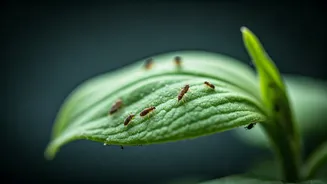
Encountering small, dark flying insects near your houseplants can be a frustrating experience. These are commonly identified as fungus gnats, distinct
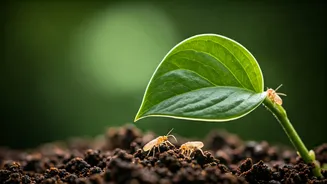
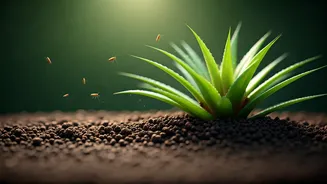
from fruit flies due to their longer bodies and lack of biting behavior. While the adult gnats themselves pose little direct harm, their presence is a crucial indicator of an underlying issue within the plant's soil. The true culprits are not the ephemeral adults, but rather their larval stage, which resides in the upper layers of the potting mix. These larvae thrive by feeding on organic matter and fungi present in moist soil. Research indicates a strong correlation between excessive moisture in the growing medium and the proliferation of fungus gnats, as this environment is ideal for both egg-laying and larval development. Therefore, addressing the root cause, which is the soil condition, is paramount for achieving lasting control rather than temporary relief.
Why They Persist
Many plant enthusiasts mistakenly believe that simply reducing the visible adult gnat population will solve the problem. However, this approach often proves ineffective because it fails to address the breeding cycle. The adult gnats you observe are merely a surface-level symptom of a larger infestation occurring beneath the soil. The critical factor for fungus gnat survival and reproduction is the moisture level of the potting mix. When the soil remains consistently damp and is rich in organic materials, it provides a conducive environment for female gnats to lay their eggs and for the larvae to mature. Even if you manage to reduce the number of adult gnats temporarily, the breeding process continues undisturbed as long as these optimal conditions persist. Thus, a superficial treatment that doesn't tackle the damp, organic-rich soil will only result in the gnats' inevitable return, making it seem like an unending cycle.
A 7-Day Eradication Plan
Effectively managing fungus gnats requires a strategic approach focused on disrupting their life cycle by making the environment less hospitable. This can be achieved over a week with consistent actions. **Days 1-2:** Begin by identifying the plants most affected by gnats. Inspect the soil of these plants by inserting your finger about an inch deep; if the soil feels wet, this is likely a primary breeding site. **Days 3-5:** The core of the strategy involves allowing the top layer of soil to dry out completely. Refrain from watering and ensure the soil surface dries thoroughly, as fungus gnats and their larvae require moisture to survive and reproduce. Depriving them of this essential element breaks their cycle. **Days 6-7:** Re-evaluate your plants. Persistent gnat activity suggests the soil may not be dry enough or that other nearby plants are also contributing to the infestation. In this phase, placing sticky yellow traps near the soil surface can help capture remaining adults and pinpoint areas of concentrated activity, aiding in further targeted drying.
Dealing with Spread
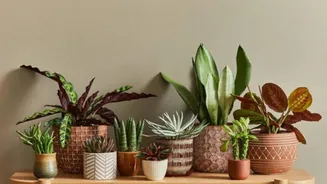
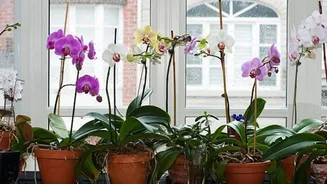
When multiple plants are housed in close proximity, as is common in many indoor gardening setups, the problem of fungus gnats can extend beyond a single affected plant. Gnats are mobile and will spread to other suitable environments. If you have several plants with similar watering needs grouped together, the entire area, such as a windowsill or shelf, can become a widespread breeding ground. A treatment focused on just one plant will likely be insufficient if other nearby plants continue to offer favorable conditions. Therefore, it is essential to assess all plants in the vicinity, not just those showing obvious signs of infestation. A comprehensive approach that addresses the environmental conditions across multiple plants is key to preventing the gnats from simply migrating to a neighboring pot and continuing their life cycle.
Long-Term Prevention
Once you've successfully managed an active fungus gnat infestation, the focus shifts to maintaining a preventative approach to ensure they don't re-establish themselves. The most effective preventative measure involves adopting more mindful watering habits. Ensure that the top one to two inches of soil in your pots dry out completely between waterings. Critically, avoid letting your plants sit in saucers filled with standing water, as this creates the perpetually damp conditions that gnats favor. If you currently use a potting mix that is particularly rich and organic, consider transitioning to a soil blend that offers improved drainage. These adjustments are not drastic renovations but rather subtle shifts in routine care that cumulatively make your houseplants a consistently less appealing habitat for fungus gnats to begin their reproductive cycle anew. Patience and consistent attention to the soil's moisture levels are far more rewarding than reactive pest control measures.