


Pressure Cooker Power
In today's scenario where LPG cylinder availability can be unpredictable, embracing the pressure cooker is a game-changer for Indian households. This culinary
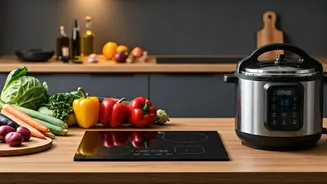
tool dramatically cuts down cooking times, often by as much as 50%, translating directly into reduced LPG consumption. Dishes that would typically simmer for extended periods on an open flame can be prepared in a fraction of the time, often within 10-15 minutes once the cooker reaches pressure. This efficiency is crucial for managing kitchen resources and ensuring meals are prepared promptly, even during supply disruptions. By trapping steam and increasing pressure, the cooker facilitates faster heat transfer, tenderizing ingredients and reducing the overall energy needed for cooking.
Smart Cooking Habits
Beyond using a pressure cooker, several daily habits can contribute to LPG conservation. Always ensure your cooking vessel's bottom is clean; dirt and grime can hinder efficient heat transfer, forcing you to use higher flame settings for longer. Furthermore, maintain a flame that is confined to the bottom of the pot, avoiding flames that lick up the sides, as this is a direct indicator of wasted gas. Cooking with a lid is paramount, as it traps heat and steam, significantly reducing cooking duration and preventing moisture loss. Avoid open-vessel cooking whenever possible; covering your pots and pans minimizes the time your stove needs to be on, thereby saving precious LPG.
Dish Ideas Simplified
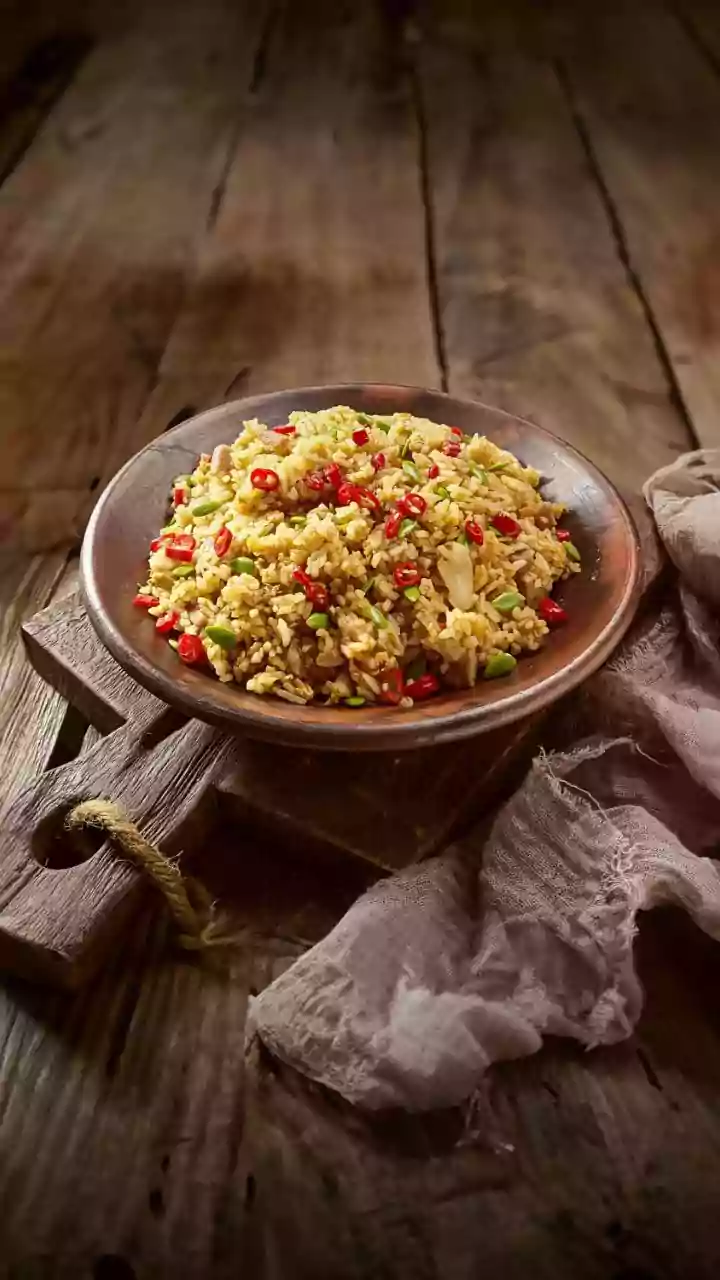
Let's explore five everyday dishes that benefit immensely from pressure cooker cooking. Dal Tadka, a staple in many Indian homes, transforms from a lengthy simmering process to a quick meal in under 15 minutes. Similarly, Lauki ki Sabzi, which can take over 30 minutes on an open flame, is tender and flavourful in a pressure cooker within 10-15 minutes. For Rice, cooking it in a cooker with 1.5 cups of water for 1 cup of rice, after soaking, takes just 7-9 minutes post-whistle, halving open-pot cooking time. Rajma, notorious for its long cooking hours, becomes tender and ready for curry in about 9-12 minutes after pressure cooking soaked beans. Kathal ki Sabzi, often requiring 30-35 minutes of open-flame cooking, can be prepared within 10-15 minutes using a pressure cooker, yielding a more tender result.
Burner Maintenance Matters
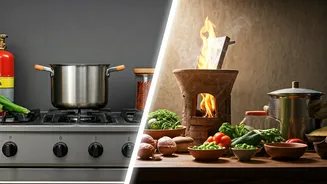
The efficiency of your LPG stove is also linked to its upkeep. A clean burner ensures an optimal blue flame, indicative of complete combustion and maximum heat output. If your burner exhibits a red, orange, or yellow flame, it's a clear sign that it needs cleaning. A monthly cleaning routine, perhaps using a mixture of lukewarm water and baking soda, can effectively remove soot and debris. This simple maintenance task ensures that the flame is precisely directed at the base of the utensil, maximizing heat transfer and minimizing wastage. A well-maintained burner contributes significantly to overall LPG efficiency, making your cylinders last longer.
Ingredient & Water Ratios
A common pitfall leading to increased LPG usage is improper measurement of ingredients and water. When cooking, especially in an open vessel, adding too much liquid relative to solid ingredients necessitates longer cooking times to evaporate the excess moisture. This extended duration directly translates to higher LPG consumption. Always measure your ingredients and the corresponding amount of water carefully. Adhering to recommended ratios not only speeds up the cooking process but also helps retain the natural flavors and nutrients of the food. By being precise with your measurements, you avoid unnecessary cooking time and conserve LPG.