




Beyond Old Perceptions
For many, traditional Indian wear like sarees and accessories such as bindis and bangles were once associated with older generations or seen as hindrances
to modernity. Growing up, ethnic attire often carried the 'behenji' stereotype, implying a lack of trendiness, while contemporary fashion leaned heavily towards Western styles. Even when Bollywood showcased elegant traditional looks, they rarely translated into everyday wear for those navigating Westernized youth culture. This created a disconnect, where millennials, caught between nostalgia and digital trends, often felt these adornments were loaded with societal expectations, making them feel overtly mature or only suitable for specific life stages like weddings. Consequently, for many, opting for jeans and crop tops became the norm, even for festive occasions, to align with perceived modernity.
The 'Chatpata' Revolution
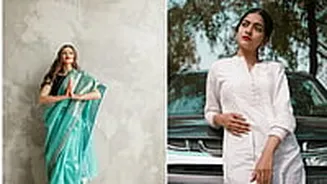
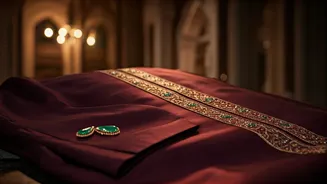
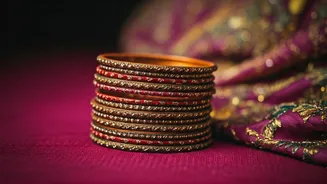
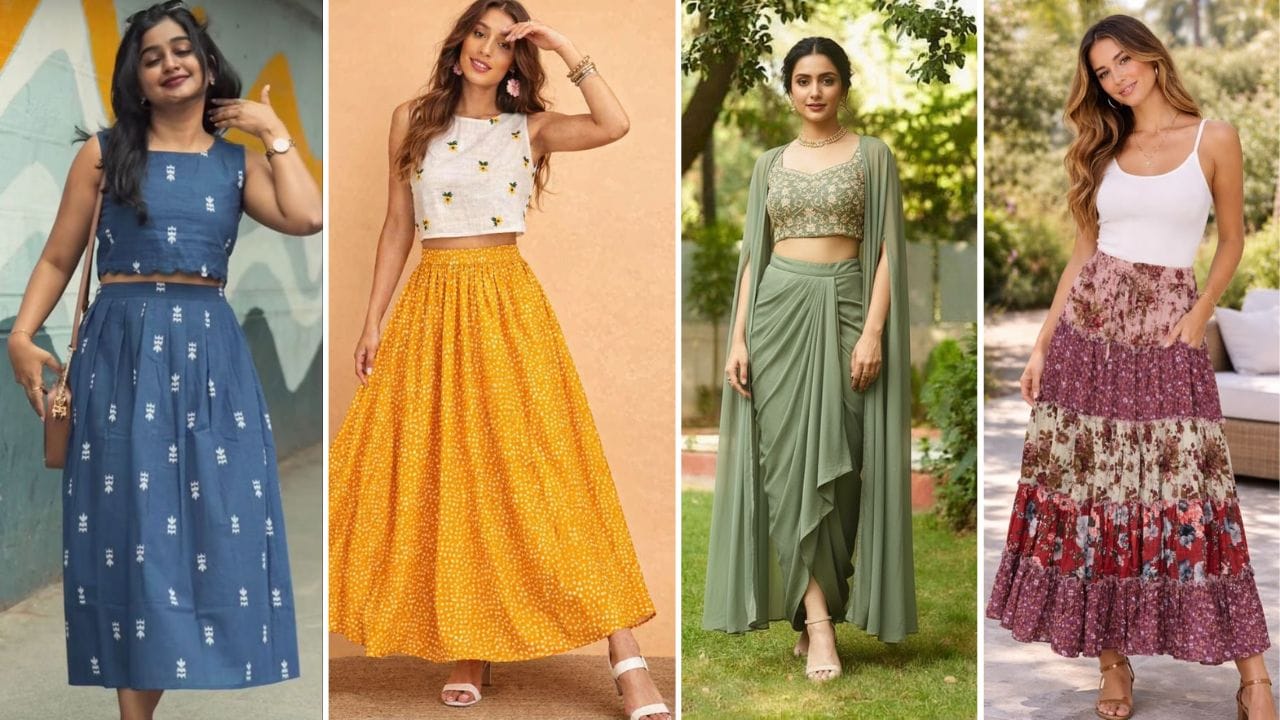
The advent of social media has catalyzed a significant fashion renaissance, breathing new life into Indian textiles and traditional garments. Elements that once seemed confined to dusty archives—kurtas, sarees, bindis, bangles, and jhumkas—are now being rediscovered and reinterpreted with a contemporary edge, much like giving old books fresh, appealing covers for a new audience. This trend has even caught the eye of global fashion houses, with brands like Ralph Lauren and Prada incorporating Indian motifs and pieces into their collections. Many Gen Z individuals, inspired by their mothers' confident use of these items, are embracing them without the historical baggage that once made them feel constrained. This generation views these traditional items not as relics, but as vibrant tools for self-expression and individuality, challenging the former dichotomy between tradition and modernity.
Pop Culture & Personal Style
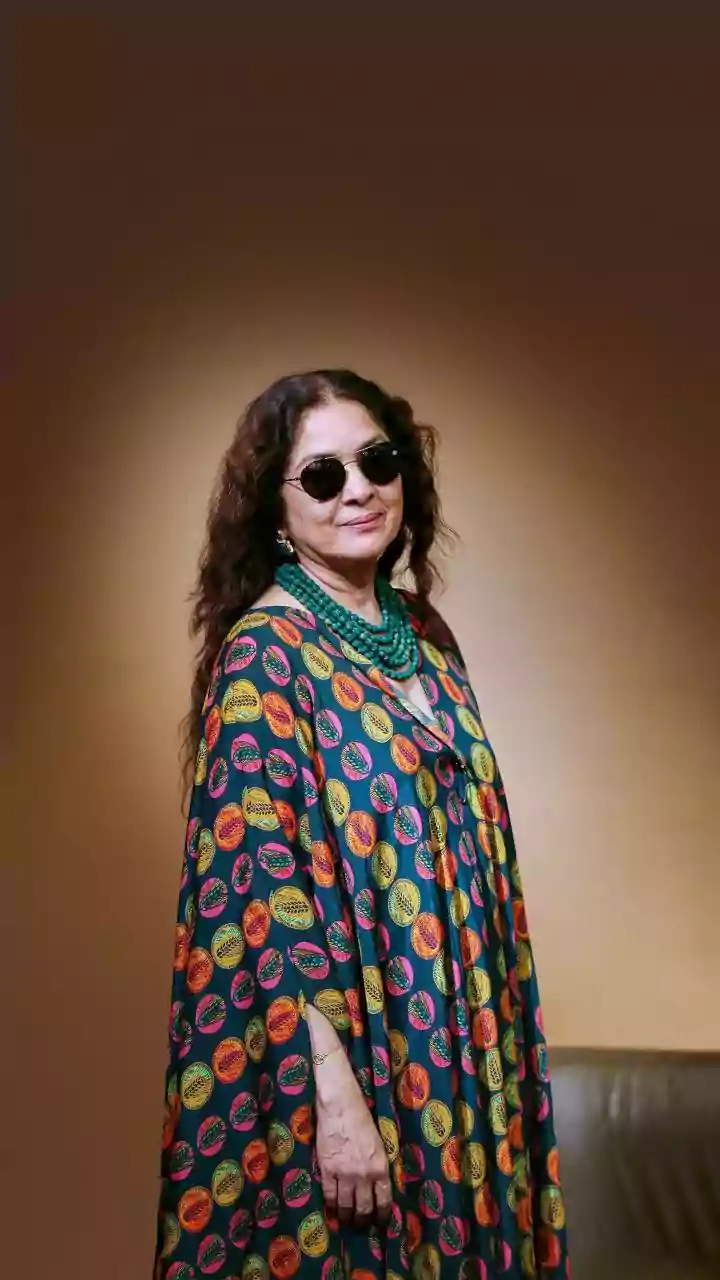
Influences from popular culture and relatable real-life figures have profoundly shaped Gen Z's perspective on traditional Indian wear. The portrayal of Deepika Padukone in 'Piku', where she donned bindis and cotton kurtas as everyday attire, resonated deeply, showcasing a natural and unapologetically real femininity. Similarly, observing powerful women in real life, like professors or aunts who consistently wore sarees with an air of authority, offered alternative role models. This generation is actively forging their own 'desi core' aesthetic, moving away from mere imitation. They're merging Western staples with Indian accessories like juttis, bindis, and bangles, and repurposing traditional kurtis into modern halter necks and corset tops. This approach is not about replicating trends but about curating a unique style that feels authentic and personally meaningful.
Rebellion Through Tradition
For many in Gen Z, embracing traditional accessories like bindis and bangles is an act of rebellion and cultural assertion, infused with a playful defiance. They are styling these elements in bold, unexpected ways, pairing bindis with shorts and mini skirts, or even bikini tops, creating a striking visual statement that merges cultural heritage with a contemporary, edgy attitude. This generation views fashion as a fluid space, unafraid to mix influences and express individuality. Brands are responding by collaborating with artisans and showcasing traditional fabrics and prints in modern silhouettes, catering to a youth that is less interested in rigid fashion rules and more focused on integrating Indian elements into their everyday personal identity. This marks a departure from millennials who often approached Indian fashion primarily for special occasions.
Emotional Anchors in a Digital Age
The current resurgence of traditional Indian accessories like bindis, bangles, and sarees reflects a deeper psychological need for cultural grounding in an increasingly digital and fast-paced world. Experts suggest that these elements provide a sense of continuity, familiarity, and emotional stability, helping young individuals navigate identity complexities. They connect people to their heritage and memories, serving as anchors that foster a feeling of authenticity and belonging. Unlike previous generations that might have seen tradition and modernity as conflicting, Gen Z is comfortable integrating both, viewing them not as opposites but as complementary facets of their identity. This intentional and creative engagement with heritage allows them to express themselves in a way that is both rooted and contemporary, moving beyond obligation-based dressing towards personal meaning.