




Why Orange Peels?
Many of us discard orange peels without a second thought, but these vibrant skins are a treasure trove of beneficial compounds for our skin. They are particularly
rich in natural Vitamin C, a powerful antioxidant that plays a crucial role in combating free radicals. These unstable molecules can accelerate the skin's aging process, leading to fine lines and dullness. By neutralizing them, the Vitamin C in orange peels helps to protect the skin. Furthermore, this natural compound is vital for stimulating collagen production, the protein responsible for skin's firmness and elasticity. A boost in collagen can lead to smoother, plumper-looking skin, reducing the appearance of wrinkles and contributing to a more youthful complexion. This makes orange peels an exceptional, readily available ingredient for at-home skincare concoctions aimed at achieving a brighter and more revitalized appearance, all while minimizing waste.
Essential Ingredients
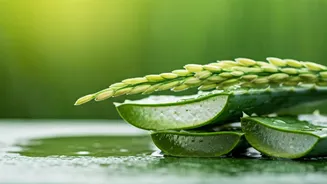
To craft this nourishing serum, gather a few accessible items. You'll need 2 to 3 organic oranges; opting for organic is key to avoiding potential pesticide residues that might be present on conventionally grown fruit. Complementing the orange peels is 2 tablespoons of rose water, which acts as a gentle solvent and adds a soothing aroma. If rose water isn't available, distilled water can be used as a substitute. Essential to the serum's hydrating properties is 1 tablespoon of pure aloe vera gel, serving as a smooth, calming base. For enhanced moisture retention, incorporate ½ teaspoon of vegetable glycerin, a humectant that draws water into the skin. Lastly, add the contents of 2 Vitamin E capsules; this oil provides an additional antioxidant punch and helps to extend the serum's shelf life by delaying oxidation, ensuring its efficacy for longer.
Crafting The Serum
The process begins with preparing the orange peels. Thoroughly wash your organic oranges and carefully peel them, endeavoring to remove as much of the bitter white pith as possible, as this can impart an unpleasant taste and texture. Spread the peels flat on a tray and allow them to dry completely; this can be achieved by sun-drying for a few days or gently baking them in an oven at its lowest setting for an hour or two. Once dry, blitz the peels into a super-fine dust using a grinder. It's important to sieve this powder next to eliminate any gritty particles, ensuring a smooth final product. Next, in a small bowl, combine one tablespoon of your freshly ground orange peel powder with about two tablespoons of rose water. Cover this mixture and let it steep for 4 to 6 hours; this steeping period is crucial for extracting the water-soluble Vitamin C. Strain the liquid through a cheesecloth or coffee filter, squeezing out all the infused liquid and discarding the pulp. Finally, combine this orange-infused liquid with the aloe vera gel and vegetable glycerin in a clean bowl. Pierce the Vitamin E capsules and squeeze their oil into the mixture. Whisk everything vigorously until the aloe vera gel is fully incorporated and the serum has a slightly cloudy, gel-like consistency.
Storage and Use
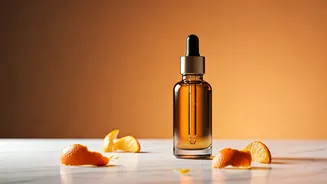
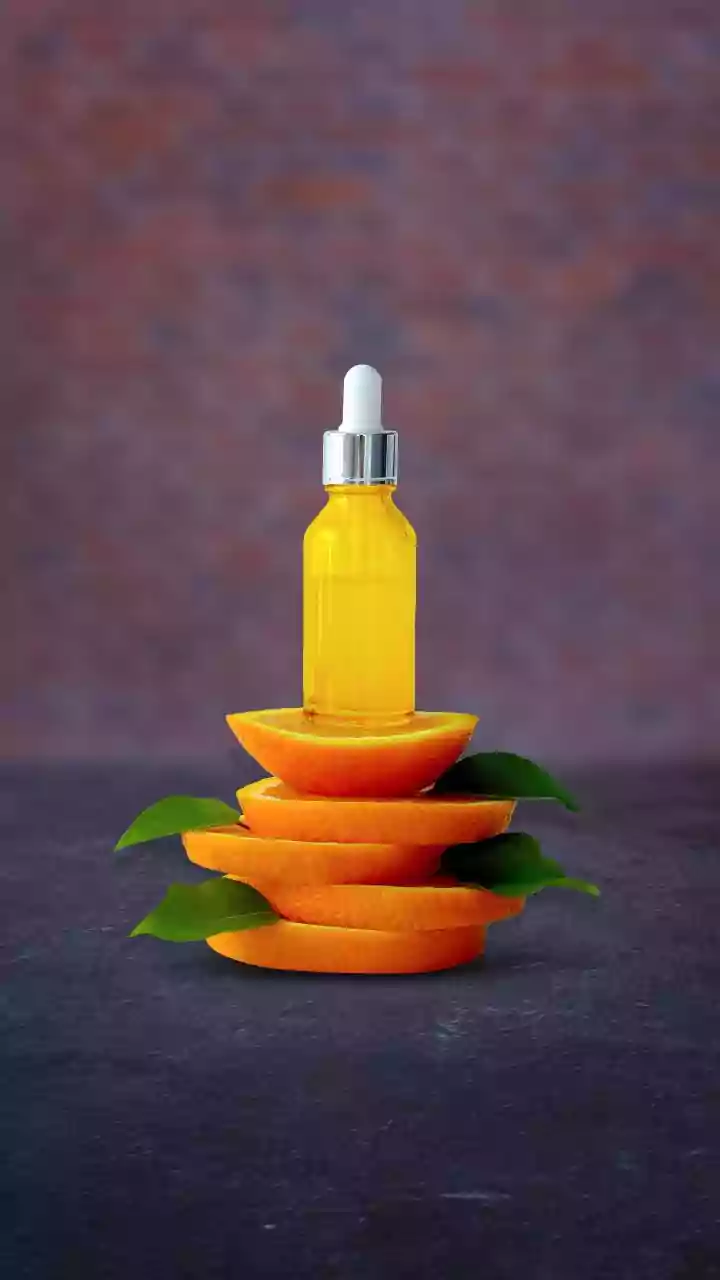
For optimal preservation of your homemade serum, it's crucial to store it correctly. Transfer the finished product into a dark glass dropper bottle, such as amber or cobalt blue. The dark glass protects the sensitive Vitamin C from degradation caused by light exposure. Since this serum is free from artificial preservatives, it must be kept refrigerated to prevent the growth of mold and bacteria. When it’s time to apply, cleanse your face thoroughly and then dispense 3-4 drops of the serum onto your fingertips. Gently massage the serum into your skin using upward strokes. Following this step, apply your regular moisturizer to lock in the benefits. If you choose to use the serum in the morning, applying a broad-spectrum sunscreen afterward is absolutely mandatory. Vitamin C can increase your skin's sensitivity to UV radiation, and unprotected sun exposure will quickly diminish the antioxidants you've just applied, potentially leading to sun damage.
Realistic Expectations
While embarking on DIY skincare is an exciting venture, it's essential to maintain realistic expectations regarding its efficacy and longevity. Natural Vitamin C, especially when derived from home preparations, is inherently unstable and prone to oxidation. If your serum develops a dark yellow or brown hue, or if it starts emitting an off-putting smell, this indicates it has oxidized and should be discarded immediately. To ensure you're using a potent product, it's advisable to prepare fresh batches every 7 to 10 days. Moreover, it's important to understand that a homemade, water-based extract like this will not penetrate the skin barrier as deeply as professionally formulated clinical serums. Its primary benefits are surface-level, offering a lovely brightening effect and a hydration boost. For those with sensitive skin, always perform a patch test on your jawline at least 24 hours before applying the serum to your entire face to check for any adverse reactions.