


Understanding Chemotherapy Reactions
Chemotherapy drugs are potent agents designed to combat cancer cells, but the body's response can sometimes be unexpected, leading to allergic or hypersensitivity
reactions. These are not uncommon, especially with certain medications administered repeatedly over several treatment cycles. Dr. Jeyhan B. Dhabhar, a medical oncologist, explains that the body's immune system may begin to identify the chemotherapy drug as a foreign substance, triggering an exaggerated defensive response. This can manifest in various ways, from mild symptoms like itching, skin rashes, and flushing to more serious issues such as swelling, a sudden drop in blood pressure, chest tightness, or significant breathing difficulties. Interestingly, it's noted that some individuals tolerate a drug well initially, only to develop reactions after undergoing multiple treatment sessions. The likelihood of such a reaction is influenced by the specific chemotherapy drug used, the individual's immune system, and their previous exposure to the medication, according to Dr. Utkarsh Ajgaonkar, a consultant surgical oncologist.
Adapting Treatment Plans
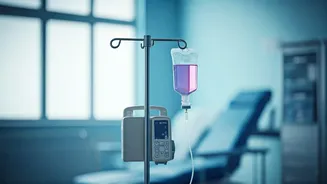
Managing chemotherapy involves meticulous adjustments to ensure patient safety and treatment efficacy. When allergic reactions emerge, oncologists have strategies to adapt. Dr. Dhabhar highlights that experienced oncology teams can significantly mitigate side effects through precise drug dilution, appropriate infusion rates, vigilant monitoring, and the administration of supportive medications. In instances where a drug causes adverse reactions, Dr. Ajgaonkar notes that patients are often transitioned to an 'alternative chemotherapy plan' that is both safer and better tolerated. This approach underscores the highly personalized nature of modern cancer care, where specialists collaborate to strike a balance between treatment effectiveness and patient well-being. Immediate reporting of any unusual symptoms during or after chemotherapy is crucial for timely intervention and management.
Supportive Care and Alternatives
The journey of cancer treatment often necessitates supportive measures to manage potential side effects. Pre-medications, including injections and medicines given before chemotherapy, play a vital role in preventing immediate adverse effects such as allergic reactions, nausea, vomiting, and mouth sores. Similarly, post-chemotherapy medications are prescribed to aid patient recovery and minimize delayed side effects. The precise timing, dosage, and combination of these supportive drugs are critical for enhancing tolerance to treatment. Importantly, an allergic reaction to one chemotherapy drug does not signal an end to cancer treatment. Dr. Dhabhar reassures that contemporary oncology provides numerous alternative options and methods to safely continue treatment. Depending on the specific cancer type, the patient's overall health, and their previous response, oncologists might opt for a different chemotherapy agent, adjust the dosage, slow down the infusion rate, or switch to a weekly regimen that might be more manageable.
Personalized Oncology Journey
Cancer treatment is rarely a straightforward path; it often requires ongoing modifications based on how a patient's body responds over time. Close observation and prompt communication of symptoms during chemotherapy are paramount. Signs such as sudden itching, dizziness, chest discomfort, or difficulty breathing should immediately alert the medical team, enabling early intervention. With advancements in medical oncology, treatments are now highly individualized. Even if one medication needs to be discontinued, a variety of effective alternatives are typically available, allowing patients to continue their cancer treatment journey safely and productively, as confirmed by Dr. Dhabhar. This personalized approach ensures that treatment remains effective while prioritizing the patient's comfort and safety.