




Privacy on a Dime
Many individuals find themselves in situations where immediate privacy is a necessity, but the budget for traditional window treatments like curtains is unavailable.
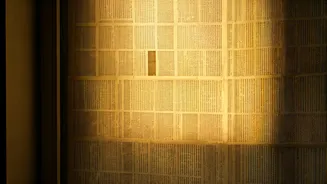
This is particularly common for students in dormitories, renters in city apartments, or homeowners undergoing renovations. While plastic blinds might seem like a quick fix, a growing number of resourceful people are turning to a more unconventional, yet historically relevant, material: newspaper. This approach revives an old-world technique, transforming everyday newsprint into a functional and aesthetically interesting window covering. Historically, paper was a common material for interior decoration, valued for its ability to diffuse light and add subtle patterns. Today, this trend takes on a more modern, industrial edge, with the stark typography and monochrome palette of newsprint lending a unique charm. It's a creative way to achieve privacy without significant expenditure, tapping into a resource that's often readily available.
Climate Control Benefits
Beyond mere privacy, employing newspapers on windows offers significant environmental and thermal regulation advantages. Windows are notoriously inefficient in controlling indoor temperatures, acting as conduits for both heat loss in colder months and solar heat gain during warmer periods. By applying newspapers, a rudimentary yet effective insulating barrier is created. This layer traps a small pocket of still air, which helps to minimize heat transfer. Research indicates that interior window treatments can substantially reduce the flow of energy between indoor and outdoor environments by disrupting air convection loops. The U.S. Department of Energy supports the efficacy of temporary window coverings, confirming their ability to decrease solar heat gain in summer and provide added thermal resistance in winter. This method allows renters and homeowners to manage their indoor climate more effectively without resorting to permanent alterations like drilling or complex installations, making it an ideal solution for those seeking adaptability and cost-effectiveness.
Effortless Application
The convenience factor of using newspapers as an insulating agent cannot be overstated. This DIY approach requires no specialized tools or skills; there's no need for sewing machines, precise measurements, or power drills. The large, uniform sheets of newspapers make covering broad window areas a straightforward and quick process. This accessibility is a key reason for its appeal to those seeking immediate, practical solutions. Furthermore, environmental advocacy groups emphasize the importance of using biodegradable materials, and recycled paper fits this criterion perfectly. Replacing plastic blinds with newspaper is not only an economical choice but also reduces potential chemical exposure within the home, contributing to better indoor air quality. This method aligns with a growing trend towards sustainable living and mindful consumption, demonstrating that practical solutions can also be environmentally responsible.
Creative Styling Potential
For individuals with a creative inclination, newspapers offer a versatile canvas for window decoration. The amount of natural light entering a room can be precisely controlled by how the newspaper is arranged. For instance, denser sections filled with text, like financial pages, can create a cozier, more secluded atmosphere. Conversely, using broadsheets can allow for more light and a sense of openness. Some enthusiasts even go a step further, crafting unique "quilted newspaper" designs using clear tape, adding a personal and artistic touch to their windows. This adaptability transforms a basic necessity into an opportunity for self-expression. Ultimately, the practice of using newspapers for windows highlights the value of immediate, achievable solutions, resonating with students, tenants, and budget-conscious households who desire a personalized and comfortable living space without long waiting periods. It encourages embracing a practical heritage, saving money, and ensuring privacy.