






The Hidden Electrical Hazard
Many might dismiss the warning about showering while a washing machine runs as a quirky piece of advice, perhaps related to water temperature fluctuations
or minor plumbing issues. However, the reality is far more perilous, involving a dangerous interplay between water and what's known as 'leakage current.' Even minute amounts of electrical leakage from your washing machine can become a significant hazard. This stray electricity can travel through your home's shared plumbing system, and if you're in the shower, your body could inadvertently complete the electrical circuit to the ground. This scenario transforms ordinary plumbing into a potential conductor of dangerous currents. Proper electrical grounding and the use of Ground Fault Circuit Interrupters (GFCIs) are critical safety measures. Without them, metallic pipes can become energized, electrifying every wet surface in your bathroom. Ensuring all appliances are professionally connected to a common grounding point is paramount to prevent metal pathways from becoming lethal conduits when appliances are in use.
Electrifying Showers Explained
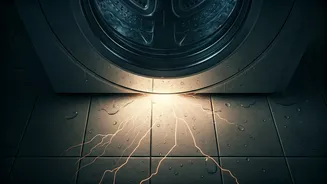
The danger isn't solely attributed to faulty plumbing installations; electrical grounding faults play a significant role. Washing machines, due to their substantial weight and operation, experience considerable vibration. Over time, this can lead to the breakdown of internal wiring. If a live electrical wire comes into contact with the machine's chassis or the wet components of the pump, the electrical current doesn't remain contained. Instead, it can travel through discharged water, making its way into your home's copper pipework or even common sewer systems. Water, especially with the minerals and detergents present in washing machine discharge (greywater), acts as a highly conductive medium. If you happen to be in the shower when this electrified greywater is discharged, it can create a hazardous pool of energized water on your shower floor, posing a severe threat to your well-being.
The Crucial Waiting Period
To mitigate these risks, it's advisable to observe a safety buffer of at least 30 to 40 minutes after your washing machine indicates the cycle has finished. This waiting period serves a dual purpose. Firstly, it allows ample time for any residual water to fully drain from the machine and its hoses. Secondly, and more importantly, it permits the entire electrical system connected to the appliance to safely power down and cool. Even after the drum has ceased its motion, moisture may linger in areas close to the motor or within the discharge hoses, which can still facilitate the flow of electricity. Granting this time for the pipes to completely empty and the machine's internal components to cool down helps to sever any potential physical connection between your laundry area and your bathroom, effectively neutralizing the risk of electrical transfer.