



Pore Basics Unveiled
Our skin is dotted with countless tiny openings, known as pores, which are fundamental for skin health. These minuscule gateways are responsible for releasing
sebum, our skin's natural oil, and sweat. This vital process helps to keep our skin adequately moisturised, regulates body temperature, and contributes to overall skin clarity. However, when these pores become noticeably enlarged or get obstructed, they can lead to various skin concerns, necessitating a tailored approach to skincare. The primary challenge often lies in accurately identifying the type of pore issue one is dealing with to implement the correct management strategies.
Identifying Open Pores
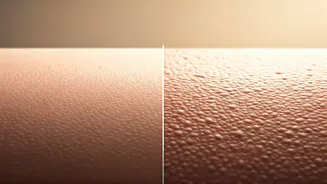
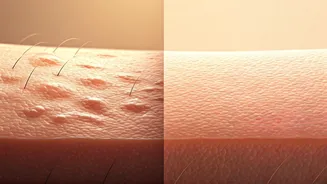
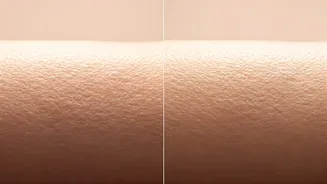
Open pores are essentially enlarged or highly visible pores that stand out on the skin's surface. They typically manifest as small, discernible indentations or pits, most commonly appearing on areas like the cheeks, forehead, and nose. A tell-tale sign of open pores is an excessively shiny or greasy skin appearance, often a consequence of heightened sebum production. Blackheads are a frequent culprit, as the trapped oil and dead skin cells within them become oxidised, leading to the pore's visible widening. Factors contributing to this condition include the accumulation of cosmetic products, damage from sun exposure, inherent genetic predispositions, an overproduction of oil, and the natural ageing process that diminishes skin elasticity.
Understanding Closed Pores
Conversely, closed pores are characterized by blockages beneath the skin's surface, often concealed by a thin layer of epidermis, which prevents sebum from freely reaching the skin's exterior. Instead of visible openings, you might observe small bumps, commonly referred to as whiteheads or closed comedones. These trapped pores can lead to a rough and uneven skin texture, altering the overall feel of your complexion. This phenomenon arises when excess oil becomes trapped beneath the skin, combined with a buildup of dead skin cells. Hormonal fluctuations and the extensive application of heavy skincare products can also contribute significantly to the occurrence of closed pores.
Managing Open Pores
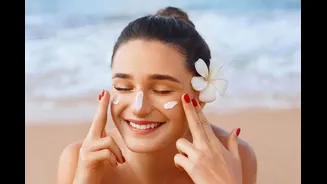
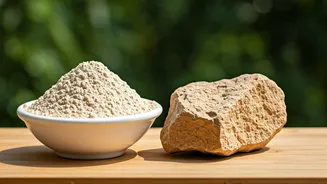
To effectively manage enlarged pores, a consistent and gentle skincare regimen is crucial. Begin by cleansing your face twice daily with a mild cleanser to eliminate excess oil without stripping the skin. Incorporate skincare ingredients like salicylic acid or niacinamide, known for their ability to regulate sebum production and reduce pore visibility. Applying a clay mask or Multani Mitti (fuller's earth) twice a week can help absorb excess oil and impurities. Crucially, never skip sunscreen; UV rays degrade the skin's elasticity, which exacerbates pore enlargement over time, so protecting your skin from sun damage is paramount for maintaining pore size.
Tackling Closed Pores
Addressing trapped pores requires a focus on exfoliation and promoting cell turnover. Daily exfoliation using chemical exfoliants like Alpha Hydroxy Acids (AHAs) and Beta Hydroxy Acids (BHAs) is highly recommended to clear out blockages. Avoid using heavy creams or occlusive products that can further clog pores. Introducing retinoids into your routine can significantly aid in accelerating skin cell turnover, helping to shed dead skin and prevent future blockages. Maintaining a diligent cleansing routine is essential to prevent product buildup. For a natural approach, consider DIY remedies like applying curd (yogurt), which acts as a gentle exfoliant, removing dead skin cells while simultaneously soothing the skin.