




The Silent Arrival
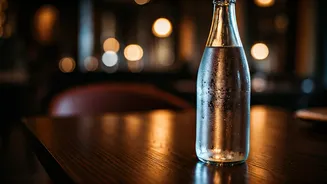
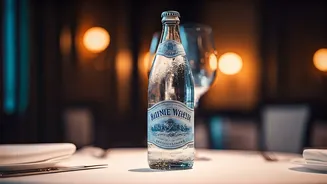
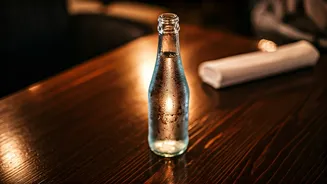
A common sight in dining establishments across India involves the automatic placement of a bottled water container on the table as soon as patrons are
seated. This practice, often overlooked, has recently sparked a lively online discussion, prompting many to question the reasoning behind it. A Mumbai-based entrepreneur brought this subtle yet impactful habit to the forefront, with his observations resonating widely. He pointed out that this wasn't always the norm. Previously, basic mineral water, often priced around Rs 15, was the standard offering. However, the landscape has shifted, with many restaurants now defaulting to more expensive options, frequently featuring premium brands or bottles costing upwards of Rs 60, appearing without explicit customer request. This shift highlights a deliberate strategy to influence consumer choices from the outset of the dining experience.
The Psychology of Default
The viral post delves into the psychological mechanisms at play when bottled water is presented as a pre-selected option. When an item is already present on the table, it subtly establishes itself as the default choice, requiring conscious effort from the diner to refuse or request an alternative. This inertia often leads individuals to accept the placed bottle, viewing the act of declining or asking for a more economical option, like RO water, as potentially awkward or inconvenient. The entrepreneur argues that a more transparent approach would involve a direct question: "Would you like regular RO water or bottled water?" Such a query would naturally bring awareness to the choice and its associated cost, potentially leading to reduced spending. By bypassing this direct question and quietly placing the bottle, restaurants effectively make the decision for the customer, steering them towards a more profitable outcome without overt pressure.
Diverse Reactions Online
The online community has responded to the viral post with a spectrum of opinions and experiences. Some users countered the notion of diners being passively influenced, asserting that customers possess the agency to refuse unwanted items and that the practice is simply a straightforward upselling tactic by restaurants. Others expressed concern, particularly for unsuspecting tourists, warning that certain establishments might exploit this strategy by placing items like water or snacks without asking and subsequently charging for them. A notable segment of commenters shared their personal strategies for handling this situation, with many advocating for directly requesting RO water, even if it means politely insisting. There's a prevailing sentiment among some that many patrons don't fully grasp the implications, opening the bottle out of habit or unacknowledged thirst, thereby inadvertently contributing to the restaurant's revenue streams through this 'marketing earning'.