

The Dominant Duo: Blue & White
A striking colour combination, blue and white, emerged as a defining palette at Lakmé Fashion Week 2026, proving its remarkable versatility. This pairing
was seen across numerous designer collections, offering a fresh perspective that moved beyond conventional nautical themes. The spectrum ranged from deep indigo hues infused into tailored ensembles and denim explorations to elegant evening gowns. Designers such as Payal Pratap utilized rich indigo in structured separates, while Abraham & Thakore presented architectural pieces and sari-inspired forms in this palette. AFEW by Rahul Mishra embraced the combination for sophisticated eveningwear, incorporating his signature detailed surfaces, and labels like Pawan Sachdeva and Péro by Aneeth Arora showcased entire collections built around indigo tones. This recurring colour story demonstrated a sophisticated and adaptable aesthetic that resonated throughout the event, proving its potential for both casual and formal occasions.
Fashion You Can Wear
The most significant transformation evident at Lakmé Fashion Week 2026 was the pronounced emphasis on creating clothing that is genuinely wearable. A multitude of collections featured pieces designed to transition effortlessly from the catwalk to a person's daily wardrobe, requiring minimal styling adjustments. Rahul Mishra, for instance, presented looks that expertly balanced intricate craftsmanship with approachable design. A notable example was actor Ananya Panday's appearance in a sharp blazer paired with a tennis-inspired skirt, embodying an aesthetic that was both polished and contemporary. Beyond this, designers like Abraham & Thakore, Verandah by Anjali Patel Mehta, and Satya Paul offered collections characterized by effortless refinement. The presentation of printed co-ord sets, flowing dresses, comfortable kaftans, and relaxed tailoring suggested a thoughtful approach to creating wardrobes suitable for real-life scenarios rather than solely for the spectacle of the runway, marking a pivotal shift in design philosophy.
Craft & Sustainability United
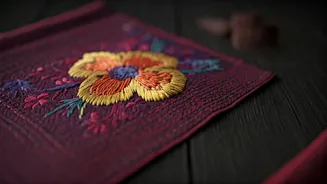
The integration of craftsmanship and sustainability was a pervasive theme throughout the week, presented not as separate entities but as intrinsically woven into the fabric of the design process. Rahul Mishra continued to champion hand embroidery and the use of natural fibres, reinforcing a production model that relies on artisan communities and a more deliberate pace of creation. Similarly, Péro by Aneeth Arora showcased handwoven textiles and relaxed silhouettes, proving that traditional craft techniques can be seamlessly incorporated into contemporary fashion for everyday wear. Other designers, including Kartik Research, extensively utilized handmade processes, employing layered textures, patchwork, and meticulous embroidery to underscore the inherent value of artisanal work. Even labels like Ritika Mirchandani demonstrated how sophisticated construction and structured forms could coexist with mindful production practices, achieving a strong visual impact. This focus on material longevity, small-scale production, and time-honoured techniques like block printing and weaving highlighted a broader commitment to thoughtful consumption and a more conscious fashion industry.
Dresses & Sculptural Forms
Flowing dresses and elegant gowns were a dominant feature on the runways, often distinguished by their sculptural qualities and impactful proportions. The bubble or balloon silhouette stood out as a particularly noteworthy shape this season, appearing in both dresses and skirts, expertly manipulating volume and creating a sense of dynamic movement. Aisha Rao, among other designers, explored bold shapes and expressive silhouettes through statement eveningwear, while other collections skilfully balanced structural elements with fluid grace. Anamika Khanna's 'White Gold' collection, celebrating two decades since her initial Lakmé Fashion Week presentation, featured garments meticulously crafted from handloom cotton and Chanderi. These dresses drew subtle inspiration from classical drapery, embracing a deliberately unfinished aesthetic. Complementing these were structured blazers and coats, adorned with intricate motifs that added a layer of subtle detail. The harmonious interplay between soft femininity and architectural structure resulted in silhouettes that were both visually arresting and remarkably attainable.
Menswear Takes Stage
Menswear commanded a significant presence this season, underscoring its escalating importance within the Indian fashion landscape. The opening showcase, aptly titled 'The Boys Club,' brought together a curated selection of designers including Countrymade, Dhruv Vaish, Vivek Karunakaran, and Sahil Aneja, each presenting their unique vision of modern menswear. The collections explored a wide spectrum, from innovative denim treatments and practical, utility-focused silhouettes to the incorporation of ceremonial textiles and intricate layering techniques, thereby expanding the visual vocabulary of men's fashion. Dhruv Vaish focused on structured designs and functional accessories, while Vivek Karunakaran reinterpreted traditional fabrics like tussar and Kanjeevaram silk through a contemporary lens. At AK|OK, Anamika Khanna introduced a collection characterized by fluid drapes and relaxed tailoring, prioritizing comfort over rigid forms. Kartik Research, meanwhile, showcased a line rooted in handcrafted processes and understated detailing. Crucially, many of these creations challenged traditional gender norms, with adaptable separates, relaxed silhouettes, and versatile tailoring suggesting a future where menswear and womenswear continue to converge more seamlessly.