






Why Protein Matters
Understanding the critical role of protein is the first step towards prioritizing it in your diet. This essential macronutrient is fundamental for muscle
development, repair, and overall bodily function, playing a key part in everything from tissue regeneration to the production of vital hormones and enzymes. Furthermore, protein significantly contributes to satiety, helping you feel fuller for longer, which can be a valuable aid in weight management. For adults, general recommendations for protein intake typically range from 0.8 to 1.2 grams per kilogram of body weight, with more active individuals often needing to aim for the higher end of this spectrum. For men, this translates to roughly 56 to 91 grams per day, while women may need between 46 to 75 grams, depending on their activity levels and health status.
Morning Protein Boost
Kickstart your day with a protein-packed breakfast that sets a positive tone for your nutritional intake. A fantastic option is a bowl of oats prepared with milk or yogurt, enhanced with a drizzle of honey, a sprinkle of chia seeds, and a handful of nuts. This combination not only makes for a delicious and filling meal but also contributes a substantial 20 to 25 grams of protein to your daily total, providing sustained energy and aiding in muscle maintenance from the very beginning of your day.
Vegetarian Lunch Power
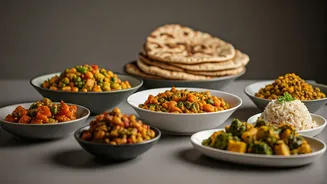
For a robust and satisfying vegetarian lunch that significantly contributes to your protein goals, focus on a well-rounded plate. Combine 100 grams of paneer with a generous portion of dal or chana, accompanied by your favorite green vegetables and a serving of rice, along with a side of dahi (yogurt). This carefully curated meal can easily deliver between 25 to 27 grams of protein, ensuring you're well on your way to meeting your daily target with delicious, plant-forward options.
Non-Veg Lunch Advantage
When opting for a non-vegetarian lunch, incorporating lean meats can effortlessly elevate your protein intake. Adding just 120 to 150 grams of chicken to your meal—alongside your regular accompaniments like vegetables and grains—can boost your protein count by an impressive 35 grams. This simple addition makes hitting your protein objectives remarkably straightforward without requiring extra effort or elaborate preparation.
Afternoon Protein Snack
Bridge the gap between lunch and dinner with a strategic afternoon snack designed to provide an additional protein boost. A protein shake is a convenient and effective choice, offering around 20 grams of protein. Alternatively, a natural protein-rich dessert can serve the same purpose, ensuring your body continues to receive essential amino acids throughout the day and helps maintain satiety until your evening meal.
Dinner Protein Completes
Conclude your day's protein intake with a well-balanced and protein-rich dinner. Consider meals featuring Khapli atta roti, a staple known for its lower gluten and higher protein content compared to regular wheat, paired with dal and a paneer sabzi. Finishing off with a serving of dahi further enhances the meal's protein profile. This combination ensures that you beautifully round off your protein goal for the day, making your evening meal both nutritious and satisfying.
Diversifying Protein Sources
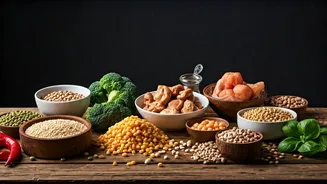
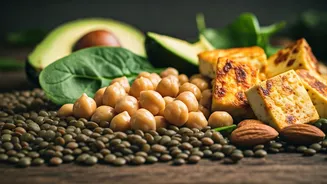
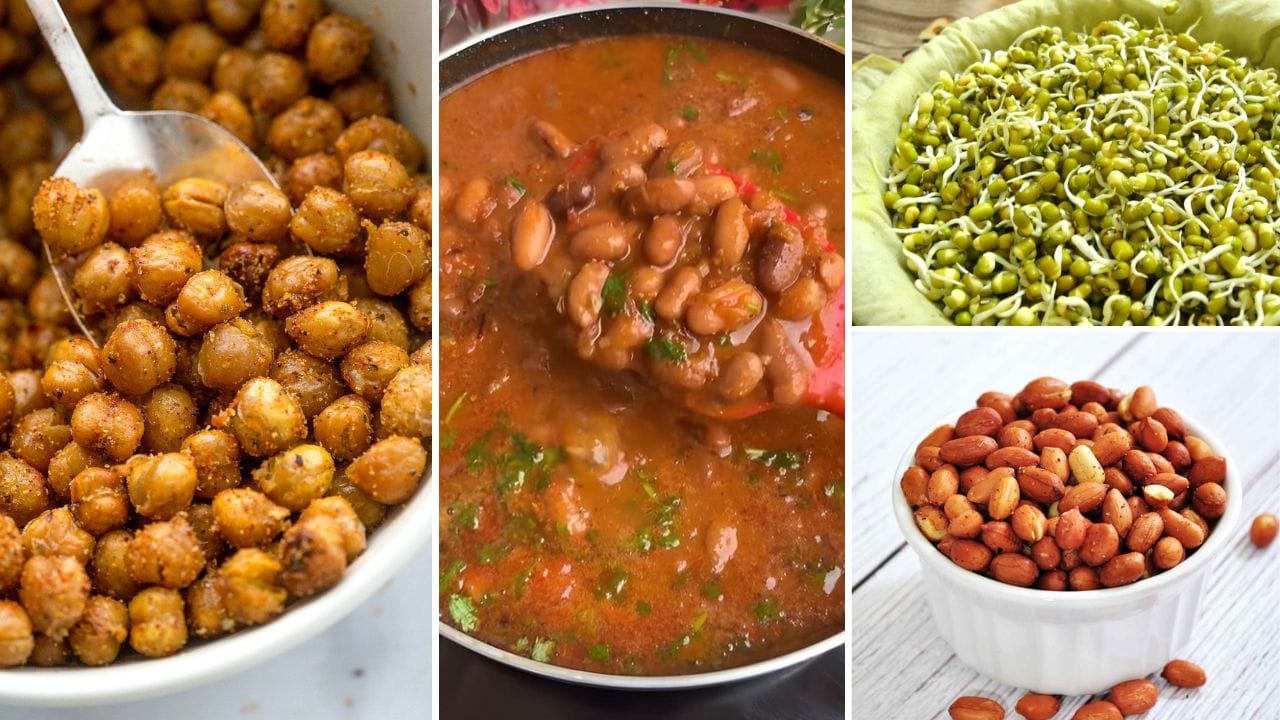
Achieving optimal protein intake involves a diverse range of sources, both animal and plant-based. While lean meats, poultry, and fish are renowned protein powerhouses, plant-based alternatives like beans, lentils, tofu, and quinoa are equally effective and vital for a comprehensive amino acid profile. Regularly including a variety of these foods ensures your body receives the full spectrum of essential amino acids crucial for myriad bodily functions. Protein supplements like shakes or bars can also be integrated strategically to complement your meal plan.
Important Health Considerations
While protein is essential, mindful consumption is key, especially for individuals with pre-existing health conditions. Excessive protein intake can place additional strain on the kidneys, particularly for those with kidney issues. High protein diets might also lead to increased calcium excretion, potentially impacting bone health. It's crucial to ensure adequate calcium intake through diet or supplements. Always consult with a healthcare professional to determine the protein intake that is best suited for your individual health needs and circumstances before making significant dietary changes.