

Chai's Crunchy Companions
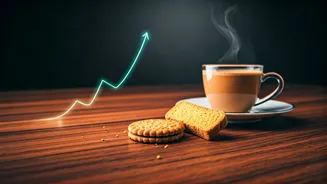
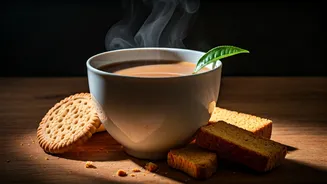
For many in India, the daily ritual of chai is incomplete without a crunchy delight. Biscuits and rusks are the quintessential partners to this beloved
beverage, offering a satisfying texture and taste. However, for individuals mindful of their glucose levels, these seemingly innocent treats can pose a significant challenge. Loaded with refined flour, added sugars, and unhealthy fats, these staples can covertly disrupt the body's natural sugar regulation, making them a point of concern for those managing their health.
Rusks vs. Biscuits: A Closer Look
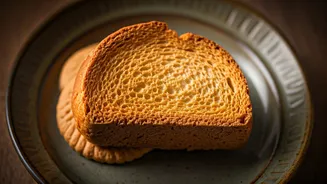
When comparing rusks and biscuits, the distinction in their impact on blood sugar is surprisingly minimal, according to endocrinologist Dr. Pranav Ghody. While plain rusks might be considered marginally less detrimental due to their lower fat content and drier nature, the difference is not substantial enough to warrant a significant preference. Both are predominantly crafted from refined flour, a component that readily contributes to rapid blood sugar elevation. The key takeaway is that portion control plays a far more critical role; consuming a single small rusk or biscuit instead of several makes a considerably larger positive difference than simply opting for one over the other.
The Refined Flour Culprit
The primary concern with most commercially produced biscuits and rusks lies in their core ingredient: maida, or refined flour. Dr. Ghody explains that refined flour is quickly metabolized by the body, leading to an immediate and sharp increase in blood sugar levels. This rapid glucose surge, often exacerbated by added sugars, creates a roller-coaster effect. A sharp spike is typically followed by an equally abrupt decline, triggering subsequent feelings of hunger and intense cravings. This cycle can perpetuate unhealthy snacking habits and contribute to volatile blood sugar management, posing long-term health risks.
Hidden Fats and Insulin Resistance
Beyond carbohydrates, the fat content in these snacks presents another considerable health concern. Dr. Ghody highlights that these fats are not merely empty calories; regular consumption can actively contribute to the development of insulin resistance. This condition impairs the body's ability to effectively utilize glucose, a significant factor in the onset of Type 2 diabetes and other metabolic disorders. Even products marketed as healthier alternatives, such as 'digestive' or 'lite' biscuits, often still contain substantial amounts of refined flour and unhealthy fats, underscoring the need for careful ingredient scrutiny.
Healthier Chai Accompaniments
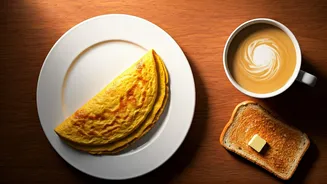
To enjoy chai without compromising blood sugar control, Dr. Ghody recommends shifting towards snacks rich in protein, fiber, or healthy fats. Excellent choices include a small portion of roasted chana (chickpeas), a handful of peanuts, makhana (fox nuts), or a slice of multigrain toast topped with peanut butter. A boiled egg is also a superb option, providing sustained fullness due to its protein content. These nutritious alternatives help to decelerate sugar absorption, mitigate post-meal glucose spikes, and curb later cravings. Furthermore, Dr. Ghody emphasizes the importance of moderating sugar in the chai itself, as even the healthiest snack cannot fully counteract excessive sweetness in the beverage.