




Understanding the Disruptions
Travellers embarking on European summer adventures in 2026 should brace themselves for considerable flight disruptions. Recent incidents saw over 230 flights
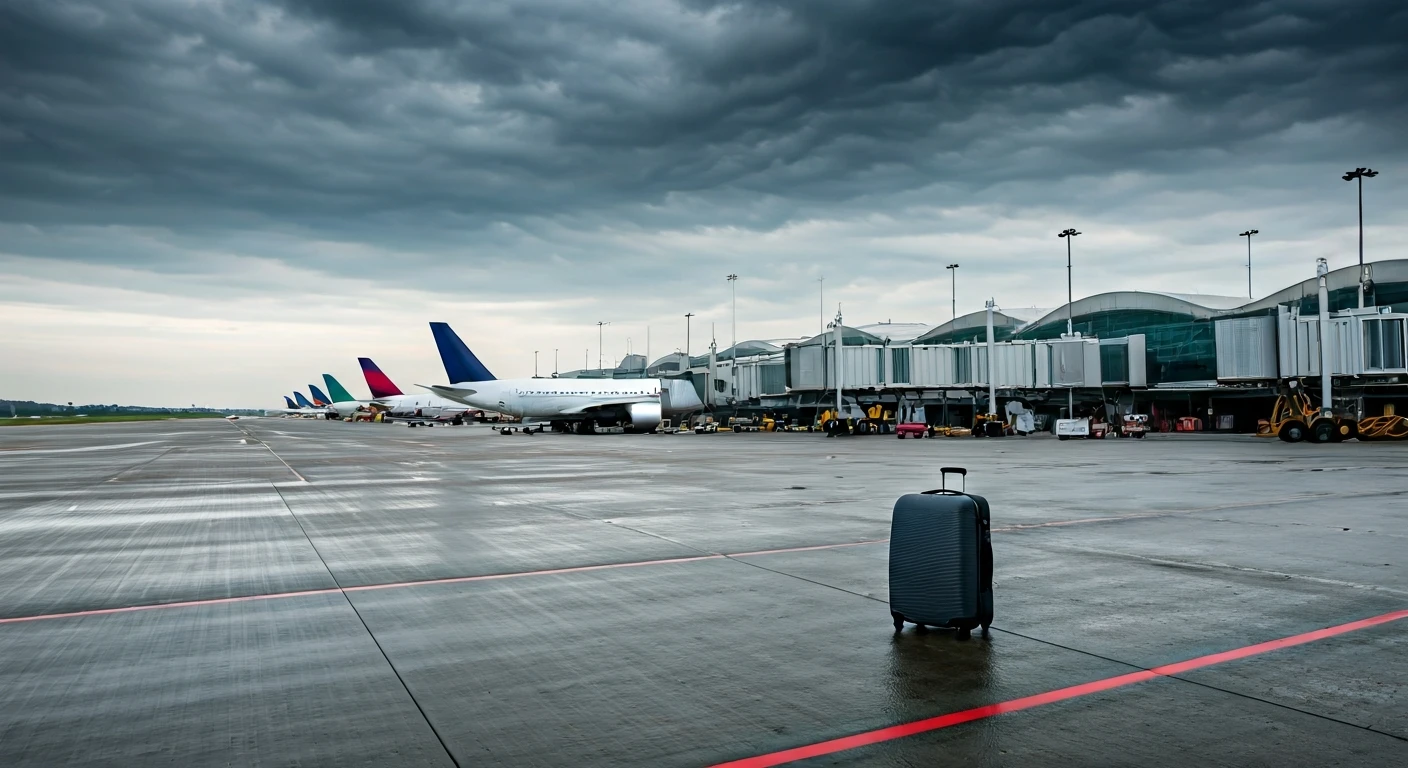
cancelled and more than 1,284 delayed across key European airports in Belgium, Portugal, Spain, Ireland, and Germany. Major carriers like Ryanair, KLM, Vueling, and Lufthansa have been affected, leading to thousands of passengers facing stranded situations in cities such as Brussels, Madrid, Porto, and Dublin. These ongoing issues highlight a critical strain on the European aviation sector, impacting numerous international and domestic journeys during peak travel periods and demanding heightened awareness from all potential passengers.
Root Causes of Chaos
The current wave of travel chaos stems from a confluence of factors. Labour strikes by airline and airport personnel, a persistent shortage of skilled staff, and issues with air traffic control systems are significant contributors. Compounding these operational challenges are escalating costs for airlines. Essentially, the aviation industry's recovery in Europe has outpaced its ability to rehire and retrain staff post-pandemic. This imbalance means airports and airlines are struggling to manage the surge in passenger demand with limited resources. Specifically, Germany and Spain have experienced substantial impacts, with Lufthansa-related strikes causing thousands of flight disruptions in April and May, and ongoing air traffic control disputes affecting numerous Spanish airports.
Infrastructure and Weather Woes
Beyond staffing concerns, Europe's aging air traffic control network presents a substantial hurdle. Outdated infrastructure is increasingly susceptible to weather-related delays, a trend that has been steadily rising. Budget airlines, such as Ryanair and Vueling, which operate on tight schedules with minimal buffer time between flights, are particularly vulnerable to these weather-induced problems. Furthermore, severe weather events themselves, including multiple storms experienced in Portugal, Spain, and Germany this year, have caused widespread issues such as flooding and rail line closures, directly impacting airport operations and consequently, tourism.
Financial Pressures and Traveler Impact
Airlines are also grappling with mounting operational expenses. The cost of aviation fuel has surged, alongside increases in airport taxes and security charges, placing significant financial strain on carriers. For Indian travelers, this translates into a heightened need for vigilance. It is crucial to closely monitor airline applications for any updates, especially when flying with low-cost carriers that often have less flexibility. Keeping abreast of potential weather events across Europe is also advisable. Additionally, Indian nationals should be aware of Europe's new Entry/Exit System (EES), a biometric border control system being rolled out across the Schengen Area, which may contribute to longer queues and processing times at airports, further exacerbating potential delays.