






Nature's Laundry Basket
Long before the advent of synthetic cleaning agents, communities across India ingeniously utilized the power of nature to keep their garments clean. Among
the most remarkable of these natural cleansing agents were Reetha and Hingot. These fruits, rich in naturally occurring plant compounds, possess inherent properties that mimic the action of soap when combined with water. This made them an exceptionally eco-friendly choice for laundry. Remarkably, in certain rural areas of Madhya Pradesh and Uttar Pradesh, these traditional practices persist, with villagers continuing to rely on these natural fruits for their washing needs, thereby embracing a sustainable lifestyle free from chemical products. This resurgence of ancient wisdom is now gaining traction as a pathway towards a more environmentally responsible way of living.
Reetha: The Soap Nut
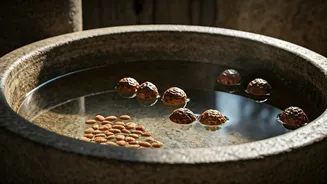
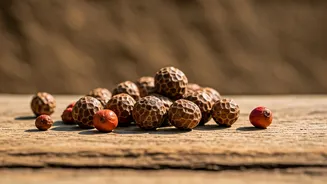
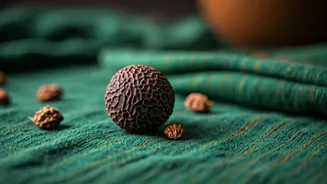
Reetha, widely recognized as the 'soap nut,' is the dried fruit derived from the Sapindus Mukorossi tree. The outer shell of this unassuming fruit is a treasure trove of saponins, which are natural surfactants. When Reetha comes into contact with water, these saponins generate a foamy lather capable of lifting and removing both oil and dirt from fabrics. Beyond its utility in laundry, Reetha has a long-standing tradition in Indian households as a hair-cleansing agent. Many women incorporate it into their weekly hair care regimen, attributing its use to achieving long, strong, and lustrous locks. Its dual functionality highlights its versatility and effectiveness as a natural product.
Hingot: Desert Date's Power
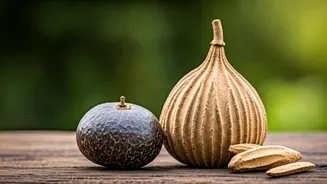
Hingot, also known by the name 'desert date,' is a fruit that thrives in the arid landscapes of Rajasthan. The rural inhabitants of these regions have long harnessed the capabilities of both the pulp and seeds of the Hingot fruit for their cleansing properties. These parts of the fruit act as a potent natural washing and cleansing agent, effectively aiding in the loosening of ingrained dirt and oils from various types of fabric. This traditional use underscores the deep understanding that these communities possess regarding the natural world and its potential applications for daily life, offering a sustainable and accessible cleaning solution.
Simple Washing Methods
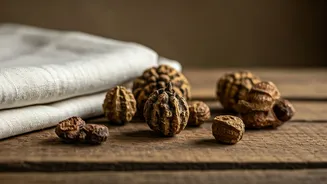
Incorporating Reetha into your laundry routine is surprisingly straightforward. For a simple wash, begin by gathering about 5 to 6 Reetha pods. Place these pods into a small cotton or muslin bag. You can then add this bag directly into your washing machine along with your clothes, or alternatively, simply immerse the bag in a bucket filled with water. Proceed with your usual washing cycle. A significant advantage is that the same Reetha shells can be reused multiple times, typically for 3 to 5 washes, making it an economical and eco-friendly option. This method offers a practical way to reduce reliance on chemical detergents.
Liquid Detergent Creation
For those who prefer a liquid detergent format, Reetha can be easily transformed into such a product. The process involves crushing approximately 8 to 10 Reetha pods. Once crushed, these pods should be boiled in water for about 15 minutes. Following the boiling, strain the resulting liquid to remove any solids. This strained liquid can then be used directly as a natural detergent for your laundry. Furthermore, this homemade natural detergent can be stored in your refrigerator for future use, allowing you to prepare a batch in advance. Both Hingot and Reetha exemplify how ancestral knowledge can provide viable, sustainable solutions for contemporary challenges, from fabric care to environmental preservation.