





Fabric's Inner Language
Men who dress with true awareness understand that fabrics possess distinct characteristics that influence not just appearance but also how one feels and is perceived.
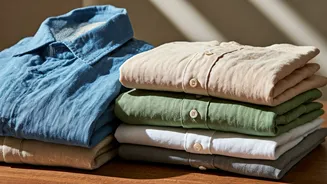
Unlike men who choose materials based on mere sight or ease, the perceptive individual recognizes the inherent qualities of textiles. For instance, linen has a remarkable ability to dissipate heat and promote a relaxed posture, while cashmere offers an almost architectural elegance in its thermal regulation. Dense merino wool provides a grounding effect, lending a sense of physical stability to the wearer. In contrast, synthetic materials often create a sense of friction, both visually and energetically, by trapping heat, restricting natural movement, and subtly stiffening the fabric's appearance, which the eye unconsciously registers. More significantly, natural fibers like wool and linen vibrate at frequencies up to 5000Hz, contributing to a feeling of well-being and maintaining a high personal energy level. This is in stark contrast to synthetic fibers like polyester and nylon, which operate at frequencies below 40Hz, while a healthy human body thrives best above 100Hz. This energetic impact, though seemingly abstract, influences one's aura. Consequently, men who grasp fabric at this fundamental level make vastly different selections, opting for fewer, higher-quality natural materials over synthetics. The outcome is a subtle yet palpable shift: the body moves with greater ease, breathes more freely, and settles more comfortably within the garment, qualities women often interpret as a signal of inner calm and self-assurance.
Dressing with Context
A man who dresses with environmental intelligence moves beyond selecting outfits in isolation, choosing attire that might seem striking indoors but falters in different settings. Instead, he approaches his clothing choices with the same consideration an architect applies to a landscape, understanding how different environments dictate appropriate attire. He meticulously adjusts the weight, color, and texture of his clothes to suit the climate, the specific location, and the time of day. For example, a linen jacket that appears perfectly at ease in a coastal setting might seem out of place or overly casual in a formal city boardroom. Similarly, a heavy flannel suit ideal for a winter evening would be uncomfortably hot under the midday sun in a tropical city. When a man demonstrates this situational awareness in his dressing, he naturally appears as though he perfectly belongs wherever he is. This kind of sartorial intelligence is a trait often observed in cultures that emphasize harmony with their surroundings, contributing to an overall impression of being grounded and appropriately attired for any occasion.
Embracing Worn Beauty
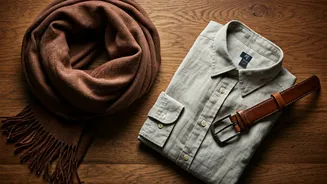
In a world often fixated on the pristine and unblemished, aware men find profound beauty in the character that develops over time – a concept known as patina. Their wardrobes are not filled with garments that appear brand new but feel sterile; instead, they cherish items that tell a story through their wear. Think of leather that has deepened in color with age, denim that has softened and creased naturally along its lines, or wool coats that have molded to the wearer's posture over years of use. These subtle signs of history lend an intimate quality to clothing, imbuing it with a narrative. Women are instinctively drawn to this narrative, as it suggests a man who is patient, emotionally steady, and values endurance and longevity. By allowing his possessions to mature alongside him, he communicates a maturity and depth that extends far beyond superficial aesthetics.
Sensory Connection
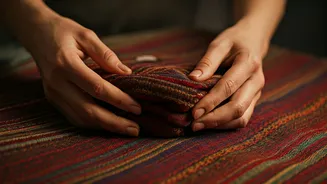
Women often experience and appreciate style through a lens that goes beyond the purely visual. They are attuned to the tactile sensations of clothing – the gentle caress of a brushed flannel sleeve, the comforting warmth retained by wool on a chilly evening, or the liberating ease of movement offered by linen in the summer breeze. These sensory details are powerful in shaping emotional memories. An aware man recognizes this and begins to consider how his clothing interacts with touch, temperature, and movement. He deliberately selects textiles that invite closeness, opting for fabrics that possess a soft quality and garments that feel inherently human rather than mass-produced. This thoughtful approach is precisely why certain men leave a lasting impression, often without uttering a word; their attire creates an environment of palpable comfort and sensory pleasure around them, drawing others in.
Inner Self, Outer Style
The most captivating wardrobes are often owned by men who have achieved a sense of inner wholeness, a state where their external presentation is a genuine reflection of their internal integration. When a man resolves his personal insecurities, his clothing decisions become far simpler and more authentic. He no longer feels the need to dress to impress strangers or engage in competitive displays with other men. Instead, he dresses purely as himself. This significant internal shift is immediately apparent in his outward appearance: his color palette tends to become more subdued and harmonious, and his silhouettes become more natural and relaxed. Women perceive this authenticity and self-acceptance as a strong indicator of emotional stability and maturity, making his style a powerful testament to his inner peace.