



The Saree Stakeout Phenomenon
A recent viral sensation has brought to light the extraordinary lengths people go to for a KSIC (Karnataka Silk Industries Corporation) silk saree. Viral
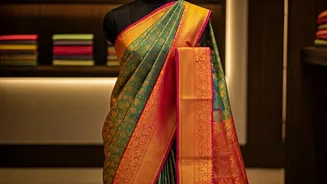
reels have showcased massive crowds forming in the dead of night, with individuals arriving hours before store opening, some even the previous evening. One shopper documented arriving at 3:45 am to find a significant queue already in place, noting that over fifty names were added ahead of her during a brief coffee break. The dedication of these shoppers is remarkable; one woman reported arriving at 3:00 am, while another man claimed to have secured his spot by 9:00 pm the night before. The stores themselves have a very specific operating window, typically opening between 10:00 and 10:30 am. The acquisition process is highly structured, involving a lengthy wait for a token, with entry strictly limited to 10 people at a time, and a mere 10 minutes allocated for shopping. The ultimate restriction is one saree per token, emphasizing the exclusivity of each purchase. These coveted sarees are celebrated for their premium mulberry silk and genuine gold zari, with their prices directly influenced by the fluctuating rates of gold.
From Struggle to Status Symbol
The current high demand for KSIC sarees represents a significant turnaround from past challenges. Fashion consultant Deepika Govind explains that KSIC once struggled with limited design options and faced stiff competition from more affordable alternatives. However, the core vision remained to offer a truly premium and authentic product that honored Karnataka, the state renowned as the 'City of Silk.' Today, production capacity cannot meet the overwhelming demand, a stark contrast to earlier times when sales needed active promotion. These sarees are now regarded as significant long-term investments, their value appreciating over time. A testament to their enduring quality is the tradition of vintage saree competitions, where elderly women would showcase heirloom pieces, some 70 to 80 years old, still retaining their lustrous appearance. This resurgence in popularity is deeply rooted in the exceptional craftsmanship and the meticulous, vertically integrated production process KSIC employs, overseeing everything from cocoon reeling to the final weaving under one roof.
Craftsmanship and Material Excellence
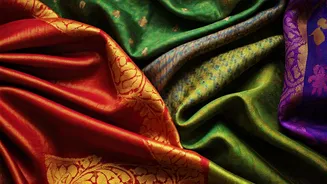
The allure of KSIC Mysore silk sarees is intrinsically linked to their unparalleled craftsmanship and the quality of their materials. As one of the few organizations in India maintaining complete control over the entire production chain, from raw cocoon reeling to the final weaving, KSIC ensures a consistently high standard. Each Mysore silk saree is authenticated with a unique code and hologram, verifying the purity of its gold zari, which is guaranteed not to tarnish over time. The fabric itself, made from mulberry silk, is a key component of its desirability. Mulberry silk, derived from the Bombyx mori silkworm, is prized for its exceptionally fine and uniform fibers, a characteristic attributed to the controlled diet of mulberry leaves these silkworms consume. This attention to detail at every stage of production contributes to the saree's luxurious feel, durability, and visual appeal, making it a true work of art and a cherished possession for those who understand and appreciate its intricate heritage.
Investment in Elegance and Emotion
For dedicated collectors like Pooja R, a network engineer by profession, the appeal of KSIC silk sarees extends beyond aesthetics to encompass deep emotional connections. Her appreciation for these garments began by observing her mother's beautiful saree collection, sparking a lifelong passion. She is particularly drawn to Mysore mulberry silk woven with pure gold and silver zari, noting its surprising lightness, comparable to cotton, making it comfortable to wear while exuding a subtle yet profound richness. However, this understated elegance now comes with a substantial price tag, a direct consequence of escalating gold prices across the country. While queues were once nonexistent, the last one to one-and-a-half years have seen a surge in demand, with shoppers waiting four to six hours for entry. The price increase has been dramatic; a saree costing ₹20,000 two years ago can now fetch ₹50,000 or more, with some reaching ₹70,000, ₹80,000, or even ₹1 lakh. Despite the rising costs, the 'craze' has intensified, as consumers increasingly view these sarees as sound investments that are both comfortable, timeless, and hold their value remarkably well.
Legacy and Star Power
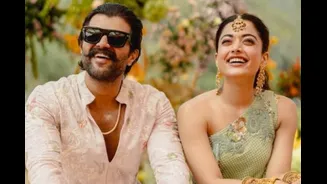
The enduring legacy of these sarees is evident not only in the persistent queues but also in their adoption by the entertainment industry. Their allure has transcended geographical boundaries and is a regular feature in high-fashion couture. Most recently, a striking red Mysore silk saree with a distinctive black-and-gold border worn by actress Rashmika Mandanna at a wedding reception in Hyderabad garnered significant attention. This ensemble, a collaboration curated by a fashion label and featuring handwoven silk, was a sophisticated display of traditional luxury. The pallu itself was a statement piece, adorned with the Gandabherunda motif, a mythical two-headed bird from Karnataka's royal heritage, symbolizing strength and vigilance. This intersection of traditional craftsmanship and modern celebrity endorsement further solidifies the KSIC Mysore silk saree's status as a coveted item, bridging the gap between cultural heritage and contemporary style, and reinforcing its value as both an artistic creation and a symbol of prestige.