



Understanding Gel Sunscreens
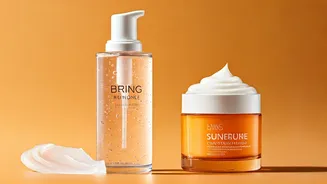
Gel-based sunscreens are celebrated for their incredibly light feel, often containing a high water content that allows them to absorb rapidly into the skin
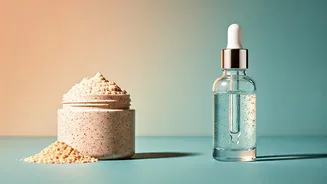
without leaving any greasy residue. This characteristic makes them a prime choice for individuals with oily or acne-prone complexions. The formulation's ability to mattify the skin surface helps control shine and minimizes the likelihood of pores becoming clogged, which is crucial for preventing breakouts. When selecting a gel sunscreen, opting for products explicitly labeled as 'oil-free' and 'non-comedogenic' is highly recommended to further ensure they won't exacerbate existing skin concerns or contribute to new ones.
Exploring Cream Sunscreens
In contrast, cream sunscreens boast a richer, more emollient texture. These formulations are typically packed with nourishing oils and hydrating agents, making them exceptionally beneficial for skin types that tend to be dry or mature. The luxurious consistency of cream sunscreens provides a significant boost of moisture, helping to combat dehydration and leaving the skin feeling exceptionally soft, smooth, and supple. For those experiencing dryness or seeking an extra layer of hydration, these creamy options offer a protective and comforting shield against environmental stressors.
Tailoring to Your Skin Type
The choice between gel and cream largely hinges on your specific skin profile. For those battling oiliness and frequent breakouts, the non-greasy, fast-absorbing nature of gel sunscreens is usually the superior selection. They are designed to let your skin breathe and are less likely to cause congestion. Conversely, if your skin leans towards the drier end of the spectrum or you have mature skin requiring ample hydration, a cream sunscreen is the more appropriate choice. Its thicker consistency delivers essential moisture and creates a more occlusive barrier. For individuals with combination skin, a personalized approach might be best, perhaps using a gel on oilier zones and a cream on drier patches, or exploring hybrid formulas that attempt to offer the best of both worlds.
Essential Sunscreen Factors
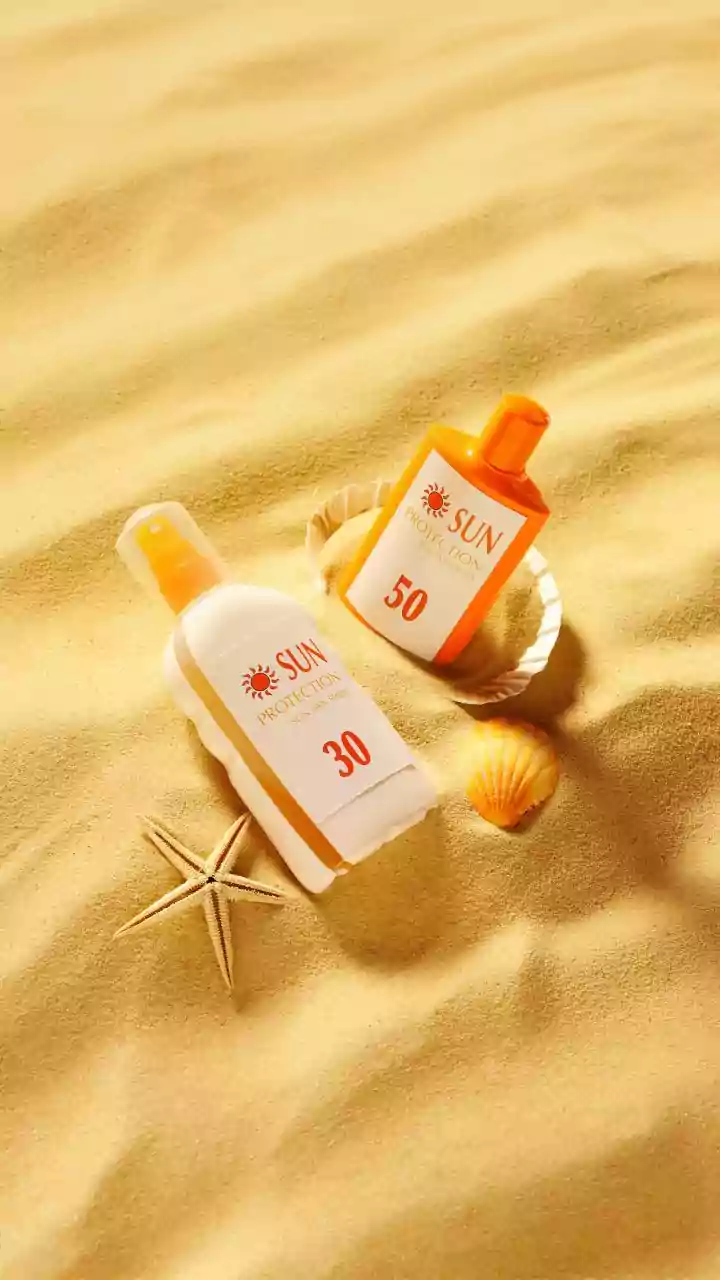
Beyond texture, always scrutinize the SPF (Sun Protection Factor) and PA rating on any sunscreen. A minimum of SPF 30 is advised for daily defense, ensuring adequate protection against UVB rays. Opting for a broad-spectrum formula is paramount, as it shields your skin from both UVA and UVB radiation, which are responsible for premature aging and increased cancer risk, respectively. The PA rating further specifies the level of UVA protection, with more plus signs (PA+++, PA++++) indicating a higher degree of defense. These ratings are crucial indicators of how effectively the product will safeguard your skin throughout the day.
The Consistency is Key
Ultimately, the most effective sunscreen is the one you are motivated to apply consistently. If a particular texture feels uncomfortable, sticky, or heavy, you'll likely bypass its application, leaving your skin vulnerable. Therefore, it's essential to experiment with different gel and cream formulations to discover one that feels truly pleasant on your skin. When you find a sunscreen that you enjoy wearing, you're far more likely to make it a non-negotiable part of your daily skincare ritual, ensuring continuous and reliable sun protection regardless of the season or weather conditions.