



Fashion's Cultural Tapestry
Fashion is intrinsically linked to culture, mirroring societal changes, values, and artistic movements. Consider the 1920s, with their flapper dresses
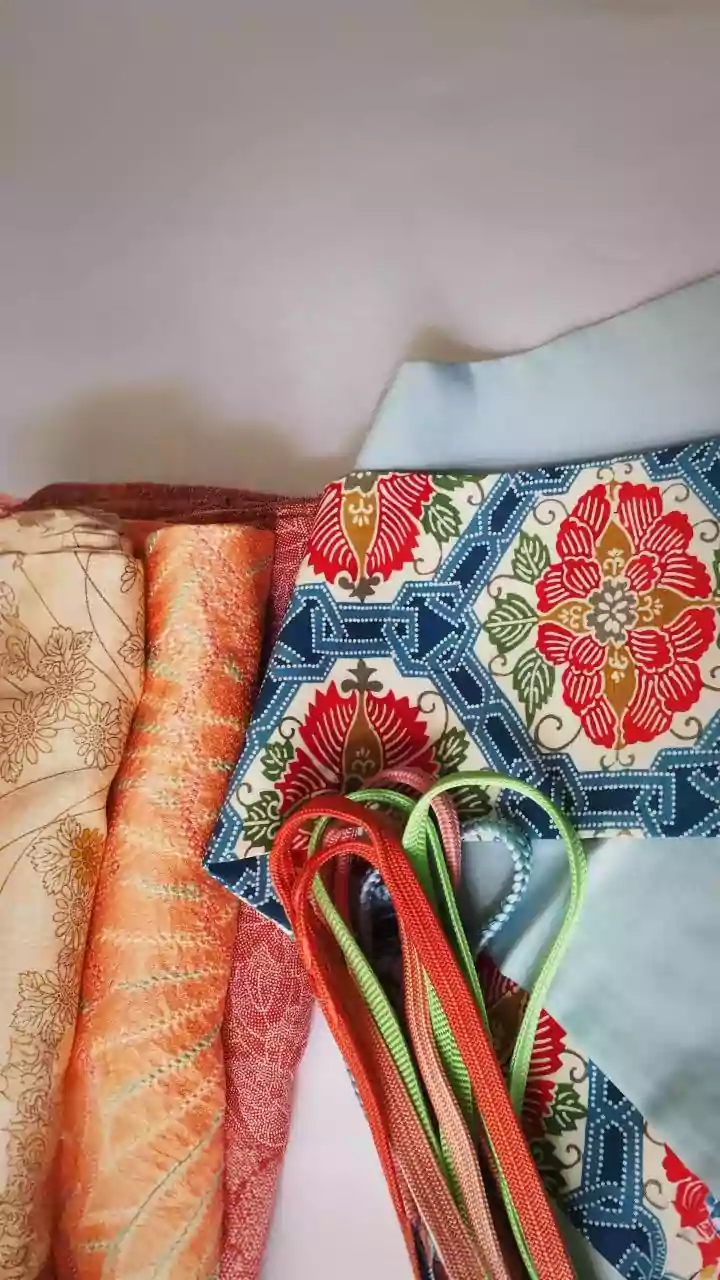
and a newfound sense of freedom, or the rebellious 1960s, marked by mini-skirts and bold colors. These eras showcase how clothing can reflect wider cultural shifts, influencing silhouettes, colors, and overall styles. From traditional Indian sarees that celebrate heritage to the rise of streetwear, which reflects youth culture, fashion serves as a visual language. Furthermore, cultural exchange and globalization further accelerate trend cycles, blending diverse influences. Designers draw inspiration from various traditions, leading to exciting fusions. Fashion also acts as a form of self-expression, allowing individuals to communicate their identities and beliefs. What people choose to wear can reflect their personal style, political views, and social affiliations, making fashion a complex and multifaceted phenomenon.
Key Influences on Style
Several key factors shape the trends seen on runways and in wardrobes. Social media and influencers play a massive role, with platforms like Instagram and TikTok showcasing styles that quickly gain popularity. Celebrities' choices significantly influence fashion, from red-carpet gowns to casual everyday outfits. Designers, drawing from art, nature, and everyday life, are another driving force. Their creative vision is showcased in fashion weeks, setting trends for upcoming seasons. Economic conditions and global events also leave their mark. During times of prosperity, luxury fashion may thrive, while periods of economic uncertainty can see a shift towards more practical and affordable styles. Moreover, sustainability and ethical concerns increasingly influence fashion, leading to an emphasis on eco-friendly materials and practices. The constant interplay of these factors creates the ever-changing landscape of style, making it a vibrant and fascinating industry. Understanding these influences offers insights into how trends emerge and why certain styles resonate with audiences.
Essential Wardrobe Staples
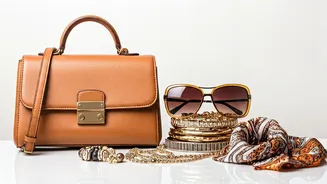
Building a versatile wardrobe relies on a set of key essentials that can be mixed and matched to create various looks. A well-fitting pair of jeans remains a staple, offering versatility for both casual and semi-formal occasions. A classic white shirt serves as a blank canvas, easily paired with anything from skirts to tailored pants. A tailored blazer can instantly elevate any outfit, adding a touch of sophistication. A simple black dress is an indispensable piece, adaptable for different events and seasons. Versatile shoes, like comfortable sneakers, elegant heels, and classic loafers, are essential to complete any ensemble. Accessorizing these essential pieces is another critical aspect. A timeless handbag, a scarf, or a piece of jewelry can add personality to your look. By prioritizing these versatile and foundational items, you can create a collection that reflects personal style while ensuring adaptability for different situations. These items provide a solid base for building an adaptable and personalized wardrobe.
The Future of Fashion
The fashion industry is undergoing significant transformations, with several trends likely to shape its future. Sustainability is becoming increasingly important, driving demand for eco-friendly materials, ethical production practices, and circular fashion models. Technological advancements, such as 3D printing and virtual reality, are revolutionizing design, production, and the shopping experience. Personalization is another key trend, with consumers seeking customized and unique clothing. The rise of inclusive fashion, catering to diverse body types and identities, is also gaining traction. Furthermore, digital fashion, including virtual clothing and avatars, is reshaping how we perceive and interact with style. These evolving trends reflect changing consumer values and technological advancements, suggesting a more innovative and personalized future for the industry. Fashion's capacity to adapt and innovate ensures its continued relevance and impact on society.