






What is German Silver?
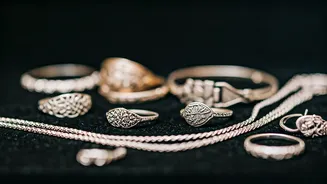
German silver, contrary to its name, is not actually made of silver. It's an alloy composed of copper, nickel, and zinc. The exact proportions can vary,
affecting the colour and durability of the metal. Because it doesn't contain silver, it is also known as nickel silver, and it often appears a silvery-white color which is similar to that of silver. The presence of nickel, however, is a key factor to consider when assessing its safety for those with sensitive skin or nickel allergies. The nickel content is what makes it a more affordable alternative to real silver.
Nickel Allergy Risks
Nickel is a common allergen, and contact with nickel-containing materials can trigger allergic reactions in susceptible individuals. Symptoms of a nickel allergy can range from mild skin irritation, redness, and itching to more severe reactions like blisters and eczema. The severity of the reaction often depends on the individual's sensitivity and the duration of exposure. Because German silver contains nickel, it poses a risk for those with known nickel allergies. These allergies can develop over time, so even if you haven't experienced a reaction before, it's wise to be cautious. Prolonged skin contact, especially in warm and moist conditions, can increase the chances of a reaction.
Identifying Safety
When choosing German silver jewellery, there are several steps you can take to minimize the risk of an allergic reaction. Look for jewellery that is labelled as nickel-free or hypoallergenic. These terms typically indicate that the jewellery has been manufactured to reduce or eliminate nickel content. You can also inspect the jewellery for coatings that might act as a barrier between the metal and your skin. Some pieces are plated with a layer of silver or another non-allergenic metal. Consider the specific piece of jewellery as well: earrings, which pierce the skin, may pose a greater risk than necklaces or bracelets.
Alternatives to Consider
If you have a nickel allergy or simply wish to be cautious, many alternative jewellery options are available. Sterling silver, which is an alloy of silver and other metals (often copper), is a good choice, but make sure the jewellery is of high quality. Gold jewellery, especially those in higher karat values (like 18k or 24k), is also typically a safe choice, as pure gold is less likely to cause a reaction. Platinum is another excellent hypoallergenic option. Titanium and surgical-grade stainless steel are also popular choices for sensitive skin due to their low nickel content and durability. Each of these can provide a safe and stylish alternative to German silver.
Caring for Jewellery
Proper care can help minimize the risk of skin reactions from any jewellery, including German silver. Regularly clean your jewellery to remove oils, sweat, and other residues. Use a soft cloth and mild soap to gently clean the piece. Avoid exposing your jewellery to harsh chemicals like perfumes, lotions, and cleaning agents. If you suspect an allergic reaction, remove the jewellery immediately and consult a doctor if the symptoms persist or worsen. For those with known allergies, consider applying a clear nail polish to the parts of the jewellery that touch your skin to act as a barrier. This can help prevent direct contact with the nickel in the alloy.