






Understanding the Extra Fees
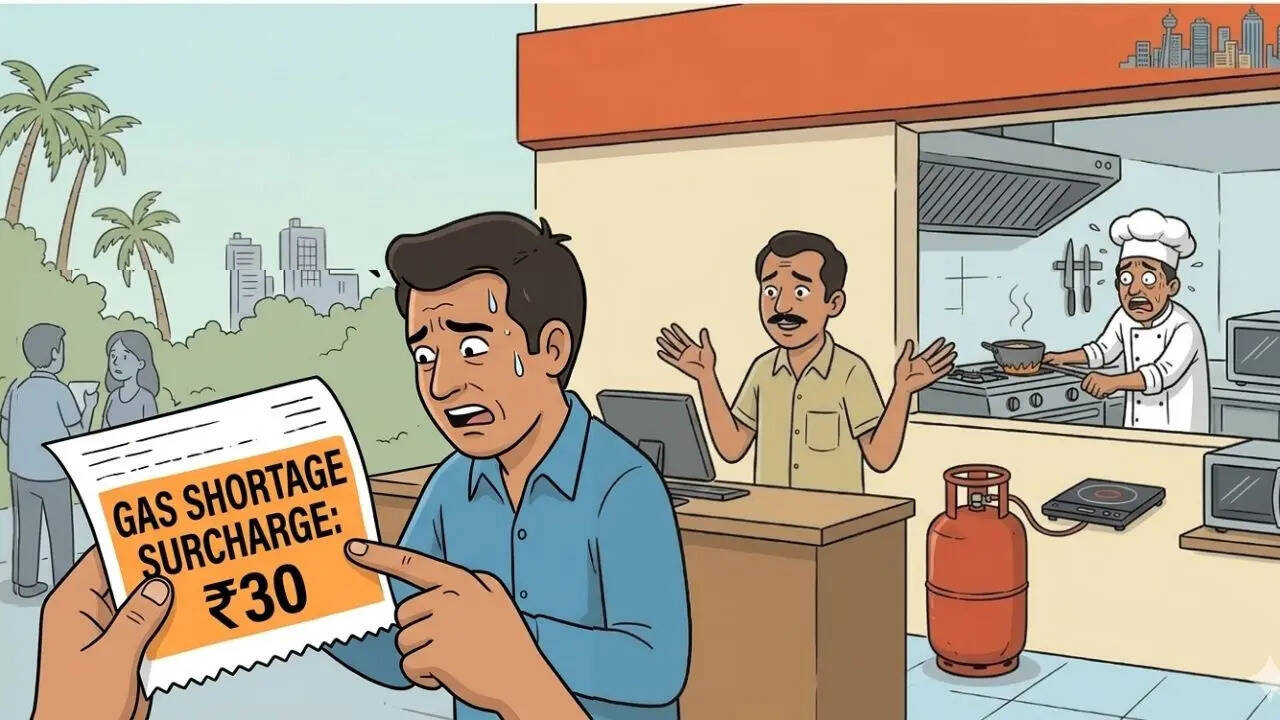
Recent discussions surrounding LPG shortages have brought a new item to the forefront of restaurant bills: 'LPG charges' or 'fuel costs'. It's become a point
of contention as the Central Consumer Protection Authority (CCPA) has issued an advisory highlighting that automatically adding such fees can be considered an unfair trade practice. Many establishments have been adding separate charges, sometimes labeled as 'gas surcharge' or 'fuel cost recovery,' which can inflate the final amount payable. The core issue is that operational expenses, including fuel and gas, are typically factored into the menu prices. When these costs are itemized and added without consumer consent, it can lead to confusion and overcharging. The CCPA's stance emphasizes that these business expenditures should be integrated into the listed prices rather than presented as additional, mandatory charges.
Government's Stance Clarified
The CCPA has issued a clear directive: restaurants and hotels are prohibited from automatically imposing 'LPG charges' or similar levies. The price displayed on the menu should be the final amount payable by the customer, excluding applicable taxes. Consumers should not be compelled to pay any supplementary fees unless they opt for them voluntarily. The authority has further clarified that merely rebranding a charge, such as renaming a 'gas surcharge' to something else, does not legitimize its automatic inclusion. If such a fee is added by default, it still constitutes a breach under the Consumer Protection Act of 2019. This governmental intervention aims to ensure transparency and fair dealing between service providers and consumers, preventing hidden costs from surprising diners.
Your Consumer Actions
If you encounter these extra charges on your bill, you have recourse. The first step is to politely request the restaurant to remove the 'LPG charge' or any other unauthorized fee. Should the establishment refuse or if you need further assistance, you can escalate the issue. The National Consumer Helpline is accessible by dialing 1915, or you can utilize their dedicated mobile application. For formal complaints, you have the option to file a grievance through the e-Jagriti portal. Alternatively, consumers can approach their respective District Collector or lodge a complaint directly with the CCPA. The authority is actively monitoring these practices, and non-compliance could result in punitive actions, reinforcing the importance of asserting your rights as a consumer.