

Sweet Pongal's Delight
Sweet Pongal, also known as 'Chakkara Pongal,' holds a central role in the Pongal festivities. It's a sweet porridge made primarily with rice, jaggery
(or sugar), and lentils, often flavored with cardamom and cashews. The preparation of Sweet Pongal symbolizes prosperity and abundance, and it's traditionally offered to the Sun God as a gesture of gratitude for a bountiful harvest. The process involves boiling the rice and lentils, then mixing in jaggery to give it a rich sweetness. The dish is typically garnished with fried nuts and ghee, enriching both the flavor and festive spirit of the celebration. This dish signifies the start of the Pongal celebrations, setting a tone of sweetness and auspiciousness for the days ahead. The aroma of cardamom and ghee wafting from the kitchen is an integral part of the Pongal atmosphere, and its consumption is viewed as a blessing.
Savory Ven Pongal
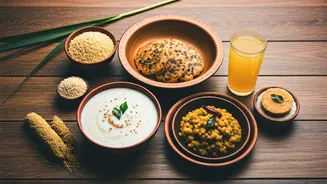
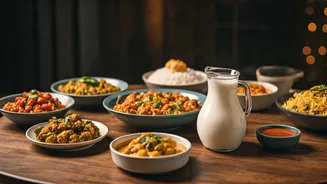
Ven Pongal, a savory dish, is a comforting classic often eaten for breakfast or as a main meal during Pongal. The dish is made with rice and moong dal, cooked together with spices like asafoetida, ginger, and green chilies. The blend of flavors and textures in Ven Pongal provides a hearty and satisfying culinary experience. The dish is seasoned with ghee and typically served hot with sambar and coconut chutney, creating a complete meal that balances flavors and textures. The preparation of Ven Pongal requires careful cooking, ensuring the rice and lentils are soft and well-cooked. This dish represents the earthy flavors of South Indian cuisine and is a staple during the celebrations, complementing the sweetness of Chakkara Pongal and other delicacies. Its simplicity and versatility make it a favored choice among households celebrating Pongal.
Sakkarai Pongal Variations
While Sweet Pongal is a classic, many variations exist, reflecting regional preferences and family traditions. Some families add coconut milk for extra richness, while others incorporate dry fruits like raisins and almonds for added texture and sweetness. The spices used can also vary, with some recipes including cloves and nutmeg to enhance the flavor profile. These variations highlight the personal touch and cultural diversity that define Pongal celebrations across different regions and communities. The customization of Sakkarai Pongal reflects the creative spirit of home cooks, showcasing their adaptation to unique ingredients and family tastes. Such variations make the traditional offering even more special and personal. The ability to modify the recipe according to preferences makes it a favorite across generations, cementing its place as a Pongal essential.
Medu Vada's Crispiness
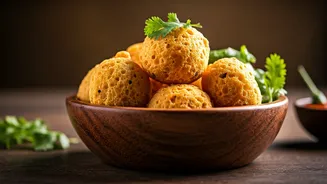
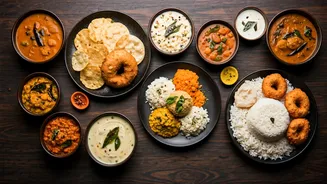
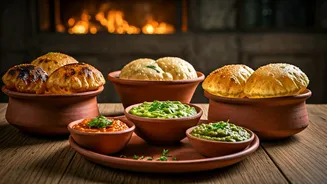
Medu Vada, a savory lentil fritter, is a popular side dish enjoyed during Pongal. Made from urad dal (black gram), these vadas are shaped into a doughnut-like form and deep-fried until golden brown and crispy. The contrast of textures, a crispy exterior and a soft interior, makes Medu Vada a delightful treat. It is typically served with sambar and coconut chutney, which perfectly balances the savory taste of the vada. The preparation requires soaking the urad dal, grinding it into a fine paste, and then frying it at the right temperature for the ideal crispiness. Medu Vada has its roots in traditional South Indian cuisine, and it's an essential element in many festive meals. Preparing Medu Vada is considered an art form, with skilled cooks mastering the ability to produce perfectly shaped and perfectly cooked fritters.
Pongal's Sambar Sensation
Sambar, a lentil-based vegetable stew, is a staple accompaniment to many South Indian dishes, including Pongal. It's made with a variety of vegetables, tamarind, lentils, and a blend of spices. Sambar's complex, flavorful taste profile is a result of the careful combination of ingredients and cooking techniques. It is typically served with rice, dosa, idli, and vada, enhancing their flavor and adding nutritional value. During Pongal, Sambar often features seasonal vegetables, providing a balance of flavors and textures that complement the other festive dishes. Making a delicious Sambar involves roasting the spices, boiling the lentils, and simmering the vegetables until they are perfectly tender. The recipe is also often customized to family traditions, leading to the use of unique ingredients or spice blends.
Coconut Chutney's Flavor
Coconut Chutney is a popular condiment and is an integral part of the South Indian cuisine. Made with fresh coconut, green chilies, and tempering of mustard seeds and curry leaves, this chutney is both refreshing and flavorful. It serves as an essential complement to dishes like vada, idli, and dosa, adding a creamy texture and balanced taste. During Pongal, coconut chutney brings a distinct freshness to the festive meal. Its preparation involves grinding the coconut with the specified ingredients and then tempering it for added flavor. The chutney is known for its simplicity and its ability to elevate the flavors of other dishes. Variations often include the addition of ingredients like ginger or garlic, enhancing its flavor profile and complementing other dishes. Homemade coconut chutney is considered a culinary highlight in any traditional South Indian meal.
Pongal's Variety Rice Dishes
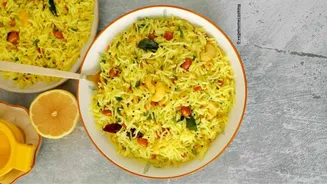
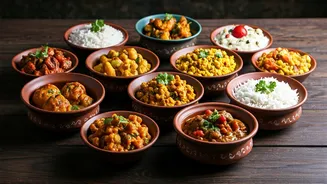
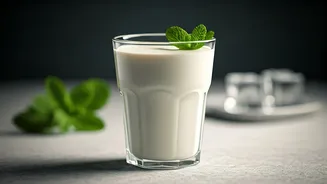
Many types of rice dishes contribute to the diversity of Pongal celebrations. Each region and household often brings unique specialties. Tamarind rice, or puliyodarai, is made with tamarind pulp, spices, and rice, offering a tangy and flavorful experience. Lemon rice, or elumichai sadam, is a simple, refreshing dish flavored with lemon juice and mustard seeds. Curd rice, or thayir sadam, made with yogurt and rice, is a cooling and soothing dish, often served at the end of a meal to aid digestion. These rice dishes not only add variety to the Pongal spread but also represent the cultural richness of South India, showing the unique ways rice is prepared and enjoyed. The wide array of rice dishes allows for a personalized and diverse culinary experience, making the celebration truly inclusive and memorable.
Murukku: Crispy Treat
Murukku, a crispy, savory snack, is another favorite during Pongal. Made from rice flour and urad dal, it is formed into spiral shapes and deep-fried until golden brown. This traditional snack provides a crunchy texture that contrasts nicely with the softer dishes. It's often seasoned with sesame seeds and other spices to enhance its flavor. Murukku is an essential item during celebrations, often enjoyed as a snack or side dish. The preparation involves making the dough, shaping the spirals, and frying them carefully to achieve the perfect crispiness. The process showcases the culinary artistry passed down through generations. Murukku's appeal spans generations, serving as a reminder of family traditions and festive moments. This snack is always a welcome treat, adding to the joyous ambiance of the festivities.
Payasam's Sweetness
Payasam, a sweet dessert, is a celebratory highlight during Pongal. Made from rice, milk, and sugar, often flavored with cardamom and dry fruits, it's a rich and creamy dessert that symbolizes happiness and prosperity. Payasam often varies by region and tradition, with different ingredients and preparation methods. Some popular variations include vermicelli payasam, made with roasted vermicelli, and semiya payasam, made with broken wheat. The preparation involves simmering the ingredients until they reach the desired consistency and flavor. Payasam adds a touch of sweetness to the Pongal meal and symbolizes the warmth and togetherness that Pongal represents. This dessert serves as a satisfying conclusion to the festive feast, enhancing the joy and celebration of the occasion.