



Layered Garden Design
Embracing the arrival of warmer days in May presents a fantastic opportunity for gardeners to cultivate a visually rich and ecologically supportive landscape.
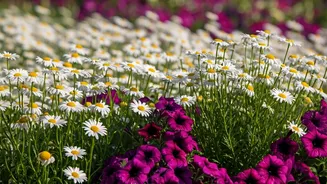
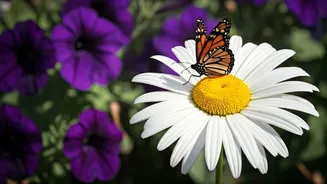
The concept of a layered summer garden is key to achieving both aesthetic appeal and attracting wildlife. A particularly effective and time-tested combination involves pairing the stately Shasta daisies with the more ground-hugging petunias. This pairing not only offers a delightful contrast in form and color but also creates a diverse habitat for pollinators. Shasta daisies, scientifically known as Leucanthemum superbum, contribute vertical interest and structure, typically reaching heights of up to four feet. Their crisp white petals and bright yellow centers act as beacons, drawing attention and providing a landing platform. Complementing these tall blooms, petunias, which usually stay under 18 inches, form a colorful, low-lying carpet in a wide spectrum of shades like pinks, purples, and yellows. This deliberate arrangement of varying heights ensures the garden is not only pleasing to the eye but also more effective at attracting a broader array of insect life, as research suggests diverse floral displays enhance insect diversity.
Butterfly Attraction Secrets
The reason butterflies are so drawn to gardens featuring Shasta daisies and petunias lies in their shared preference for warm, sunny environments. As cold-blooded creatures, butterflies rely on external heat sources to regulate their body temperature, and these plants thrive in full sun, creating the ideal warm and bright spots where butterflies naturally congregate. Beyond just providing a sunbathing haven, both species are prolific nectar producers. The broad, flat surfaces of Shasta daisies are perfect for larger butterflies to rest and feed, while the trumpet-shaped petunias offer a rich supply of nectar within their blooms. This consistent availability of food is crucial for sustaining local butterfly populations, especially as their natural habitats continue to shrink. Urban and suburban gardens can serve as vital 'nectar cafes,' offering essential sustenance that helps maintain these delicate creatures. By planting these species in May, gardeners actively contribute to the summer's pollinator population by providing a reliable food source.
Planting & Care Tips
To ensure a successful and flourishing May garden, timely planting and healthy soil are paramount. It's crucial to wait until the danger of the last frost has completely passed before introducing young plants to the soil. While both Shasta daisies and petunias are relatively hardy, petunias are more susceptible to late spring chills. For those aiming for blooms by the onset of summer heat, it's advisable to bypass seeds and opt for established starter plants purchased from a local nursery. This approach provides a significant head start, ensuring robust root development during the initial growth phase. Maintaining this plant combination is straightforward, making it ideal for many home gardeners. Both species perform best in well-draining soil. To prevent common issues like fungal diseases and root rot, it's essential to avoid overwatering. A simple moisture test – checking if the top inch of soil feels dry – is a reliable indicator for when to water. While generally resistant to major pest infestations, keep an eye out for occasional slugs or aphids on delicate foliage. Strategic planting, with taller Shasta daisies placed at the back and shorter petunias in front, guarantees that each plant receives adequate sunlight for optimal growth and sustained blooming through the fall.