




Ayurveda's Hair Secret
Hibiscus, revered in India as 'jaswand' and 'gudhal', is a staple in Ayurvedic beauty rituals, celebrated for centuries for its potent hair and skincare
benefits. Both its vibrant flowers and lush leaves are prized for their ability to stimulate hair growth, significantly reduce breakage, and impart a healthy, subtle sheen to your locks. While both parts contribute to overall hair health, this article zeroes in on their specific roles, particularly when the primary objective is to foster hair growth. We'll delve into the distinct advantages offered by each component to help you make the most informed decision for your hair's vitality and resilience.
Leaves for Scalp Health
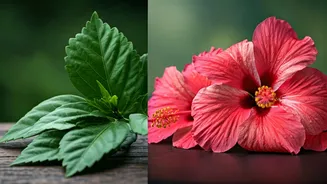
The leaves of the hibiscus plant are believed to be particularly beneficial for enhancing blood circulation throughout the scalp, ensuring that essential nutrients are efficiently delivered to the hair follicles. This improved circulation is a key factor in promoting robust hair growth. Furthermore, hibiscus leaves play a role in regulating the scalp's pH balance, which helps in soothing irritation and minimizing triggers for hair fall. Their properties can also contribute to reducing dandruff and preventing scalp inflammation, creating an optimal environment for healthy hair to flourish. This makes them a powerful ally for anyone seeking to address thinning hair or excessive shedding.
Petals for Strength
In contrast, the flower petals of the hibiscus plant are rich in amino acids, which are crucial for accelerating keratin synthesis. Keratin is the primary protein that makes up hair, and its increased production leads to stronger, more resilient strands that are less prone to breakage. The petals also offer a wonderful conditioning effect, combating dryness and taming intense frizz, thereby indirectly aiding in retaining hair length. By fortifying the hair shaft and improving its texture, hibiscus petals contribute to a smoother, more manageable mane and significantly minimize split ends, enhancing the overall appearance and health of your hair.
Application Techniques
To harness the power of hibiscus for your hair, several methods can be employed. For a potent hair growth treatment, start by creating a paste from fresh hibiscus leaves, grinding them with a little water or coconut oil. This mixture can be massaged into the scalp and applied weekly. For deep conditioning and keratin support, prepare a mask by grinding flower petals with yoghurt and aloe vera gel, then apply to your hair. An herbal rinse can be made by boiling either petals or leaves in water; after cooling, use this infusion as a final rinse post-shampoo. Additionally, steeping hibiscus parts in your preferred oil, warming it gently, and applying it to the scalp can enhance blood circulation and nutrient delivery.
Choosing the Right Part
If your primary concern is accelerating hair growth and reducing hair fall, hibiscus leaves are generally considered more potent due to their extensive nutrient profile, which includes compounds that actively stimulate hair follicles. However, if your goal is to achieve shinier, softer locks with enhanced keratin support and improved manageability, hibiscus petals are the ideal choice. For the most comprehensive benefits, encompassing both robust growth and improved hair texture, the best strategy involves integrating both hibiscus leaves and petals into your hair care routine, leveraging the unique strengths of each part.