




Understanding Hair Growth
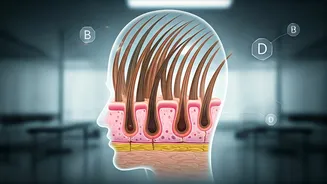
Hair growth is a complex biological process, not a surface-level phenomenon. It originates from follicles deep within the scalp, influenced by internal
factors rather than external applications. Genetics dictate the fundamental rate of growth, while hormones act as crucial regulators of the hair cycle. The nutrients absorbed through your bloodstream are paramount, alongside overall health aspects like stress management and adequate sleep. Pouring milk on your head won't magically alter this intricate internal system; it simply can't reach the biological 'growth clock' to accelerate it. This means external treatments, including milk, cannot directly stimulate faster hair growth from the root. The foundation of hair health lies in what happens within your body, not what's applied to the exterior.
Milk's Nutritional Powerhouse
Milk is a rich source of essential nutrients, featuring proteins like casein and whey, vital vitamins such as B12 and D, and minerals like calcium. It also contains fats that contribute to hydration. Given that hair is predominantly composed of keratin, a protein, it's understandable why people theorized that applying milk topically might replenish hair strands. While milk certainly contributes to overall hair health when consumed, its effectiveness when applied externally is quite different. The nutrients are most beneficial when ingested, allowing your body to utilize them systemically for hair follicle nourishment, rather than relying on surface absorption.
Milk's Cosmetic Benefits
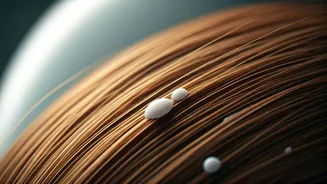
Despite not stimulating faster growth, milk can offer several cosmetic advantages for your hair. Its natural fats coat the hair shaft, imparting a smoother, silkier texture. Milk can also temporarily enhance shine by smoothing the hair's cuticle, making it appear more lustrous. Furthermore, the added moisture and weight from milk can help control frizz and tame flyaways. The lactic acid present in milk acts as a mild exfoliant, which can be beneficial for soothing a dry scalp. These effects contribute to an improved appearance and feel, creating an illusion of healthier, longer hair.
The Illusion of Growth
The perception that milk promotes faster hair growth often stems from its ability to improve hair health and reduce breakage. When hair is less frizzy, less brittle, and better hydrated, it is less prone to snapping off at the ends. This reduction in breakage means you retain more of the length you already have, leading to the appearance of longer hair. It's not that your hair is growing quicker, but rather that you are experiencing less length loss due to damage. This enhanced hair condition can be mistaken for accelerated growth, creating a powerful illusion that is hard to dismiss.
Optimal Nutrient Absorption
For genuine influence on hair growth cycles, ingesting milk is far more effective than applying it externally. When you drink milk, its proteins and vitamins are absorbed into your bloodstream, from where they can be delivered to the hair follicles. This internal route provides the essential building blocks your body needs to synthesize keratin and support healthy hair production. However, it's crucial to remember that milk is only one component of a balanced nutritional intake required for optimal hair growth. A comprehensive diet is key to providing the necessary resources for your follicles.
Science Behind the Myth
The notion that milk aids hair growth has persisted for ages, gaining traction through traditional home remedies and social media. Scientifically, while milk contains nourishing bioactive compounds, its proteins are generally too large to penetrate the scalp or hair shaft effectively. They cannot reach the hair follicle, the sole site of growth. Therefore, external application primarily offers superficial conditioning. Some niche studies have explored specific milk components like lactoferrin for their potential to influence follicle activity, but these were conducted under controlled laboratory conditions using concentrated extracts, not by simply pouring milk on the hair.
What Truly Works
For scientifically supported hair growth, focus on foundational health practices. A balanced diet rich in iron, zinc, and biotin is essential. Proper scalp care, including keeping it clean and stimulating blood flow through gentle massages, supports a healthy growth environment. Minimizing damage by reducing heat styling and avoiding harsh chemicals is also critical. While milk can be a pleasant, gentle treatment for improving hair texture and appearance, it does not alter genetic predispositions or biological growth rates. Enjoy its softening effects, but manage expectations regarding its impact on hair length.