

Fashion's Timeless Cycle
Fashion operates in an intriguing cycle of rediscovery and innovation, where trends from past eras frequently resurface in modern forms. Styles that once
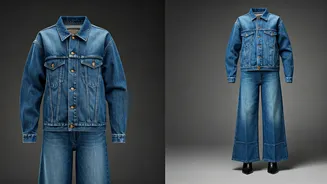
defined generations, like the flapper dresses of the 1920s or the bell bottoms of the 1970s, often find their way back into the fashion spotlight, modified to suit current tastes. This cyclical nature is driven by designers drawing inspiration from various periods, reimagining them with fresh perspectives. Such revivals aren't mere imitations, but are contemporary adaptations that resonate with new audiences. This constant interplay between old and new is a key element of fashion's dynamism and enduring appeal.
Cultural Style Influence
The influence of culture on fashion is undeniable, as diverse cultural practices and values consistently shape style trends. Traditional garments, fabrics, and patterns from different cultures frequently serve as sources of inspiration for designers. Take, for example, the use of vibrant colours and intricate embroidery often seen in Indian attire, which have frequently been adapted into global collections, reflecting an appreciation for these cultural elements. Additionally, cultural events, music, and art movements all contribute to fashion trends. Music subcultures, for example, have frequently influenced everything from streetwear to haute couture, highlighting the powerful link between cultural expression and fashion.
Personal Style Navigation
Navigating the constantly shifting world of fashion requires a personalized approach to style, with emphasis on understanding one's own preferences and body type. It starts with self-awareness, recognizing what styles enhance your features and reflect your personality. This individual journey involves experimentation with different clothing options, colours, and accessories to find what suits you best. Staying informed about current trends can be beneficial, but it's crucial to filter these trends through your personal lens. Fashion is, at its essence, a tool for self-expression; therefore, embracing your uniqueness is vital. This is achieved by creating a wardrobe that combines comfort and style, reflecting your personal style and confidence.
Trend Adaptation Strategies
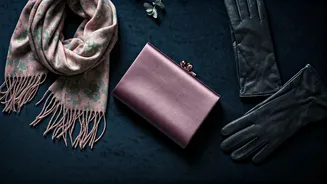
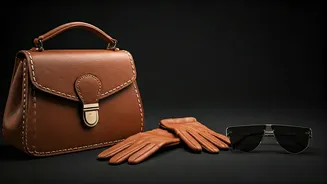
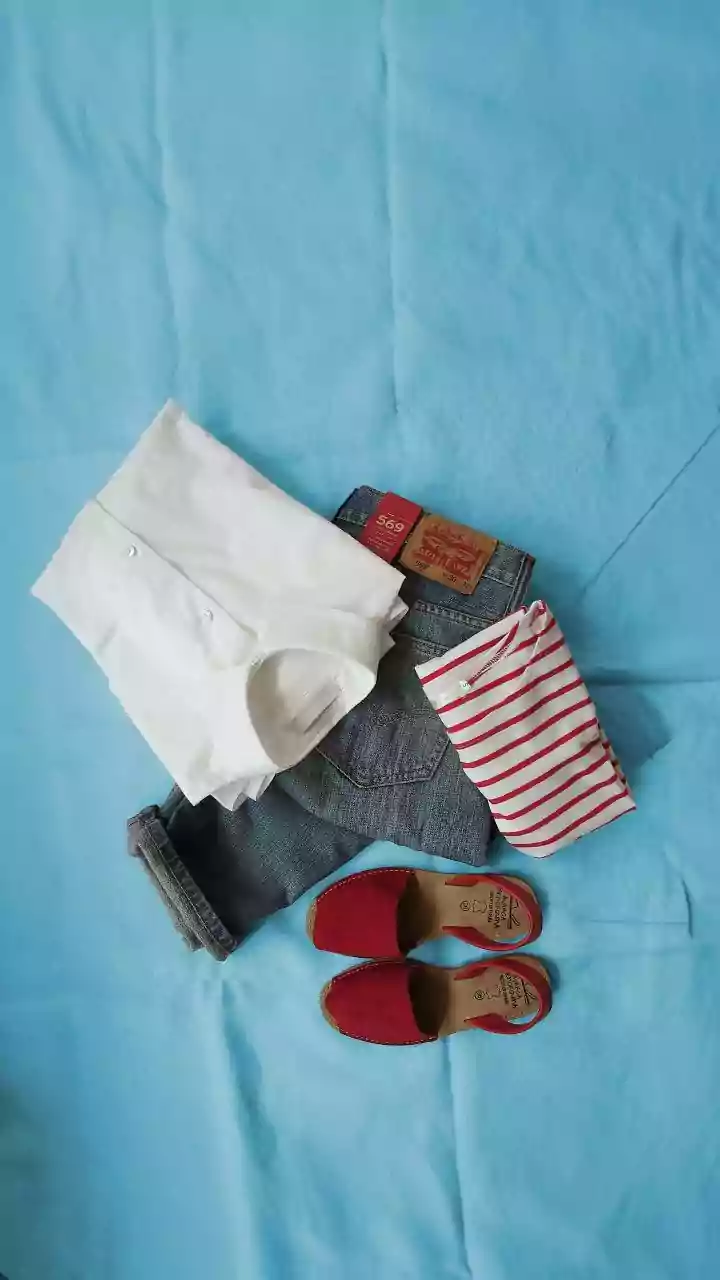
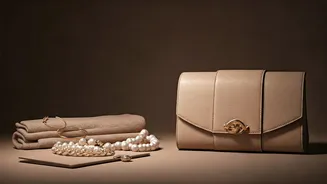
Successfully incorporating trends into your personal style involves a strategic process that considers both the current trends and your individual preferences. Starting with foundational pieces, such as a well-fitting pair of jeans or a classic white shirt, is essential. These items serve as versatile anchors around which you can add trend-driven pieces, like a statement bag or a bold-coloured top. The key is to blend classic pieces with trend-forward items in a balanced manner, preventing your style from becoming overly focused on short-lived trends. Accessories provide another avenue for integrating current trends. They are often a cost-effective way to update your look and experiment with new styles without the need to invest heavily in changing your entire wardrobe.
The Future of Fashion
Fashion is constantly evolving, with new developments emerging that suggest a more sustainable and inclusive future. Eco-friendly materials and ethical production processes are growing trends. This shift is motivated by environmental consciousness and growing consumer demand for responsible practices. Technology also plays an increasingly significant role, with advancements like 3D-printing, which enable customized clothing and reduce waste. The rise of body positivity and diversity is reflected in fashion with a wider range of sizes, colours, and representation in advertising campaigns. The future of fashion, therefore, is focused on sustainability, inclusivity, and embracing a diverse range of styles to create a more dynamic, ethical, and representative industry.