
Fashion's Complex Relationships
The fashion industry and the world of acting often intersect, creating a complex web of relationships. Actors rely on designers to create looks for events,
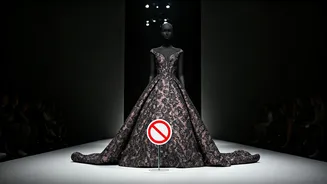
while designers use actors to showcase their creations and increase brand visibility. However, these partnerships are not always smooth. Several factors can affect the dynamics, leading to the situation where a designer chooses not to dress an actor. Issues can include conflicting values, differing creative visions, or reputational concerns. The power dynamics between designers and actors also play a crucial role. Designers often have the upper hand, especially when their brands are highly sought after. Actors, in turn, are conscious about their public image and the brands they associate with, making every choice calculated. This relationship is always delicate, with both sides navigating personal preferences, industry pressures, and image management to maintain a successful collaboration.
Divergent Values and Brands
One of the primary reasons for fashion designers refusing to dress actors is a clash of values. Designers and brands have distinct ideologies and ethics. They select the individuals they dress based on how well these individuals reflect their brand's identity and values. For instance, a designer known for sustainable practices might refuse to work with an actor who promotes fast fashion. Similarly, designers with strong political views may choose not to associate with actors whose public stances conflict with their own. These decisions are not simply about aesthetics; they're about maintaining brand integrity and sending a clear message to consumers. Actors, too, must consider the designer’s values, because their choices can directly affect their professional standing and public image. Each collaboration is a statement, and misalignment between values creates a risky proposition for both parties involved. Brand reputation is everything, and therefore, both designers and actors engage in careful scrutiny of each other’s public personas before partnering.
Creative Differences Arising
Creative clashes can be another significant reason behind fashion refusals. Designers and actors often have differing visions regarding what looks best. A designer may have a specific style or aesthetic that doesn't align with an actor's personal preferences or the image they want to portray. In such cases, the collaboration becomes difficult. Another factor is the role of stylists. Stylists are critical in the process. They often act as mediators and work to bridge the gap between a designer’s vision and an actor's needs. However, even with stylists, creative differences can sometimes be insurmountable. Communication is key to working together. A breakdown in communication can lead to frustration and ultimately, refusal. Designers might withdraw their offers if they feel the actor or their team is not open to collaboration. The goal of a successful collaboration is to create a look that satisfies both creative partners and enhances the actor's presence on the red carpet or any other public occasion.
Impact on Actors and Brands
When a designer refuses to dress an actor, the impact can be considerable, for both the actor and the brand. For the actor, it can lead to negative publicity and can impact future opportunities. The media often focuses on such incidents. It puts pressure on both the actor and the designer, leading to speculation and debate among fans and industry insiders. The actor may struggle to find alternative designers. They might face challenges in maintaining their public image, particularly if the reason for the refusal is related to a controversial issue. For the brand, the refusal also presents risks. While it may strengthen the brand's image by upholding its values, it can also lead to public scrutiny, especially if the decision is perceived as unfair or discriminatory. It’s a delicate balancing act, requiring careful consideration of the long-term effects on both the brand’s reputation and the actor’s career. The fashion industry is closely intertwined with public perception; a misstep can have wide-ranging consequences.
The Future of Collaboration
Looking ahead, the dynamics between fashion designers and actors are likely to evolve further. With increasing social awareness and transparency, brands are under greater pressure to align their values with their actions. The importance of authentic collaborations will grow, meaning that designers will be selective. They will prioritize partnerships that reflect their brand's ethos. Actors will need to be more conscious of the brands they associate with. They must consider both the creative and ethical implications of their fashion choices. The role of stylists will become even more critical, facilitating communication. As the industry changes, the ability to build and maintain strong relationships based on mutual respect and shared values will become key to success. This evolution will likely lead to more careful consideration. Both actors and designers will need to prioritize genuine connections, which in turn will reshape the industry.